Iceland is known for its stunning natural wonders, yet its history is filled with surprising firsts that few visitors expect. From electing the world’s first female president to championing gene mapping, Iceland has quietly led the way in many areas. Explore 12 global firsts Iceland has achieved, proving that even small nations can make a big impact.
Iceland may be small enough that anyone can drive the full Ring Road in a week, yet it has a big history full of world firsts that continue to surprise and inspire. Knowing these achievements can make a visit even more special, from standing at Thingvellir National Park, where one of the world’s oldest parliaments once met, to going on Golden Circle tours to see geysers that gave their name to all others.
Why You Can Trust Our Content
Guide to Iceland is the most trusted travel platform in Iceland, helping millions of visitors each year. All our content is written and reviewed by local experts who are deeply familiar with Iceland. You can count on us for accurate, up-to-date, and trustworthy travel advice.
These firsts show what is possible when imagination, courage, and determination meet a unique place. Exploring the country or learning about its story offers a glimpse into the history of Iceland and how it has quietly influenced the world in surprising and inspiring ways.
Iceland’s Historic Firsts and Global Achievements
-
Iceland has a long record of being first in the world, from establishing the oldest recorded parliament to advancing some of the most progressive gender-equality laws.
-
Its small population has an outsized global influence, consistently leading in areas shaped by civic participation, innovation, and strong community values.
-
Environmental responsibility is part of the national identity, reflected in places like the Glacier Graveyard and the beluga whale sanctuary, both of which demonstrate Iceland’s leadership in conservation.
-
Human rights and equality remain central to Iceland’s growth. Milestones such as electing the world’s first female president and enforcing equal-pay certification show how the country pushes progress forward.
-
Scientific discovery thrives in Iceland. Research that maps entire gene pools, explores Viking voyages, and tracks the effects of climate change illustrates how the nation continues to shape global understanding of history, genetics, and the environment.
12. First Small Nation By Population to Qualify for the UEFA European Championship (2016)
In 2016, Iceland made history by becoming the smallest nation to qualify for the UEFA European Championship finals. With just over 330,000 people, the men’s national team earned their place among Europe’s football giants, overtaking Slovenia, which had previously held the record.
This achievement marked a proud moment for football in Iceland, highlighting how a strong youth system, community support, and dedicated local clubs helped the national team reach the European Championship. Back home, celebrations like the now-famous Viking clap reflected the pride and unity that continue to define Icelandic football today.
11. First Open-Water Beluga Whale Sanctuary in the World (2019)
The Sea Life Trust Beluga Whale Sanctuary in the Westman Islands is the world’s first open-water home for formerly captive belugas. Here, visitors can watch these gentle, milky-white whales glide gracefully through their cove and learn about the journeys that brought Little Grey and Little White to safety.
The sanctuary also highlights the care, rehabilitation, and conservation work that ensures these remarkable animals thrive in a natural environment.
For anyone curious about Icelandic wildlife, you can visit the Sea Life Beluga Sanctuary and Puffin Rescue Visitor Center to meet rescued puffins, explore hands-on exhibits, and learn about the sanctuary’s mission. Located on Heimaey, the only inhabited island in the Westman Islands, the site is easy to reach by ferry from the South Coast and small enough to explore on foot.
It’s a rare chance to connect with Iceland’s marine life while understanding the care and dedication behind its conservation efforts.
10. First Glacier Graveyard in the World (2024)
Iceland created the world’s first Glacier Graveyard on the Seltjarnarnes Peninsula near Reykjavík, honoring glaciers that have disappeared due to climate change. Fifteen ice headstones, carved by Icelandic sculptor Ottó Magnússon, mark lost glaciers, including Okjokull, which was the first glacier lost to climate change.
The headstones are intentionally designed to melt over time, reflecting the fragile state of the glaciers they commemorate. The installation was unveiled at a public ceremony attended by scientists, glaciologists, and community leaders, highlighting the rapid retreat of glaciers in Iceland and around the world.
9. First Geyser Described in Print in the World
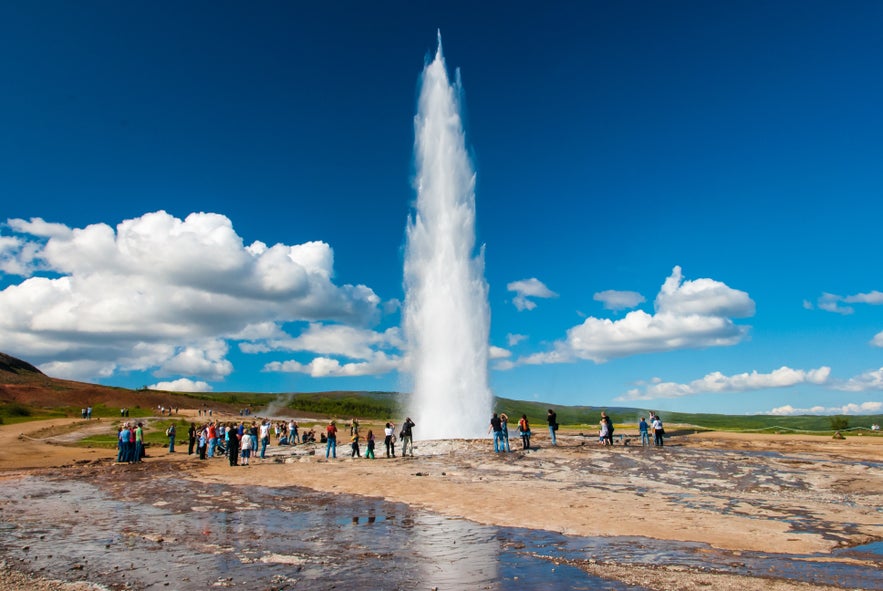 The etymology of the word “geyser” comes from Geysir in Haukadalur Valley, the first geyser ever described in writing. Although Geysir itself erupts less frequently today, its historical significance is immense: it gave a name to all erupting hot springs worldwide. Just a short walk away, Strokkur erupts every few minutes, sending boiling water high into the air and captivating everyone who stops to watch.
Icelandic language and culture have also left their mark on English. Words like saga, Viking, troll, and even elves originate from Icelandic stories and folklore, carrying pieces of the island’s imagination far beyond its shores.
8. First Country to Recognize Baltic Independence (1991)
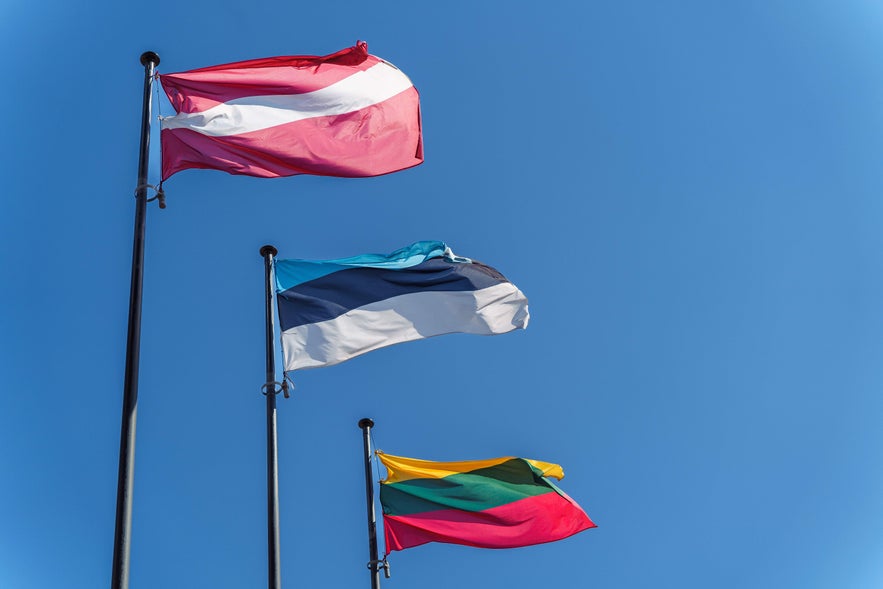 In 1991, Iceland became the first country to recognize the independence of the Baltic states as they emerged from the Soviet Union. This early acknowledgment from a small but principled nation carried enormous symbolic weight, reaffirming Iceland’s commitment to democracy and international solidarity at a pivotal moment in European history.
The gratitude from Estonia, Latvia, and Lithuania has endured. Each Baltic capital has honored Iceland in its own way: Tallinn named the square outside its Foreign Ministry Iceland Square, Vilnius created Iceland Street in its Old Town, and Riga inaugurated its own Iceland Square.
In return, Reykjavik named three streets after the Baltic countries, leaving quiet reminders of a friendship forged at a decisive moment.
7. First Country to License a National Genetic Database to a Private Company (1998)
Iceland became the first country to grant a private company exclusive rights to its national health and genetic records. The government approved the project, allowing scientists to link DNA samples from volunteers with detailed genealogical and medical records.
The Reykjavik-based company behind the initiative, deCODE Genetics, used this dataset to identify gene variants associated with a wide range of diseases, including heart attacks, diabetes, stroke, and Alzheimer's disease.
Through this initiative, researchers could study how genetic and environmental factors interact in a population where ancestry is exceptionally well documented.
The project demonstrates how careful design and collaboration can transform genetic information into medical insights, while also sparking important debates about privacy, consent, and the balance between public good and commercial research.
6. First Country to Implement Mandatory Equal-Pay Certification (2017)
 In 2017, Iceland became the first country in the world to enforce equal pay for equal work. This landmark step reflects the nation’s strong commitment to gender equality in Iceland, ensuring that men and women are fairly compensated for the same roles and responsibilities.
Building on this achievement, Iceland introduced Equal Pay Certification, a system that requires employers to formally demonstrate compliance with the law. The policy turns promises into measurable action and sets a global example for other nations.
5. First Country to Jail Senior Bankers After the 2008 Financial Crisis
Iceland became the first country to prosecute and imprison senior banking executives following the 2008 financial crash. The collapse of its major banks and the sharp fall of the Icelandic króna led to an unprecedented legal response, signaling that financial misconduct at the highest levels would face real consequences.
Iceland’s actions stood out worldwide and helped set a precedent for accountability. Other countries later pursued their own banking cases, but Iceland stood out for the scale of its prosecutions, accounting for more jailed bankers than any other nation, according to the Financial Times.
4. First Openly LGBTQ+ Head of Government in the World (2009)
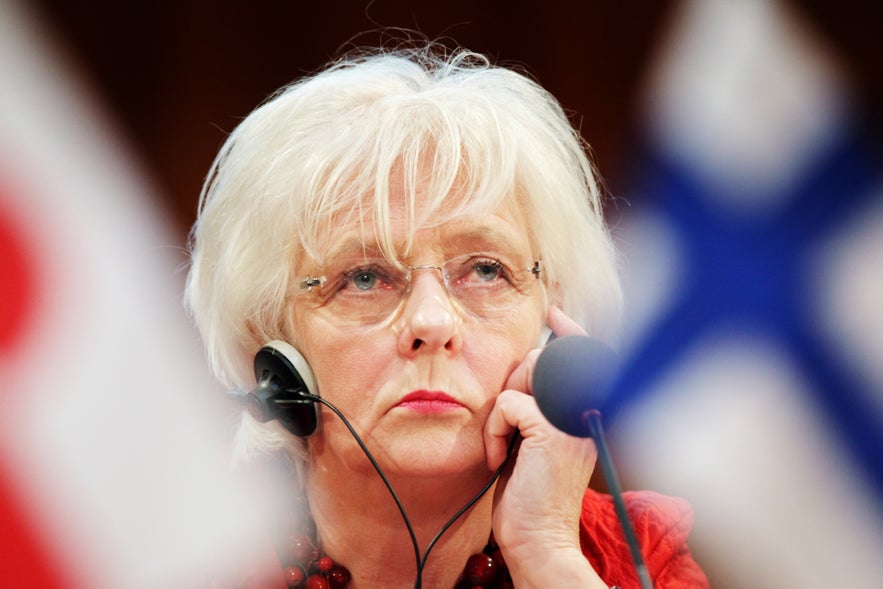 Photo from Wikimedia, Creative Commons, by Magnus Fröderberg. No edits made.
Jóhanna Sigurðardóttir became prime minister in 2009, making her the first openly LGBTQ+ head of government in the world.
She had already spent decades in public service, known for her focus on workers’ rights, social protections, and improving conditions for families. During her time as prime minister, she helped guide Iceland through the financial crisis, supported reforms to strengthen the welfare system, and oversaw important steps toward expanding legal rights for same-sex couples.
Her leadership is now part of the broader story of LGBTQ+ life in Iceland, which remains welcoming and highly visible throughout the year.
If you visit Iceland in August, you'll see this spirit at its brightest during the Reykjavik Pride Festival, when the city fills with parades, concerts, and community events that celebrate openness, equality, and the progress leaders like Jóhanna helped shape.
3. First Democratically Elected Female President in the World (1980)
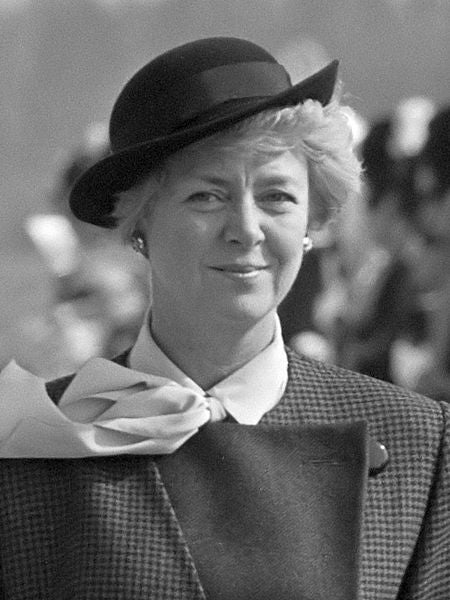 Photo from Wikimedia, Creative Commons, by Nationaal Archief. No edits made.
Vigdís Finnbogadóttir was elected President of Iceland in 1980 and served for sixteen years, becoming the first woman in the world to be democratically chosen as head of state.
She used her time in office to highlight education, culture, environmental awareness, and equal opportunities, drawing on her background in theater, teaching, and language studies. Her belief that language shapes identity guided much of her public work and later shaped her international role.
Today, Vigdís remains one of the most famous Icelanders in history. She continues to support projects connected to linguistic preservation, cultural understanding, and environmental stewardship, especially through the Vigdís International Centre at the University of Iceland and her ongoing involvement as a UNESCO Goodwill Ambassador for Languages. Many Icelanders still speak of her with a sense of lasting admiration.
2. First Known European to Reach North America (c. 1000 AD)
Around the year 1000, Leif Erikson sailed west from Greenland and reached the shores of present-day Newfoundland, almost five centuries before Christopher Columbus.
Archaeological work at L’Anse aux Meadows supports the stories told in the Icelandic sagas, offering real evidence of Norse buildings, iron working, and everyday tools left behind by the first Europeans known to set foot in North America.
The sagas also mention Bjarni Herjólfsson, a merchant who was blown off course and sighted land farther west years before Leif’s voyage. He never went ashore, but his account inspired others to investigate what he had seen. That spark of curiosity set the stage for Leif’s journey and the later settlement efforts described in the Saga of the Greenlanders and the Saga of Erik the Red.
These stories form an important part of the history passed down in Iceland, and their settings still feel close when exploring the country. Modern Viking history and saga tours draw from the same narrative tradition, giving travelers a way to connect the landscapes of Iceland with the voyages that carried its early explorers across the North Atlantic.
1. First National Legislative Assembly on Record (930 AD)
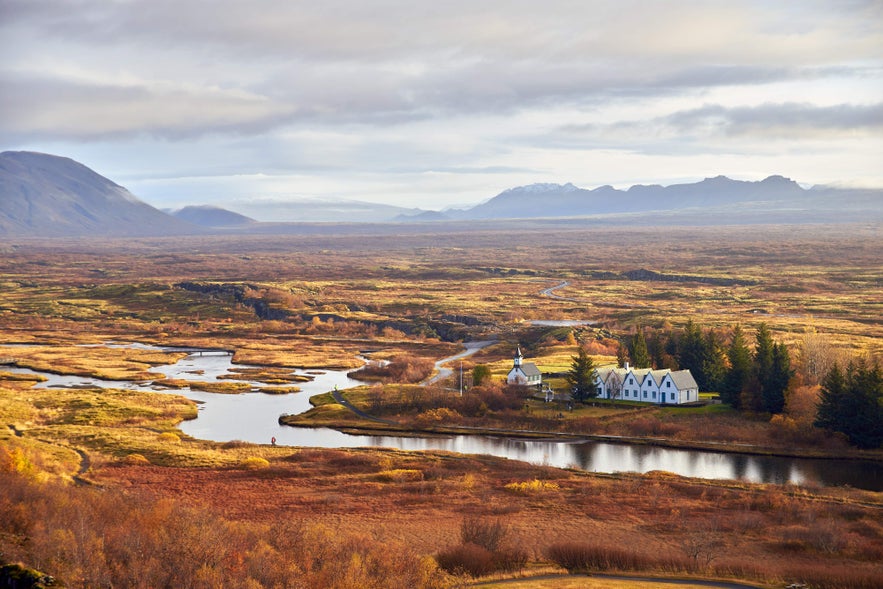 The Althingi was founded in 930 and is widely recognized as the oldest recorded national legislative assembly in the world.
Each summer, chieftains and their communities gathered at Thingvellir to discuss laws, settle disputes, and share news. The meetings took place in the open air, and the practice of coming together to talk through problems has shaped Icelandic community life ever since.
Today, Thingvellir is a must-see on the Golden Circle route, one of the easiest day trips from Reykjavik. Visitors can explore the park on foot on their own or join one of the free walking tours led by park rangers.
There are also plenty of Thingvellir tours that depart from Reykjavik, many of which combine a visit to the park with other popular Golden Circle activities.
Iceland’s World Firsts and One-of-a-Kind Experiences
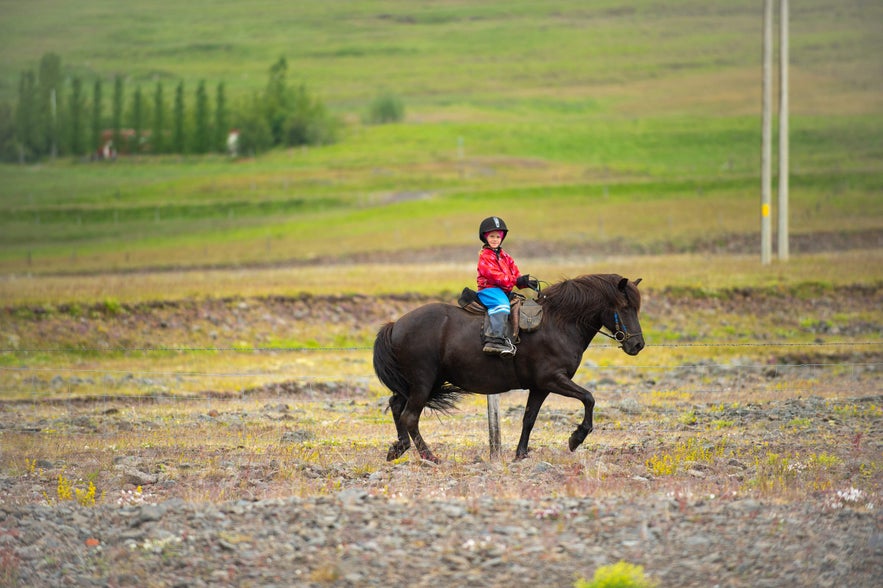 Iceland is famous for leading the world in history, equality, science, and conservation. From electing the first female president to creating innovative environmental projects, the country has achieved remarkable firsts.
Visiting Thingvellir National Park or the Beluga Whale Sanctuary shows how Iceland’s history and achievements come alive today. Travelers can experience adventures found nowhere else, from snorkeling in the crystal-clear waters of Silfra or riding the unique Icelandic horse with its fifth gait.
The story of Iceland demonstrates that bold ideas and determined action from a small nation can leave a lasting impact far beyond its borders.
Which of Iceland’s world-firsts surprised you the most? Share your thoughts below and let us know why these milestones captured your attention.

I was the Content Manager at Guide to Iceland from 2013 to 2018, and now run the creative studio Huldufugl while working as a freelance writer. I’m passionate about storytelling, Icelandic culture, and creating thoughtful experiences through words and visuals.