Icelandic magical staves were historic symbols once used for protection, vengeance, power, and guidance. Learn what they mean, where they come from, and where to see them on your trip to Iceland.
Icelandic magical staves, called galdrastafir, are symbols from Icelandic witchcraft and sorcery. Throughout Iceland's history, they appeared in spellbooks and were used for specific aims, such as protection, luck, guidance, and safe travel.
Today, runes and staves are one of the most intriguing cultural details travelers notice when visiting museums and exhibitions in Iceland.
If you have seen staves on souvenirs from Iceland, on jewelry in popular shops in Reykjavik, or as designs in the windows of tattoo parlors, this guide will help you understand what you are looking at.
You will learn how galdrastafir relate to Icelandic folklore, which symbols are the most famous, and which places are worth visiting if you want to see the staves in context.
Why You Can Trust Our Content
Guide to Iceland is the most trusted travel platform in Iceland, helping millions of visitors each year. All our content is written and reviewed by local experts who are deeply familiar with Iceland. You can count on us for accurate, up-to-date, and trustworthy travel advice.
The staves’ lasting influence makes them a fascinating highlight on some culture tours in Iceland, where guides connect the symbols to Iceland’s history, manuscripts, and folklore traditions.
Keep reading for a traveler-friendly overview of what Icelandic magical staves are, what the best-known symbols mean, and where to see them during your journey.
Quick Facts About Icelandic Magical Staves
Icelandic magical staves, known as galdrastafir, are symbols recorded in Icelandic folk magic sources and associated with protection, luck, love, guidance, and other aims.
-
They are closely linked to Icelandic folk magic traditions, which often combined symbols with spoken charms, prayers, or ritual steps.
-
Many staves we know today come from the Galdrabok, a well-known Icelandic grimoire containing spells, symbols, and instructions.
-
Each stave has a specific purpose. Some focus on protection and courage, while others were meant to curse or frighten.
-
Historical instructions often emphasize precision and secrecy, and some combine Christian language with older folkloric elements.
-
Today, staves appear in art, jewelry, and tattoos. Their modern use is usually symbolic, while historical use could be more complex and context-specific.
Purpose and Powers of the Galdrastafir Symbols
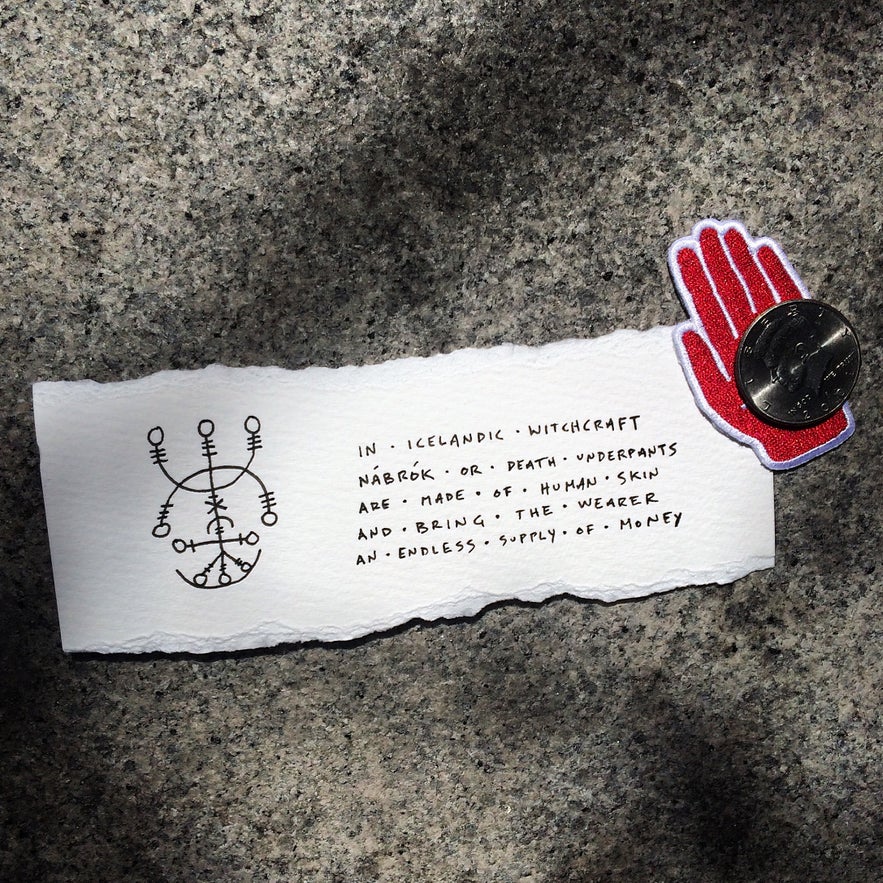
Icelandic magical staves were created with clear intentions. Some were used to bring luck or improve safety, while others aimed to cause fear or harm. Sources describe staves used for finding lost items, influencing the dramatic weather, protecting property, or supporting safe travel.
Their power was believed to come from both the design and the method of use. In written instructions, a stave might be drawn with special ink, carved into wood or bone, or carried on the body. Some include spoken elements, such as chants, prayers, or set phrases.
Secrecy appears again and again in folk accounts. In many traditions, a stave was thought to work best when hidden, and precision mattered. The lines had to be drawn correctly, and the instructions had to be followed carefully.
Notable Icelandic Magical Staves and Their Meanings
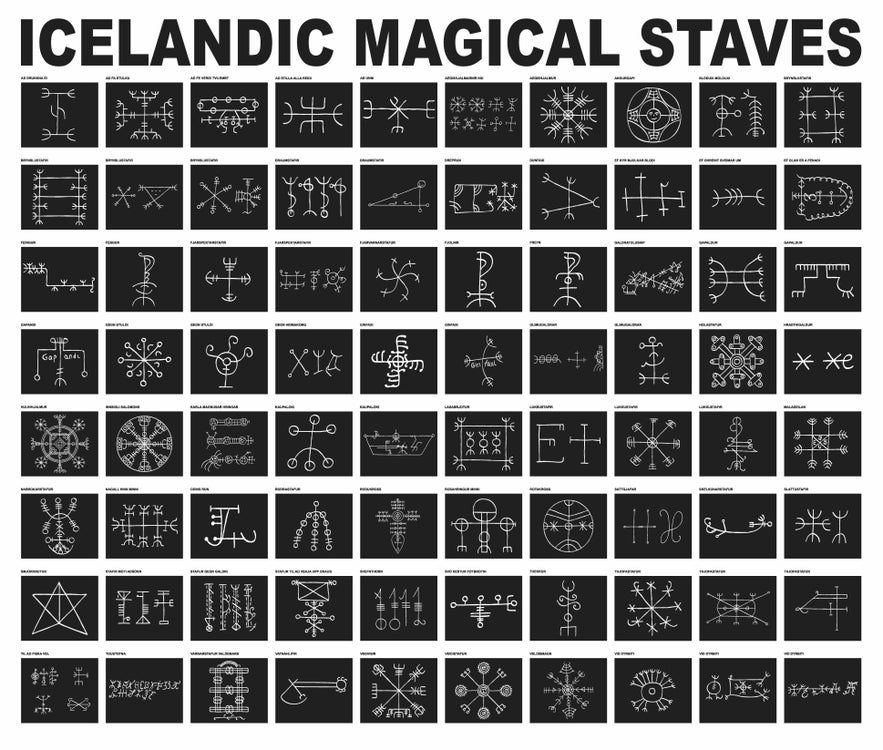
Many Icelandic magical staves have distinct shapes and stories that set them apart. A few symbols have become especially well-known and are commonly seen in modern Icelandic design and souvenirs. Below are some of the most recognizable examples.
Aegishjalmur (Helm of Awe)
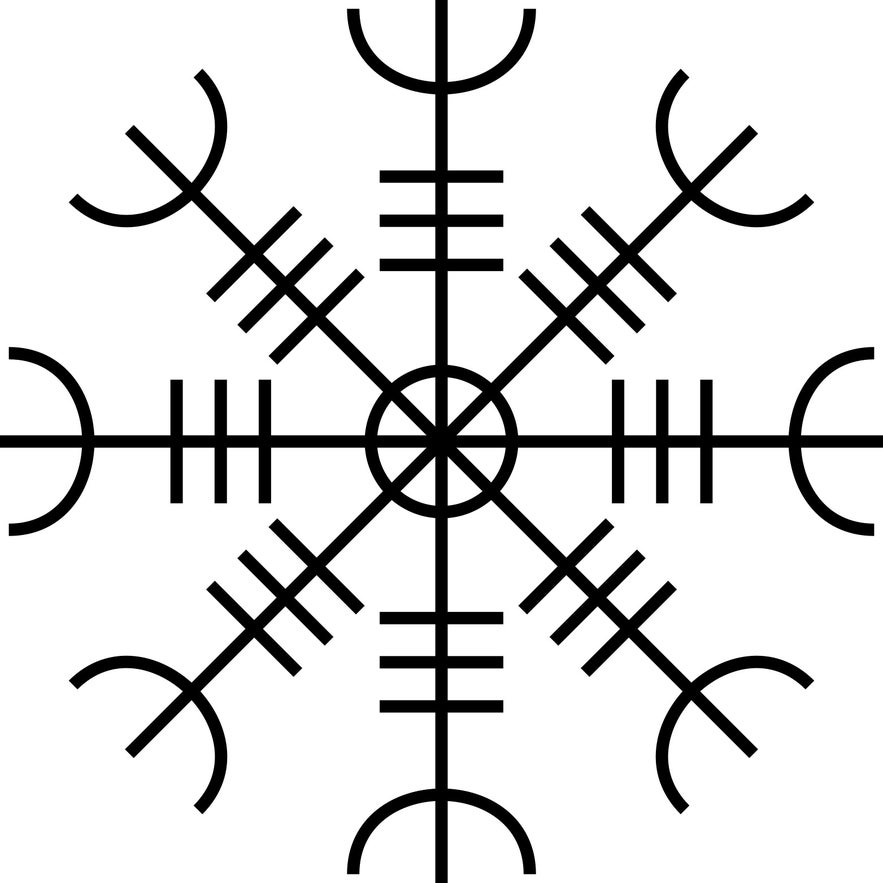
First mentioned in the Poetic Edda (Fafnismal) as a source of power, Aegishjalmur later appears as a symbol in folk magic manuscripts.
The symbol is associated with protection and courage, and it was said to instill fear in enemies. Traditional descriptions suggest it could be drawn between the eyes or on the forehead before conflict, as a form of spiritual protection.
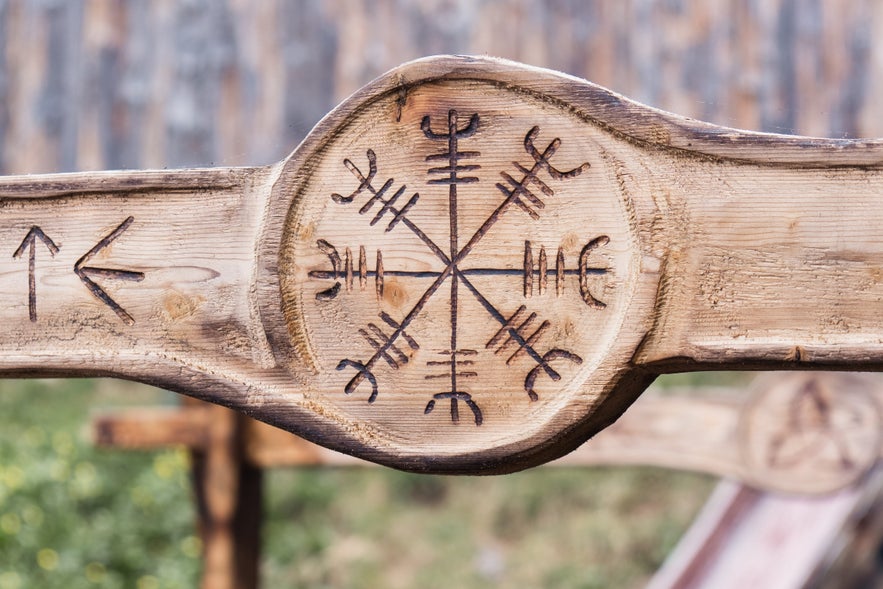
Vegvisir (Wayfinder)

Found in the Huld Manuscript (1860), Vegvisir is described as a symbol to help a person avoid losing their way, especially in storms or bad weather. It is often interpreted as a traveler’s protection symbol, which helps explain why it appears so frequently in modern Icelandic souvenirs.
Veldismagn
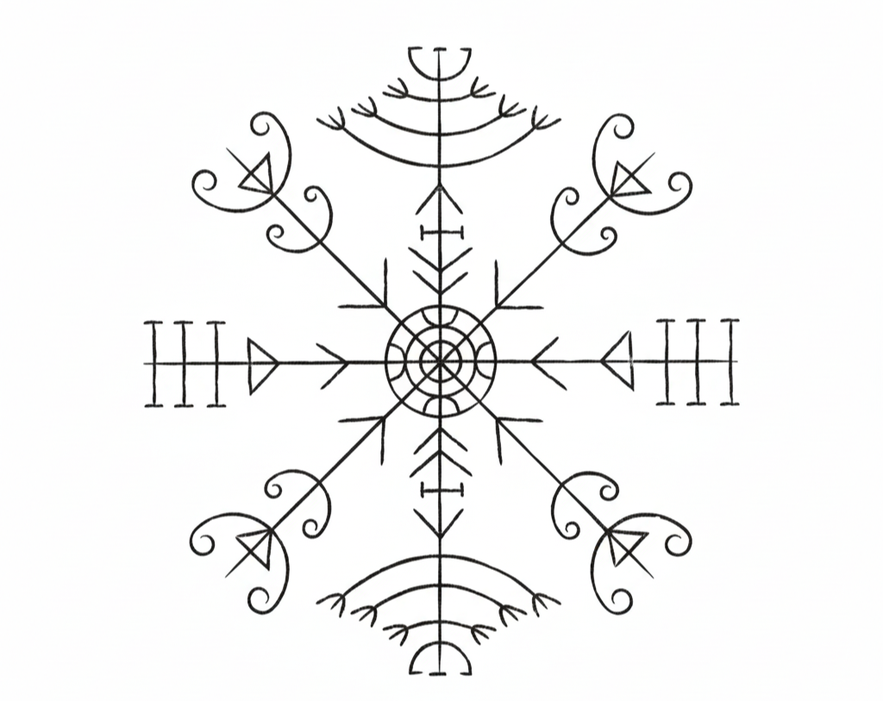
Image based on Galdrasýning magical staves.
Also recorded in the Huld Manuscript, this stave is associated with strength and protection during travel. It was carried to promote safety, resilience, and well-being.
Hulinhjalmur (Helm of Disguise or Invisibility)
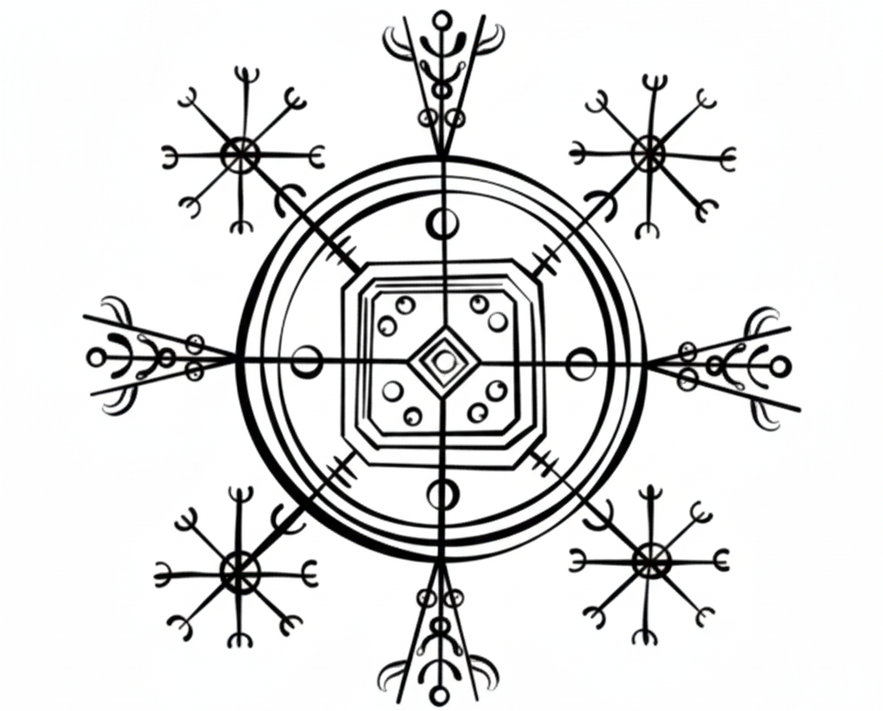
Image based on Galdrasýning magical staves.
Described in various Icelandic grimoires and folk traditions, Hulinhjalmur was believed to help the user remain unseen or unnoticed. Some written instructions describe complex methods and emphasize secrecy as part of their effect.
Lesser-Known Icelandic Magical Staves and Their Meanings
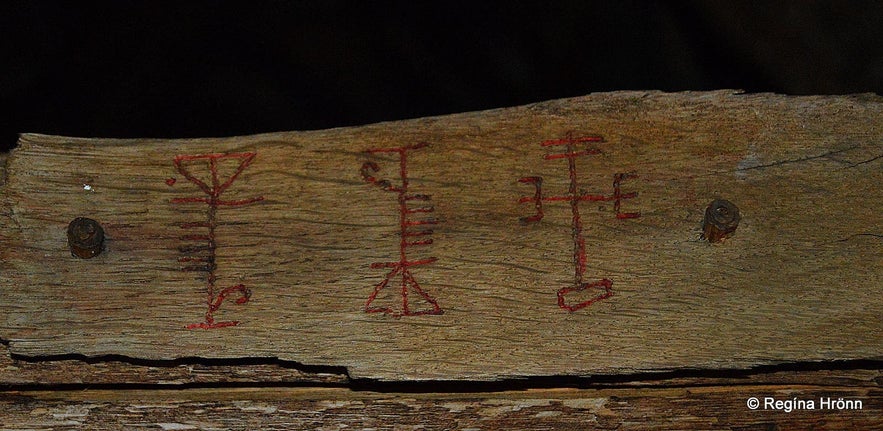 While staves like Aegishjalmur and Vegvisir are the most widely recognized today, many other Icelandic magical staves were created for practical, everyday concerns. These appear in historical grimoires and folk traditions and cover themes ranging from luck and love to protection and dreams.
Lukkustafir (Luck Staves)
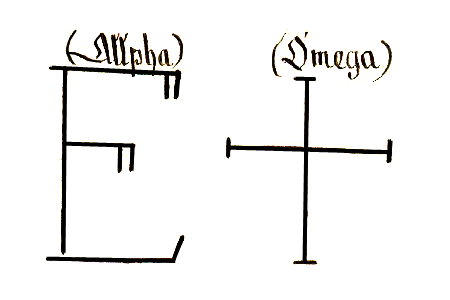
Photo from Wikimedia, Creative Commons, by Galdrastafir.sigil. No edits made.
Recorded in folk remedies and lesser-known grimoires, these staves were meant to protect property or expose thieves. Descriptions include carving them near doorways or placing them near entrances to discourage wrongdoing.
Draumstafir (Dream Staves)
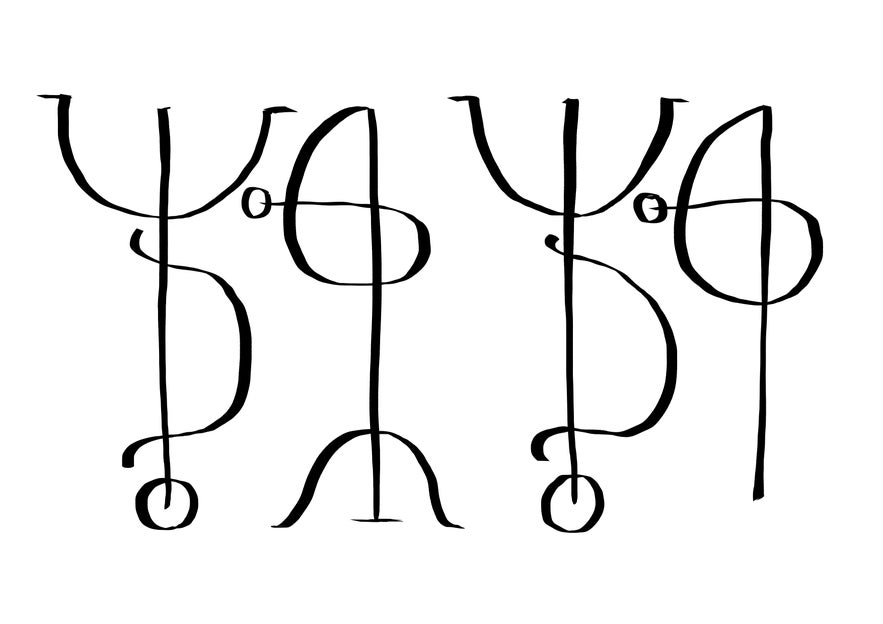
Photo from Wikimedia, Creative Commons, by Ræveðis. No edits made.
Used in dream-related rituals, these staves were drawn with fingers before sleep or inscribed on wood or parchment. Placing them under a pillow was thought to influence dreams or support calmer sleep.
The History Behind Iceland’s Magical Staves
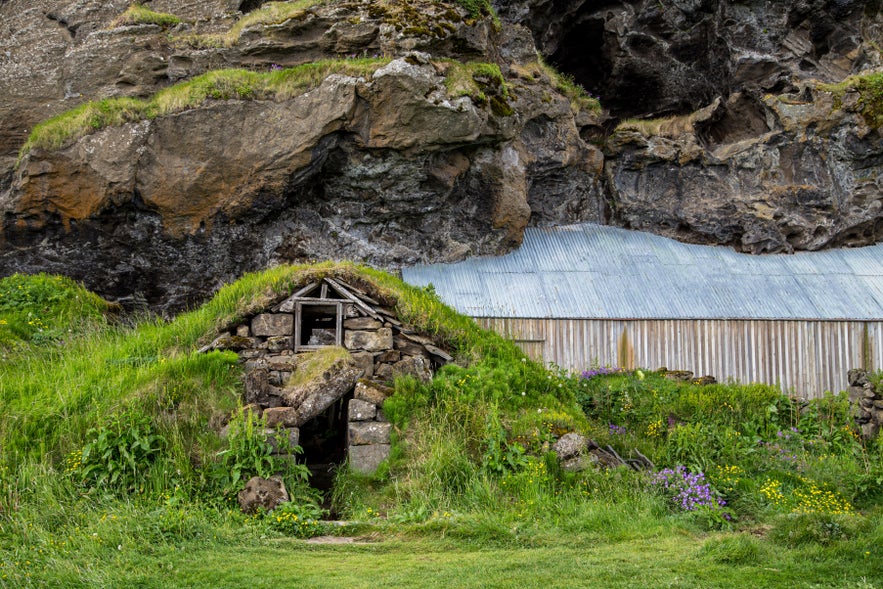 The roots of Icelandic magical staves connect to a period when folklore and religious practice shaped everyday life. Most surviving sources date from the early modern period (16th to 18th centuries) and reflect a mix of Christian elements, local tradition, and older influences. For the people who used them, magic was not entertainment. It was one way of trying to manage an unpredictable world.
Icelandic magical staves were most often recorded in grimoires, especially the Galdrabok. This manuscript, written by different hands over time, combines spells, runes, and staves used for healing, protection, and revenge. Some symbols resemble older runic forms, while others develop into a distinct visual language.
Accounts suggest staves were used by clergy, healers, and laypeople alike. In practice, they offered a sense of control in a landscape shaped by harsh weather, isolation, and uncertainty. That context helps explain why travelers still find them compelling today.
Key Manuscripts Preserving Icelandic Magical Staves
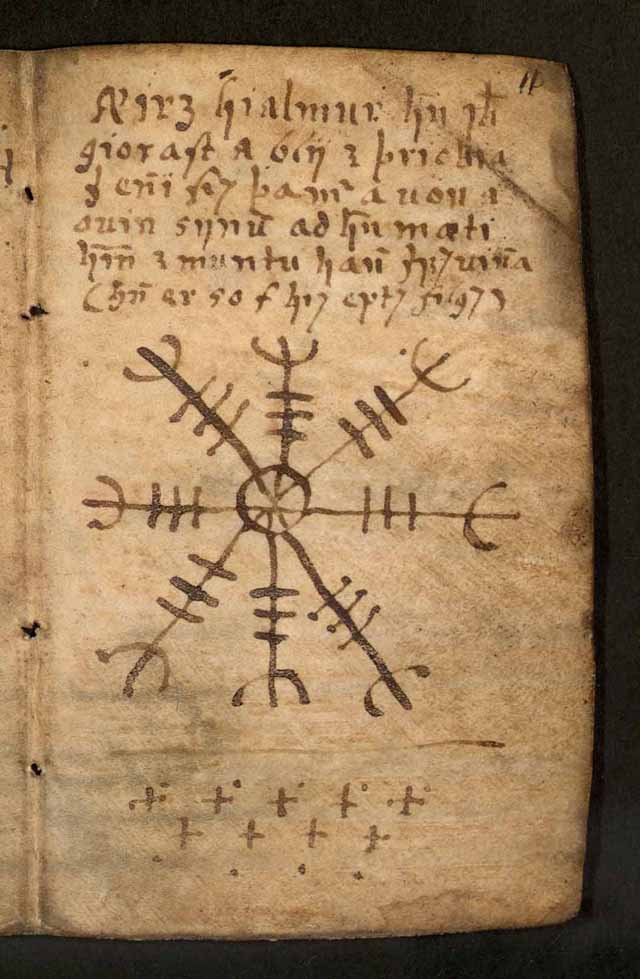
Much of what we know about Icelandic magical staves comes from handwritten grimoires. These manuscripts recorded spells, protective symbols, and ritual instructions. While many were anonymous or altered over time, a few have become especially important sources.
Galdrabok (Late 16th to mid-17th century)
Also known as Galdrakver, Galdrabok (Lbs 143 8vo) is a compact Icelandic grimoire compiled by four scribes, three Icelanders and one Dane. It contains 47 spells and sigils, blending Christian prayers, runic magic, Norse mythology, and folk remedies.
It is considered one of the most important sources on early Icelandic magical practices, offering insight into protective, healing, and cursing rituals.
Huld Manuscript (1860)
The Huld Manuscript (IB 383 4to), compiled by Geir Vigfusson, is a 19th-century collection featuring runic alphabets and approximately 30 magical staves, including Vegvisir and Veldismagn.
Though compiled later than early modern sources, it shows how these traditions were preserved and reinterpreted over time.
Galdrastafir/Book of Magic (1900 to 1949)
The Book of Magic (Lbs 4375 8vo) includes a wide range of magical staves and spells, documenting a blend of oral and written traditions in Icelandic folk magic.
All three manuscripts are preserved at the National and University Library of Iceland, where they continue to support research into Iceland’s manuscript culture.
How Icelandic Magical Staves Were Used
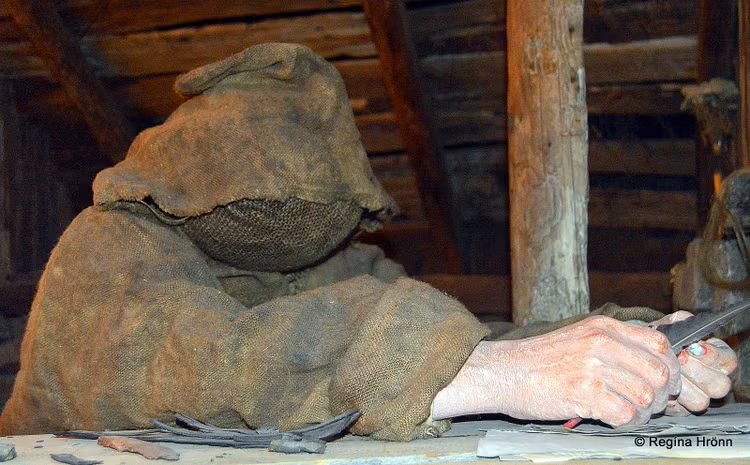
Using an Icelandic magical stave involved intention, preparation, and secrecy. Exact methods varied and are not always fully recorded, but these steps reflect patterns seen in surviving grimoires and folk accounts.
Step 1: Choose the Right Stave
The first step was selecting a stave that matched the goal, whether for protection, healing, guidance, or revenge. In written instructions, choosing the correct symbol was essential.
Step 2: Prepare the Materials
Materials could include parchment, wood, bone, or stone. Some instructions mention special tools, and ink might include soot, herbs, or blood, depending on the purpose.
Step 3: Draw the Stave Carefully
Precision mattered. The symbol was drawn or carved carefully, sometimes with timing or silence emphasized in the instructions. A mistake could render the stave ineffective or risky.
Step 4: Activate the Stave
Many staves included a spoken element. This might be a chant, a Christian prayer, a Norse invocation, or a phrase said during the drawing.
Step 5: Place or Carry the Stave
Once complete, the stave was placed where it would be most effective:
-
Hidden in clothing for personal protection
-
Etched on a doorway or object for defense
-
Placed near a target for cursing
In many accounts, secrecy was crucial, and the stave was meant to remain unseen.
Step 6: Observe and Respect the Outcome
After use, the stave was not always discarded. Some were kept as amulets, burned ceremonially, or buried, depending on the instruction and local tradition.
Where to Learn About Icelandic Magical Staves Today
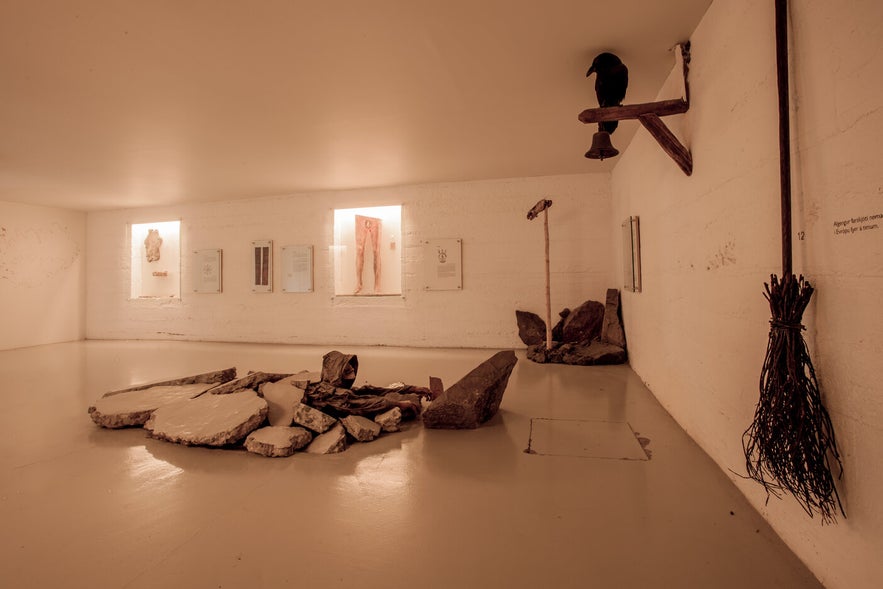
Icelandic magical staves are part of a real cultural tradition, and using them without context can lead to misunderstandings. These symbols were made with purpose. Some relate to healing and protection, while others were used for harm.
If you plan to wear or display a stave, learn what it represents and where it comes from. A little context goes a long way, and it shows respect for the tradition.
For travelers, museums and exhibitions are often the best way to understand the staves in their historical setting. Supporting local artists and cultural institutions also helps preserve their meaning, and these are some of the most worthwhile places to visit.
The Museum of Icelandic Sorcery and Witchcraft (Galdrasafnid)
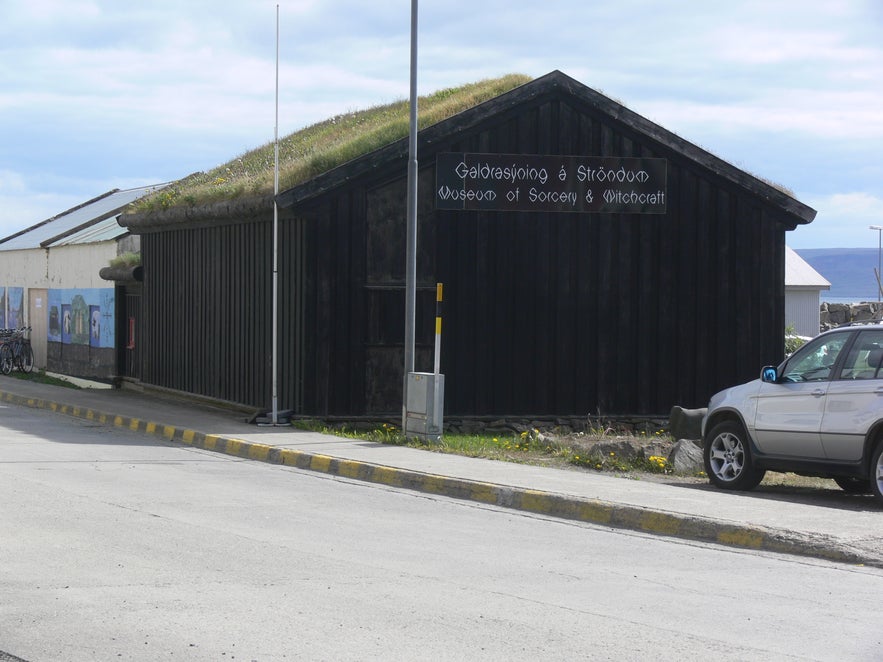
Photo from Wikimedia, Creative Commons, by Christian Bickel fingalo. No edits made.
The Museum of Icelandic Sorcery and Witchcraft in Holmavik in the Westfjords is Iceland’s best-known site dedicated to magical history. It features historical texts, reconstructed staves from grimoires like Galdrabok, and exhibits on 17th-century sorcery.
Address: Hofdagata 8-10, Holmavik
Tip: If you are road-tripping in the Westfjords, this museum makes a memorable cultural stop and adds context to the region’s folklore.
The Sorcerer’s Cottage
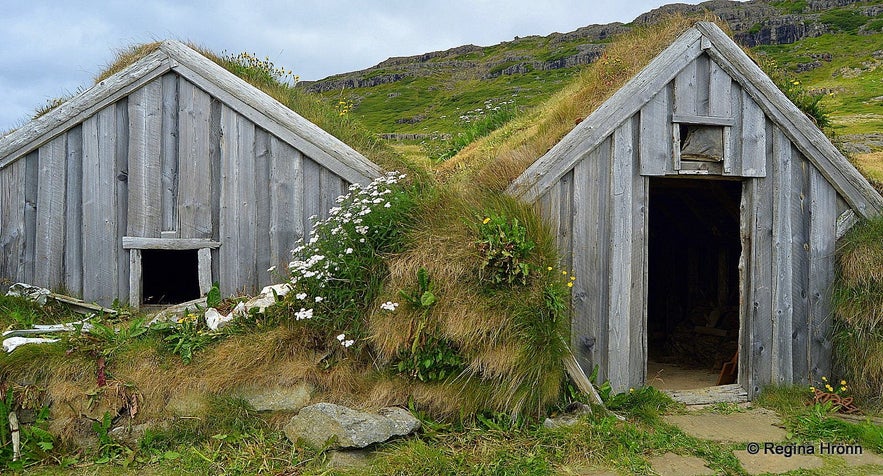 The Sorcerer's Cottage is located in Bjarnarfjordur in the Westfjords. It is an annex connected to the Museum of Icelandic Sorcery and Witchcraft and recreates rural life, including folk magic traditions.
It features a replica turf house where magical staves are carved into interior walls, giving a tangible sense of how symbols could be used in everyday settings.
Note: It may be closed at times due to maintenance or repairs, so it is best to check access before visiting.
The Strandagaldur Sorcery Walk
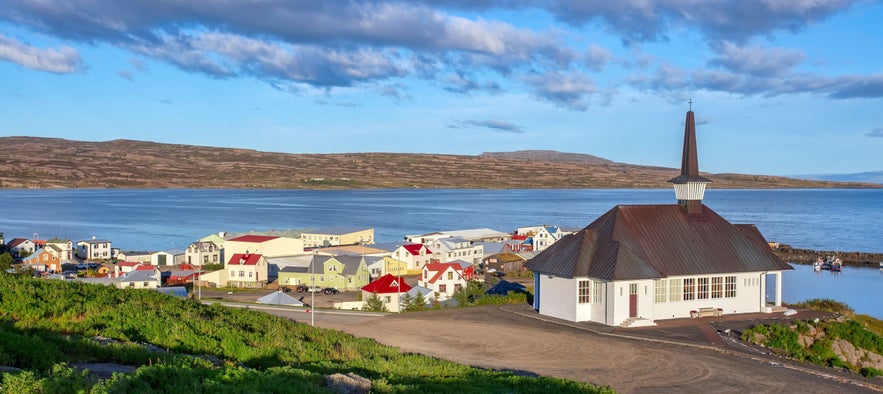 The Strandagaldur Sorcery Walk is an outdoor trail near Holmavik featuring sculptures and carved symbols inspired by Icelandic magical staves and folklore. It is free to access and open year-round, making it an easy add-on if you are already visiting the museum.
Even a short walk gives a strong sense of place, especially in the misty weather common to the Westfjords.
The National Museum of Iceland
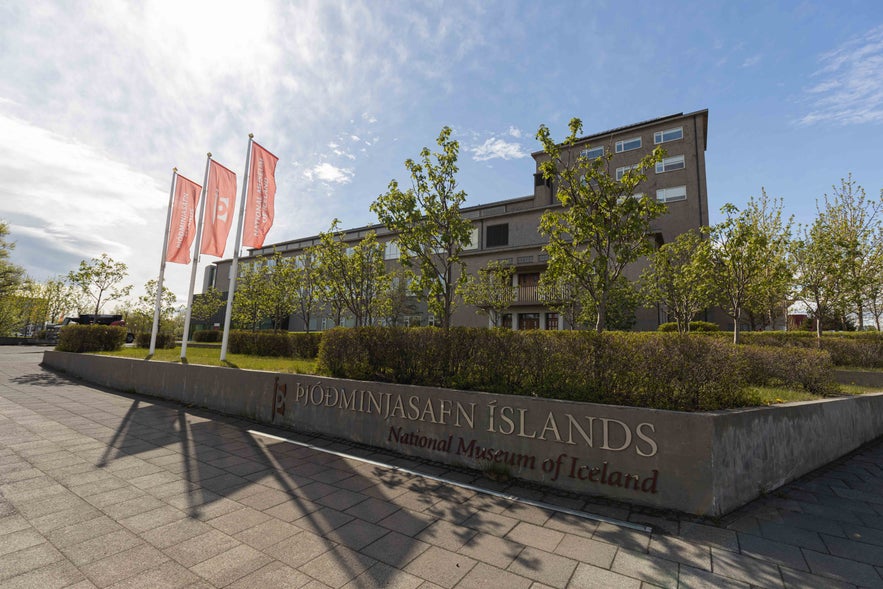
The National Museum of Iceland does not focus exclusively on sorcery, but it often includes medieval manuscripts, symbolic artifacts, and religious history that help explain the world in which folk magic developed.
Map location: Sudurgata 41, 102 Reykjavik
World of Words
 Arni Magnusson Institute for Icelandic Studies houses many of Iceland’s most important manuscripts, including texts relevant to mythology, literature, and manuscript culture. They've recently opened a monumental exhibition, World in Words, which is an excellent choice for travelers who want to understand how knowledge, stories, and symbols were preserved.
Address: University of Iceland campus in the Edda Building (Arngrimsgata 5, 101 Reykjavik)
- See also: The Best Museums in Iceland
Step Into the World of Icelandic Magical Staves
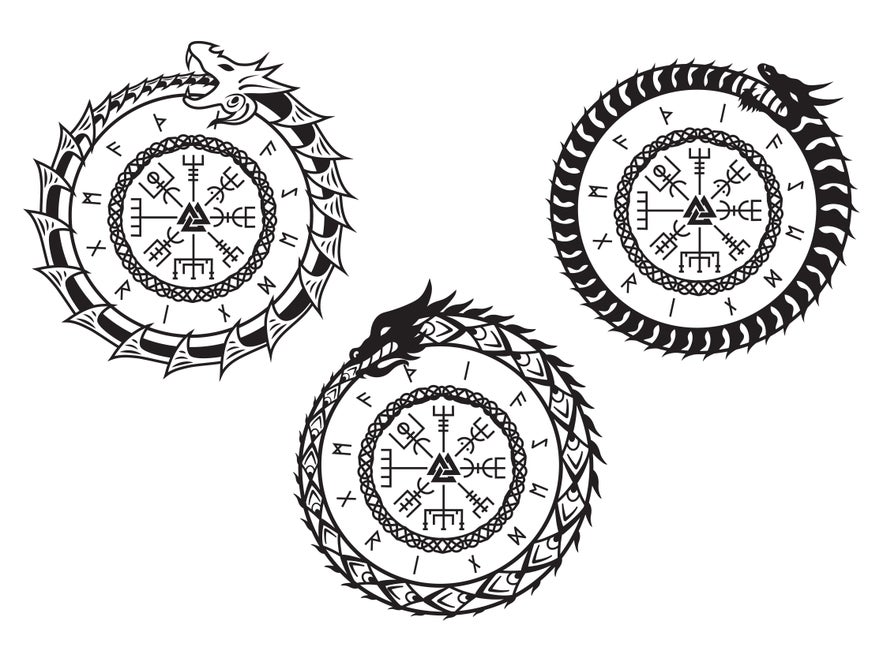
Icelandic magical staves offer more than striking designs. They reflect a worldview shaped by nature, belief, and survival, and they provide a memorable window into Icelandic folklore and manuscript culture.
For travelers, the best way to understand galdrastafir is to see them in context. Visit museums and exhibitions, read the stories behind the symbols, and consider supporting local artists who treat the staves as cultural heritage rather than trend.
Whether you encounter a stave on a museum wall in Holmavik or on a pendant in Reykjavik, learning its background turns a simple symbol into a richer travel experience.
冰岛魔法叫什么?
为什么叫“符杖”?
这些符杖用来做什么?
符杖是如何起作用的?
魔法符杖如何使用并“激活”?
魔法符杖算是一种符文魔法吗?
魔法符杖属于北欧神话的一部分吗?
有哪些历史来源?
符杖有不同类型吗?
今天我还能佩戴或使用这些魔法符杖吗?
魔法符杖在维京时代就被使用了吗?
Which Icelandic magical stave resonates most with you? Whether you are drawn to their history, mystery, or design, these symbols continue to spark curiosity around the world. Tell us your thoughts in the comments. Have you seen or worn one of these staves yourself?

I was born on the west side of Reykjavík and grew up downtown, so Iceland has been my back yard for most of my life. I'm a father of two, I've traveled on five continents, and I still haven't found a country that holds my attention the way this one does.
That's why I co-founded Guide to Iceland. We connect travelers directly with Icelandic operators, guides and hosts, so the advice and the services both come from people who actually live here.
I write about the practical side of a trip: what eating out in Reykjavík really costs, whether to pick Sky Lagoon or Hvammsvík, where to stop for food along the Ring Road, and which regions give you the best odds of clear skies for the northern lights. If you're planning a trip and something doesn't add up, message me.