

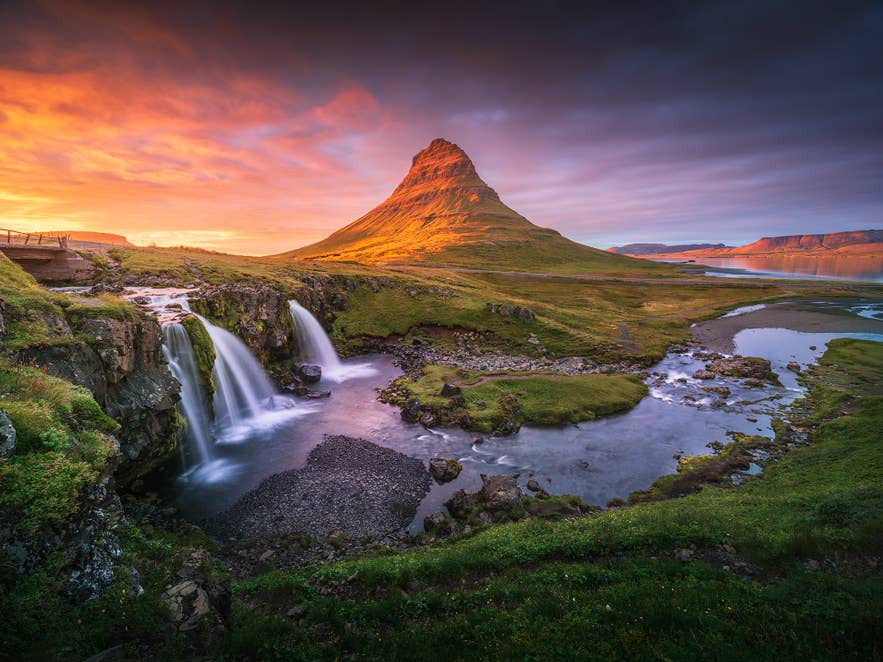
Discover the 20 best things to do in West Iceland, from kayaking under Kirkjufell and hiking to Glymur Waterfall to soaking in tidal hot springs and testing Viking lifting stones. This guide covers the top attractions in West Iceland with practical tips to help you plan a trip that goes well beyond a day trip from Reykjavik.
West Iceland, also known as Vesturland in Icelandic, is a diverse region that combines dramatic landscapes with important historical landmarks. For those renting a car in Iceland, it’s easy to reach with a day trip from Reykjavik. There are also many guided day tours of the region available.
Why You Can Trust Our Content
Guide to Iceland is the most trusted travel platform in Iceland, helping millions of visitors each year. All our content is written and reviewed by local experts who are deeply familiar with Iceland. You can count on us for accurate, up-to-date, and trustworthy travel advice.
We spoke to Kristján Guðmundsson, Managing Director of Visit West Iceland, the destination management organization for the region, about what makes the region special and why it’s an underrated part of Iceland to explore.
Because we are so close to Reykjavik, people sometimes think of the region as somewhere to visit quickly on the way to somewhere else. But there is much more here than you can experience in a single day.
The West Iceland region includes the beautiful Silver Circle travel route and the Snaefellsnes Peninsula, known for its diverse landscapes and connections to Iceland’s early history. From picturesque towns to geothermal areas and saga-related sites, West Iceland offers a wide range of experiences.
This guide covers 20 of the top things to do in West Iceland to help you make the most of your visit, whether you’re coming for a day or planning a longer stay. If the peninsula is your main focus, our guide to the top things to do on the Snaefellsnes Peninsula and the best restaurants in Snaefellsnes covers that stretch in more depth.
Key Takeaways
-
Diverse Natural Wonders: West Iceland is full of stunning natural sights like glaciers, waterfalls, lava fields, and volcanic landscapes.
-
Unique Experiences: There are plenty of things to do in West Iceland, from kayaking and hiking to caving, whale watching, and soaking in hot springs.
-
Cultural and Historical Sites: West Iceland has a rich history with Viking sites, saga locations, museums, and interesting cultural spots to explore.
-
Snaefellsnes Peninsula: This area is a must-see in Iceland for its dramatic mountains, glacier, and coastal views that show off the country’s beauty.
West Iceland: An Overview for Travelers
West Iceland can be divided into four key areas to explore: the Snaefellsnes Peninsula, the Silver Circle, Hvalfjordur, and Dalir. You would need at least two or three days to experience all the regions West Iceland has to offer.
Tip: Click on the icon in the upper left corner of the map to see which of the pinned attractions in West Iceland belong to which route.
If you're limited on time, Kristján suggests choosing a specific part of West Iceland to focus on rather than trying to cover the whole region:
Choose one of our four travel routes – Hvalfjordur Scenic Route, the Silver Circle, Dalir, or Snaefellsnes – give yourself time to explore, stop in the small communities and be willing to take a detour.
The list below covers the top 20 things to do across the whole of West Iceland so you can get to know the top experiences you'll want to prioritize when exploring the region.
20. Walk the Harbor and Climb Sugandisey in Stykkisholmur
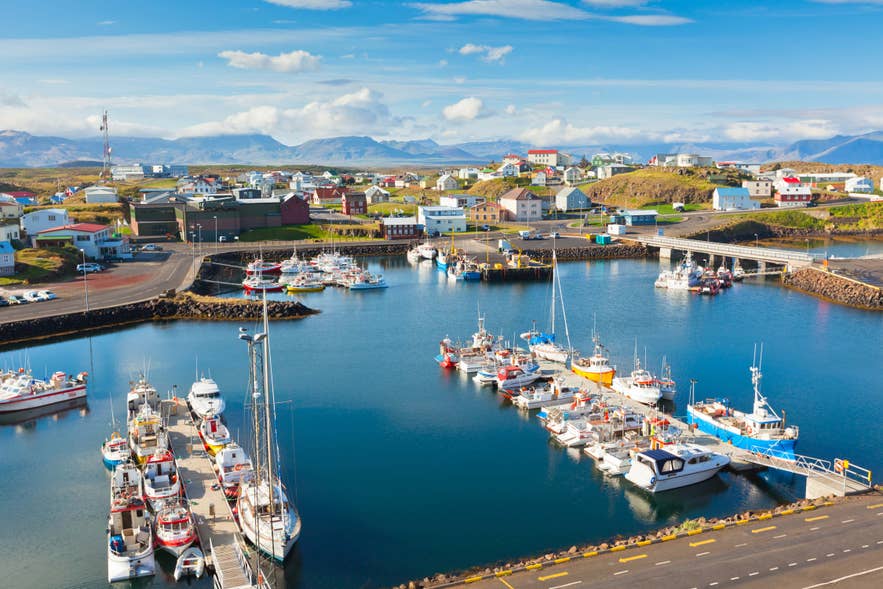
Stykkisholmur, which some consider Iceland’s most beautiful coastal village, is worth more than the quick photo stop most itineraries give it. Its quaint harbor, colorful houses, and scenic streets are best explored on foot, and a slow loop through town takes under an hour.
The Norwegian House, built in 1832 as the first house in Iceland with two full stories, is now the regional museum for Snaefellsnes. It’s worth an hour for the rotating exhibitions, the open-storage floor at the top, and the shop selling work by local makers.
Climb the stairs cut into Sugandisey Island beside the harbor for views over the town, the bay, and the islands scattered across it. The orange lighthouse at the top is a five-minute walk from the car park.
To taste local flavors, join a seafood boat tour in Breidafjordur Bay. The crew dredges scallops and sea urchins straight from the seabed and serves them raw on deck, and you’ll pass seabird colonies and hauled-out seals on the way.
Our full rundown of the top things to do in Stykkisholmur covers the village in more detail.
19. Step Inside a Viking Longhouse at Eiriksstadir
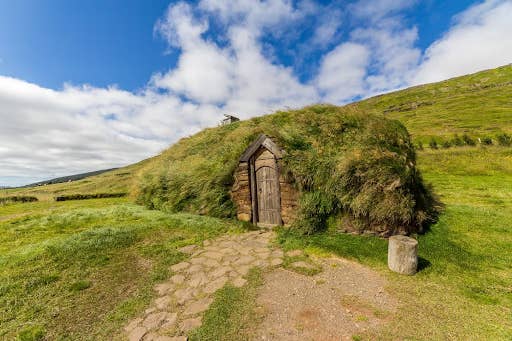
The Eiriksstadir Viking Longhouse in Haukadalur Valley is the birthplace of Leifur Eiríksson, the Norse explorer who reached North America around the year 1000. It’s the best stop in the region for anyone interested in the saga age.
The longhouse is a full-scale reconstruction built beside the original ruins using period methods and materials. Guides in traditional dress take you through daily Norse life inside the smoky, low-ceilinged hall, handing round replica tools, weapons, and textiles as they go. Regina’s account of the Viking areas in Iceland fills in more of the family history behind the site.
There’s a picnic area and hot drinks on site, though no food service, so bring lunch if you’re making a day of it.
Eiriksstadir sits off Route 60 in the Dalir district, roughly two hours from Reykjavik, and opens daily from 10:00 to 17:00 between March 15 and October 31. It slots neatly into an 8-day self-drive tour of West Iceland or a budget-friendly 13-day Ring Road trip.
18. Follow Snorri Sturluson’s Sagas Through Reykholt
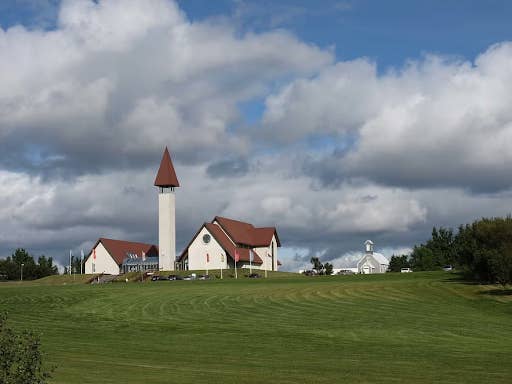
Reykholt was home to 13th-century chieftain and author Snorri Sturluson, who wrote the Prose Edda and Heimskringla here. The Prose Edda preserves much of what survives of Norse mythology, and Heimskringla is the great history of the kings of Norway. If you want to understand the Icelandic sagas and their locations, this is where to start.
The Snorrastofa Cultural Center is open year-round with exhibits on Snorri’s life, the sagas, and medieval Iceland, and you can either take a guided tour or work through it at your own pace. Outside sits Snorralaug, a stone-lined geothermal pool Snorri is believed to have bathed in, and the passage that once led from it toward his farmhouse.
The surrounding Borgarfjordur district has hiking trails that link waterfalls, lava fields, and hot springs if you want to stretch the visit into a full day.
Reykholt sits on the Silver Circle, one of West Iceland’s main travel routes. Kristján Guðmundsson explains what it pulls together:
One exciting development is the Silver Circle, which has recently been developed as a defined travel route through Borgarfjordur. It connects some of the region’s strongest experiences – Icelandic history and the sagas, geothermal energy, waterfalls, local communities and nature – into one route.
Four more stops in this guide sit on the same loop: Vidgelmir, Hraunfossar and Barnafoss, the Langjokull ice tunnels, and Krauma. Reykholt is about 1.5 hours from Reykjavik, which makes it a natural anchor for the whole circuit, whether you drive it in a day or stay overnight.
17. Explore Iceland’s Largest Lava Cave at Vidgelmir
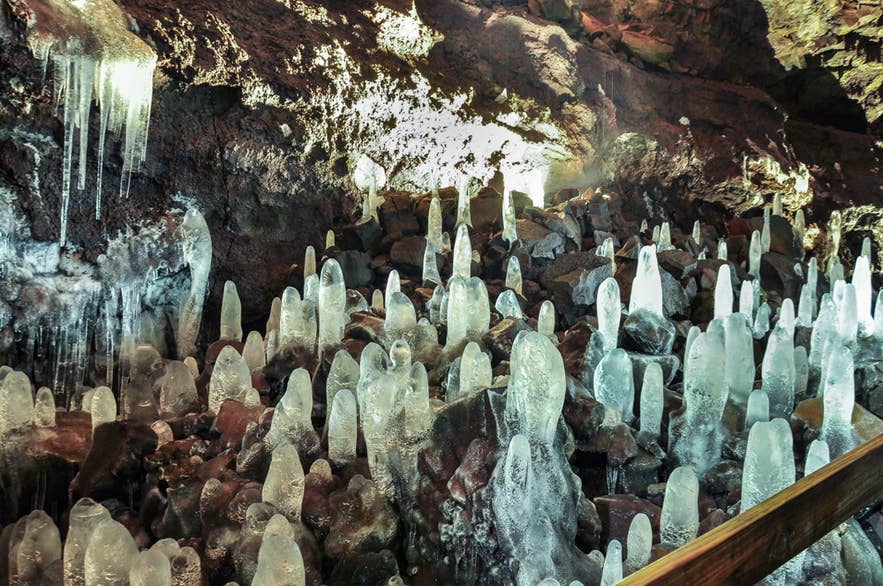
Vidgelmir is the largest lava cave in Iceland by volume, stretching more than 5,200 feet (1,585 meters) through the Hallmundarhraun lava field. Inside are rust-red and ochre rock formations, collapsed sections open to the sky, and ice sculptures that build up near the entrance in the colder months.
A guided tour of Vidgelmir follows raised walkways with lighting installed along the route, so it suits families and anyone who isn’t keen on scrambling. Guides explain how the tube formed during an eruption around 900 AD, shortly after Iceland was settled, and point out where early inhabitants sheltered inside it.
The cave sits in the Borgarfjordur region not far from Husafell, which makes it easy to pair with Hraunfossar on the same day or fold into a 10-day Iceland itinerary. If you want to compare it with the country’s other options first, see our guide to caves in Iceland.
16. Descend Two Spiral Staircases Into Vatnshellir Lava Cave
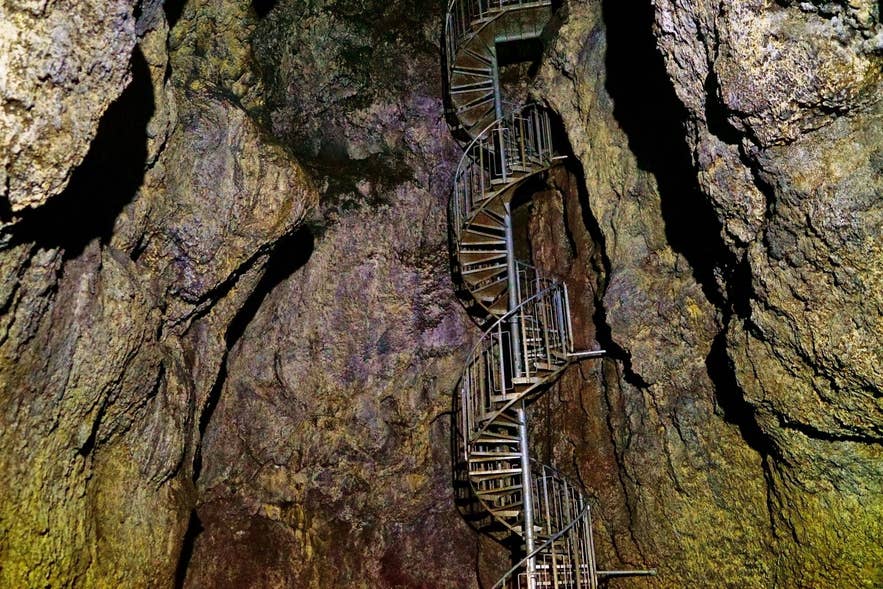
Getting into Vatnshellir Cave means taking two spiral staircases down into a lava tube that formed around 8,000 years ago. The first drops you into the upper chamber, and the second carries on to the cave floor, 114 feet (35 meters) below the surface. It’s one of the most memorable lava cave experiences in the country simply because of how you enter it.
The Vatnshellir Cave tour runs 656 feet (200 meters) through the tube. There’s no fixed lighting down there, so you explore by headlamp, picking out rope-like pahoehoe flows, shelf marks left by draining lava, and the reds and blacks of oxidized rock.
Access is by guided tour only, both to protect the cave and for safety. Wear sturdy shoes and warm layers, since it stays a few degrees above freezing year-round no matter the season outside. Our guide to the geology of Iceland explains how tubes like this one form.
15. Hike the Clifftop Path Above the Londrangar Sea Stacks
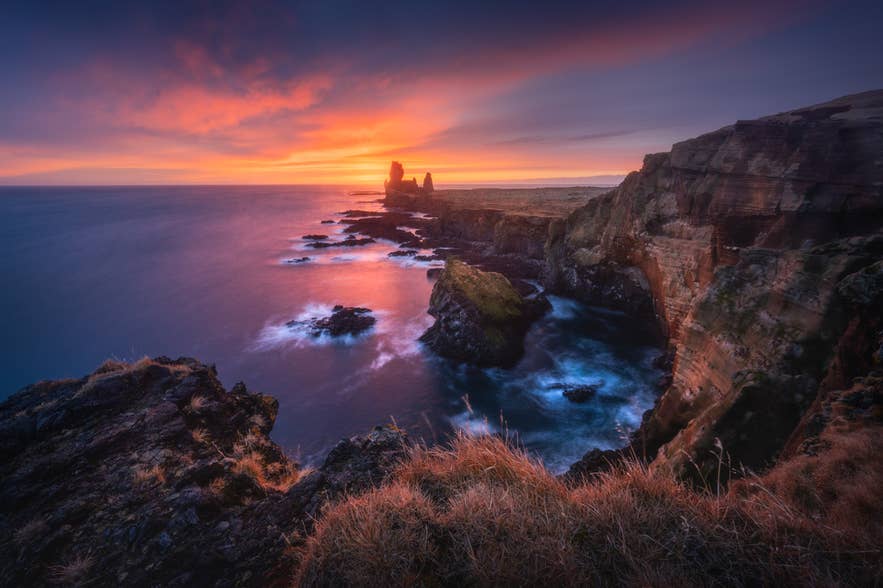
The Londrangar Cliffs are the eroded plugs of an old volcanic crater, the taller of the two rising 246 feet (75 meters) straight out of the surf. A short marked path runs from the Malarrif parking area along the clifftop to a viewing point above them, and a longer stretch continues toward Djupalonssandur if you want to keep walking.
The cliffs hold nesting seabirds through the summer, including fulmars, kittiwakes, and puffins, so bring binoculars between May and August. Icelandic folklore holds the stacks are an elf church, which is why the surrounding field was never mown.
Golden hour is the time to be here, when low light picks out the texture in the basalt. In winter the stacks are often rimed with snow, and on clear nights the spot works well for aurora watching. A small-group Snaefellsnes Peninsula tour from Reykjavik stops here if you’d rather not drive.
14. Spot Seals at Ytri Tunga Beach
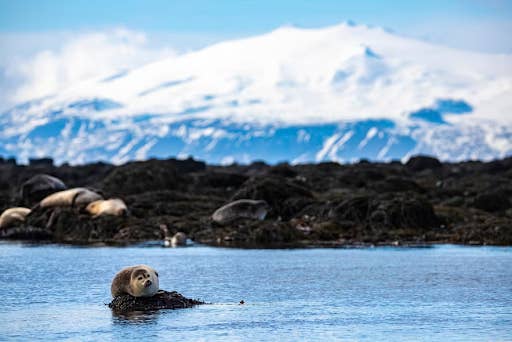
Ytri Tunga Beach on the south coast of the Snaefellsnes Peninsula is the most reliable place in West Iceland to see seals. Harbor and gray seals haul out on the rocks just offshore, and the golden sand here is unusual for Iceland in its own right.
Time your visit for low tide between May and July, when the colony is at its busiest and pups are around. Those summer pups will be harbor seals, since gray seals don’t pup until the autumn. Our guide to seal watching in Iceland covers what to look for and how to tell the two species apart.
Keep at least 164 feet (50 meters) between you and the animals. Getting closer pushes them off the rocks and burns the energy they need for foraging, and it’s the single most common mistake people make here.
Organized trips including the Snaefellsnes National Park day tour and this small-group tour of the Snaefellsnes Peninsula both stop at the beach.
13. Photograph Budakirkja Black Church Against the Lava Field
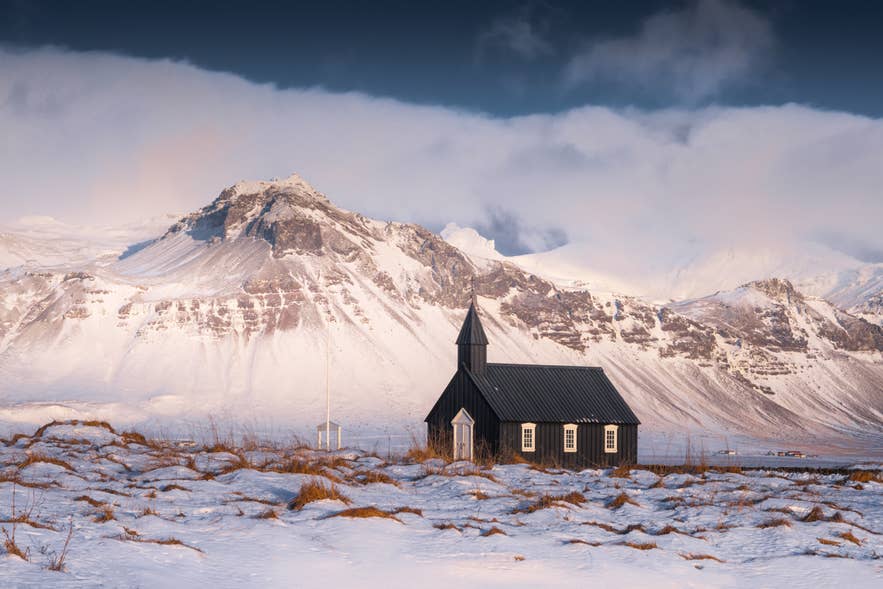
Budakirkja was first built in 1703 and lost in 1816, when a royal letter abolished the parish because the building had decayed. It was rebuilt in 1848 by Steinunn Sveinsdóttir, a local widow who paid for the work herself, and consecrated in 1851. Its tar-black timber against the moss-covered lava of Budahraun is why it’s one of the most photographed of the most beautiful churches in Iceland.
Shoot it at sunrise or sunset, when low light separates the black walls from the field behind. Steinunn is buried in the churchyard, so give it and its old iron gate a slow look. The surrounding Budahraun nature reserve has walking paths out toward the coast and its birdlife.
The church sits in the hamlet of Budir, reached on a short spur off Route 54. Renting a car and taking one of our self-drive tours in Iceland gives you the freedom to arrive at the right hour for light, though most guided tours of the Snaefellsnes Peninsula stop here too.
12. Ride an Icelandic Horse Across the Snaefellsnes Lava Fields
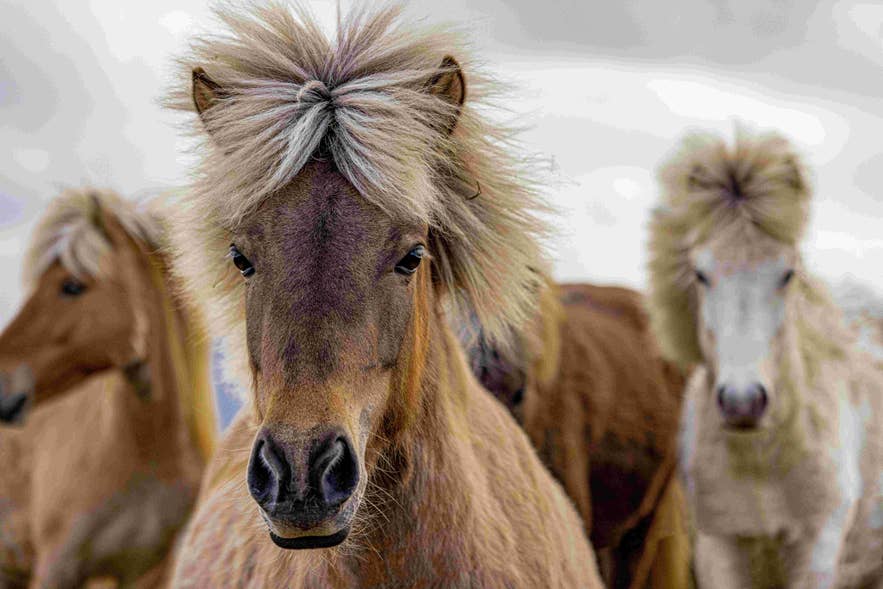
Horseback riding tours get you across terrain no car reaches. The Icelandic horse is a pure breed that has been isolated here for over a thousand years, and its fourth gait, the tölt, is smooth enough that you can ride for hours without the jolting of a trot.
They’re small, even-tempered, and fine for complete beginners, so no previous experience is needed for most tours in the region.
On Snaefellsnes, the trails run through lava fields and meadows and along the shore. A horse riding tour on Hraunlandarif Beach takes you along black sand with Snaefellsjokull behind you, and longer rides skirt the base of Snaefellsjokull Glacier itself.
Bring a windproof layer regardless of the forecast, and follow your guide’s instructions around the horses on the ground as well as in the saddle.
11. Test the Viking Lifting Stones on Djupalonssandur Beach
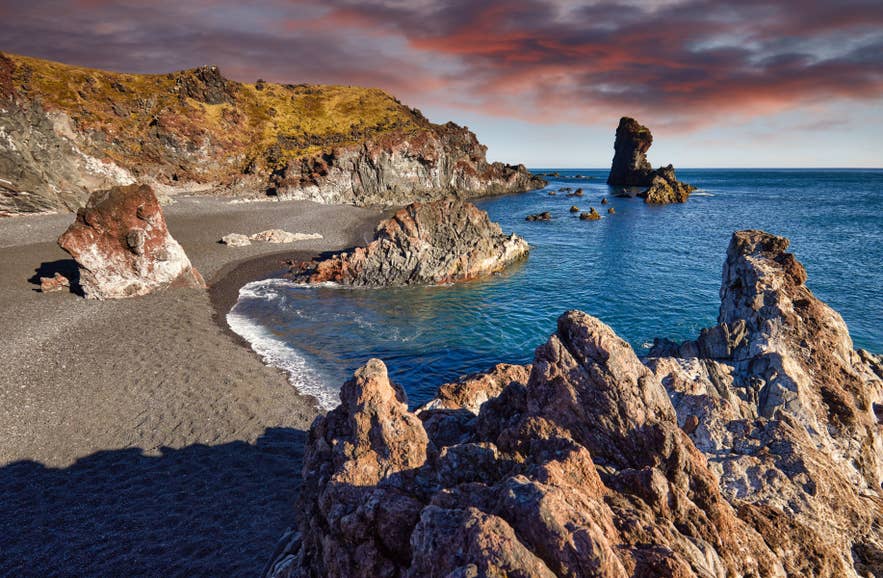
Djupalonssandur is a beach of smooth black pebbles below Snaefellsjokull, and the most hands-on stop on the peninsula. Four lifting stones sit at the top of the sand, once used to test whether a man was strong enough to crew a fishing boat: Amlodi at 51 pounds (23 kilograms), Halfdraettingur at 119 pounds (54 kilograms), Halfsterkur at 220 pounds (100 kilograms), and Fullsterkur at 340 pounds (154 kilograms). Getting Halfdraettingur up onto the ledge was the entrance exam, and people still try.
Scattered across the pebbles below are the rusted iron ribs of the Epine, a British trawler out of Grimsby wrecked here in 1948. The remains are deliberately left in place as a memorial, so look but don’t take anything.
A stepped path leads down through the lava to the beach past the Djupulon pools, and the neighboring cove of Dritvik was one of Iceland’s busiest fishing stations for centuries, with hundreds of men working from it each season.
The surf here is dangerous and the beach shelves steeply, so stay well back from the waterline and never turn your back on the sea.
10. Soak at Krauma, Fed by Europe’s Most Powerful Hot Spring
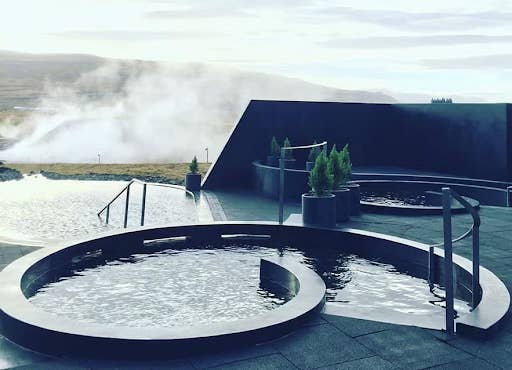
Krauma Spa is fed directly by Deildartunguhver, Europe’s most powerful hot spring, cooled with glacial meltwater from Rjukandi to bathing temperature. No chemicals are added, because the water is replaced continuously.
Walk the boardwalk at Deildartunguhver before or after your soak. It’s a couple of minutes from the parking area to the viewing platform, where water surges out of the ground at close to boiling point in clouds of steam. Rare hard ferns grow in the warm soil along the edges, and it’s an attraction in its own right, not just the plumbing for the spa next door.
The spa has five geothermal baths and a cold tub fed by the same glacial river, plus two saunas, a steam bath, and a quiet room with a fireplace. It’s the natural place to end a day on the Silver Circle, and one of the top geothermal spas in Iceland.
Book your Krauma Spa admission ticket well ahead in summer and over the holidays. Weekday mornings and late evenings are the quietest slots.
9. Warm Up in Hvammsvik Hot Springs
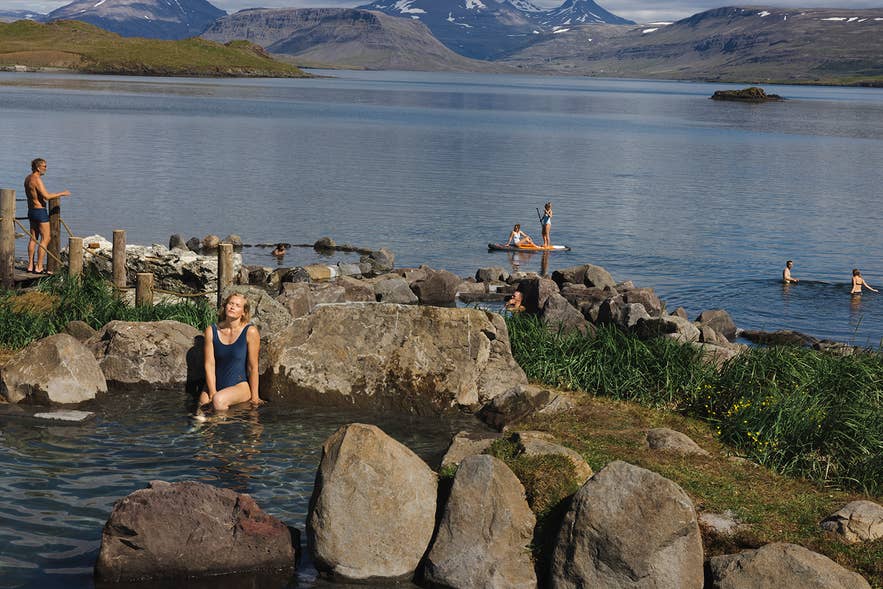
Hvammsvik Hot Springs sits on the shore of Hvalfjordur, 35 miles (56 kilometers) and about 45 minutes from Reykjavik. Eight natural pools are set into the rocks at the water’s edge, ranging from 95 to 108 degrees Fahrenheit (35 to 42 degrees Celsius), with the fjord immediately beyond them.
The pool closest to the sea is the one to look for. Its level and temperature shift with the tide, and at high water it disappears under the ocean completely, so which pools you can use depends on when you arrive. Check the tide before you go if that’s the experience you want.
On site there’s a Finnish sauna looking out over the fjord, a steam room, a seawater cold plunge, a swim-up bar in the main lounge pool, and the Stormur Bistro. Walking trails run from the estate along the shoreline and inland past rivers and waterfalls, so it’s worth arriving early and stretching your legs first.
Book admission to Hvammsvik Hot Springs ahead of time, or take the admission package with transfer from Reykjavik if you’d rather not drive. To get there yourself, follow Route 47 around the fjord rather than taking the Hvalfjordur tunnel.
Kristján Guðmundsson shares with us that the hot spring is not the only reason to take the longer route along the fjord.
Many visitors drive through the tunnel and completely bypass the fjord, but the scenic route around Hvalfjordur is beautiful and is only a short distance from Reykjavik. You have mountains, coastline, valleys, waterfalls, hiking and fascinating history, but it still feels peaceful and uncrowded compared with many of Iceland’s best-known routes.
8. Hike the Coastal Path From Arnarstapi to Hellnar
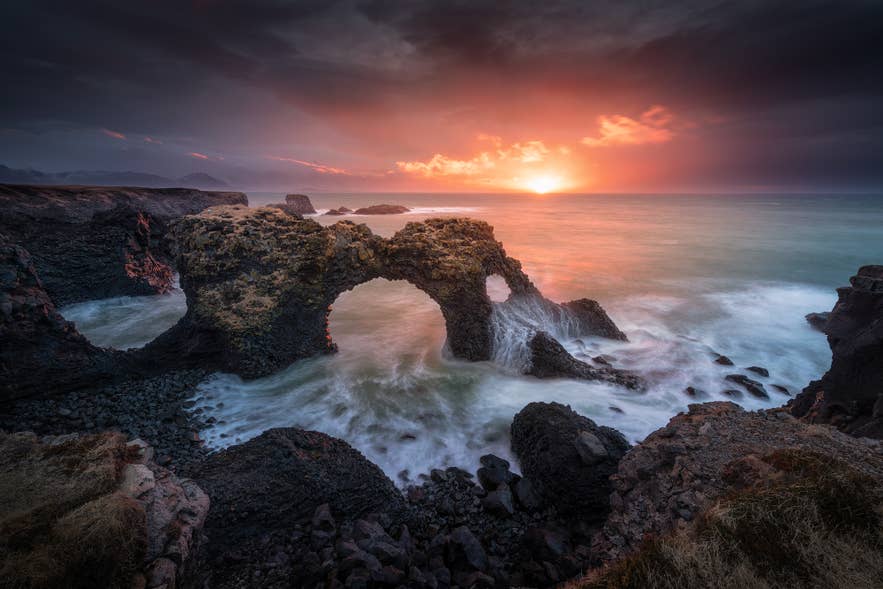 The walk between the fishing villages of Arnarstapi and Hellnar is 1.5 miles (2.5 kilometers) each way along a clifftop path through the Hellnar-Arnarstapi nature reserve, and it’s the best short hike on Snaefellsnes. Allow about an hour in each direction, or arrange a pickup at the far end to walk it one way.
The path passes ravines, blowholes, and columnar basalt, and its centerpiece is Gatklettur, a stone arch standing in the water that frames the sea perfectly for photographs. Arctic terns and kittiwakes nest in the cliffs in huge numbers through the summer. Give the terns a wide berth in nesting season, as they dive at anyone near their chicks.
At the Arnarstapi end, don’t miss the enormous stone cairn statue of Bardur Snaefellsas, the half-man half-troll guardian spirit of the peninsula from Bardar Saga.
Both villages have parking and a cafe, and the path is walkable year-round, though it’s exposed and can be icy in winter.
7. Hike to Glymur, Iceland’s Second-Tallest Waterfall
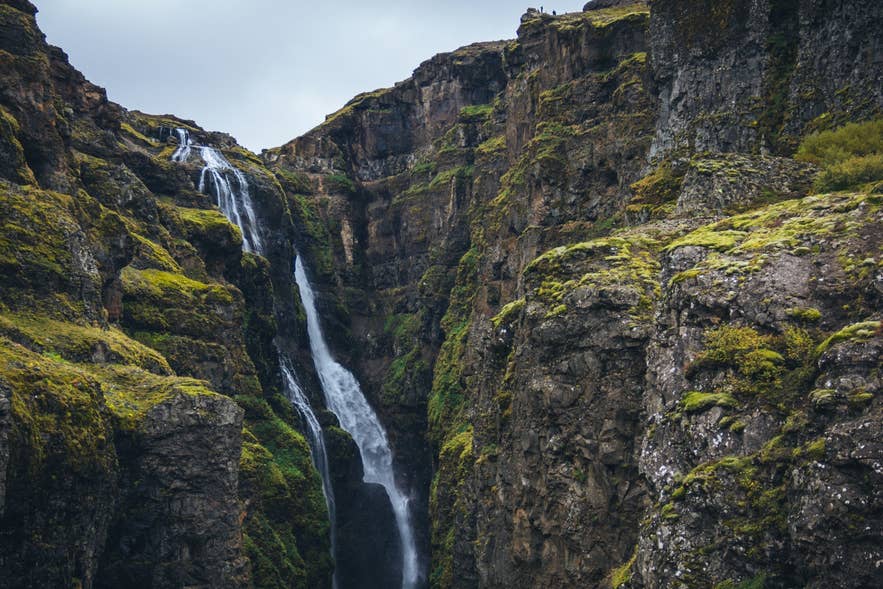
Glymur plunges 650 feet (198 meters) into a mossy canyon at the head of Hvalfjordur, and held the title of Iceland’s tallest waterfall until Morsarfoss was measured in 2011. It’s about an hour from Reykjavik and almost nobody on a standard Snaefellsnes itinerary bothers with it.
The trail is a loop of about 4.5 miles (7 kilometers) from the Botnsa parking area, taking three to four hours round trip. It’s a proper hike rather than a viewpoint stroll, with steep sections, loose ground, and exposed drops, so it isn’t for anyone uneasy with heights.
The loop crosses the river Botnsa on a log with a guide rope, which is only in place from roughly June to September when water levels are low. Outside those months the log is removed and you have to walk the same side out and back. Winter conditions add snow and ice to a trail that’s already demanding, so check Safetravel before you set off.
To get there, take Route 1 north from Reykjavik, then Route 47 around Hvalfjordur to the end of the fjord. Bring water and proper hiking boots, as there are no facilities at the trailhead. Afterward, drive twenty minutes back along the fjord and soak at Hvammsvik, which makes the best full day out of the capital in this guide.
6. Ride a Monster Truck Into Langjokull’s Ice Tunnels
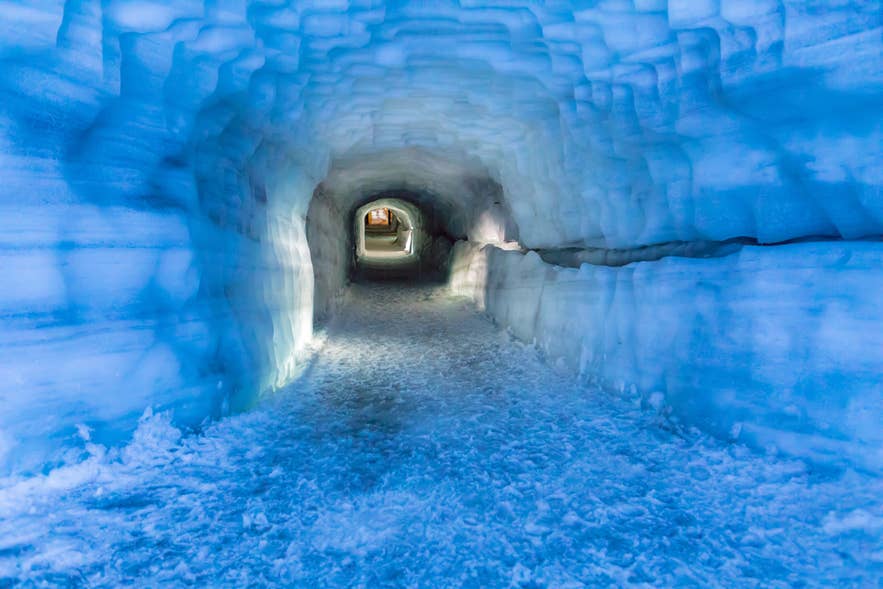
Langjokull is Iceland’s second-largest glacier, and the only one with a man-made tunnel running into it. The Into the Glacier ice tunnel tour takes you up onto the ice cap in a converted eight-wheeled monster truck, then into a network of passages carved 100 feet (30 meters) into the ice.
Inside, the walls shade from white to deep blue with depth, and you can see the annual layers of compressed snow and the ash bands left by past eruptions. Guides explain how the ice formed and how fast it’s now retreating.
The tunnels are open year-round, since they’re carved into the ice rather than left behind by meltwater like a natural ice cave. Only the meeting point changes with the season: Klaki Base Camp up on the glacier from June 1 to October 15, and the Husafell Center from October 16 to May 31. All the gear you need is included, but bring warm layers.
Several Langjokull tours pair the ice cap with Husafell or Hraunfossar, and the glacier is also one of the country’s main snowmobiling areas if you’d rather ride across the surface than walk under it.
5. Walk the Boardwalks at Hraunfossar and Barnafoss
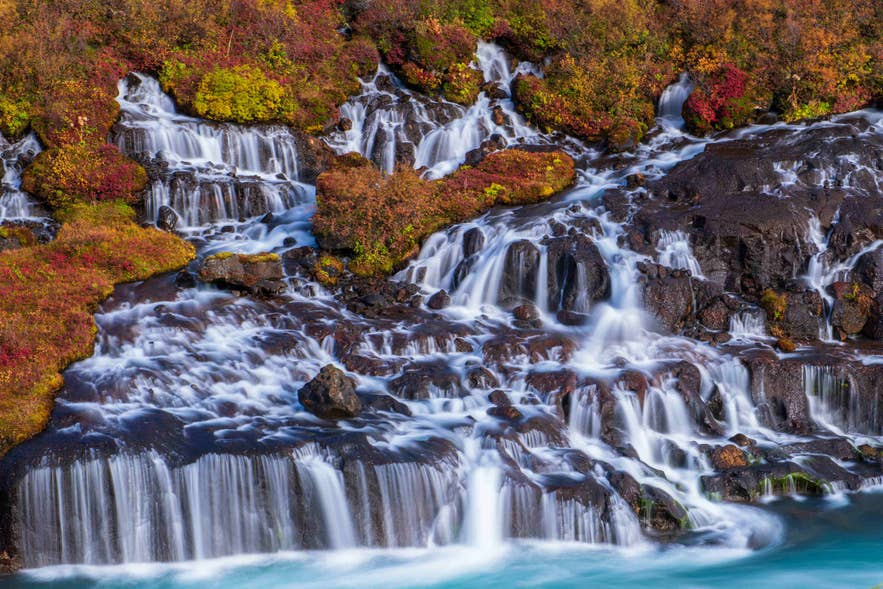
Hraunfossar and Barnafoss sit a few minutes’ walk apart near Husafell, linked by boardwalks and viewing platforms, and they look nothing like each other. Together they’re the highlight of most waterfall tours in Iceland that head west.
Hraunfossar isn’t one waterfall but hundreds of rivulets seeping out of the edge of the Hallmundarhraun Lava Field along nearly 3,000 feet (900 meters) of riverbank. The water filters through porous lava rather than dropping from a cliff, which is why it runs clear turquoise year-round.
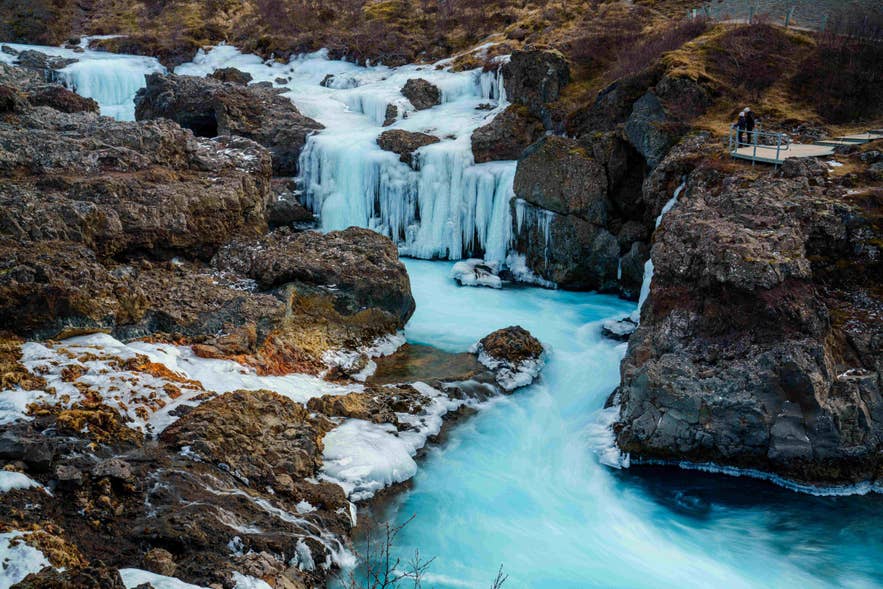
Barnafoss, a two-minute walk upstream, is the opposite: the river forced through a narrow lava channel in a violent rush. Its name means Children’s Falls, after a folktale in which two children fell from a natural stone arch here and their mother destroyed the arch in grief.
Interpretive signs along the trail cover both the geology and the folklore. The site is open year-round with a car park and toilets, though the boardwalks can ice up in winter.
4. Go Whale Watching From Olafsvik
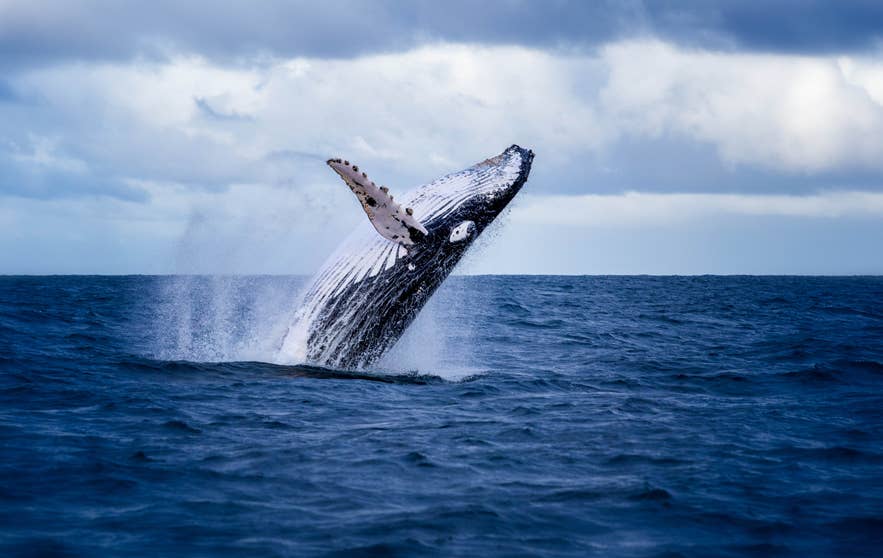
A whale-watching tour from Olafsvik heads out over the edge of the continental shelf, where the water drops away steeply close to shore. That geography is why sperm whales turn up here regularly, which is unusual for Iceland, alongside orcas, humpbacks, and minke whales.
Spring is the standout season. April and May bring the highest sperm whale and orca counts, and sightings continue through the summer.
Boats also pass dolphins, seabird colonies, and puffins on the way out, with Snaefellsjokull filling the skyline behind you. Our ultimate guide to whale watching in Iceland compares the country’s main departure points if you’re deciding where to sail from.
Dress warmer than you think you need to. It’s considerably colder offshore than in the harbor.
3. Chase the Northern Lights Over Snaefellsnes and Husafell
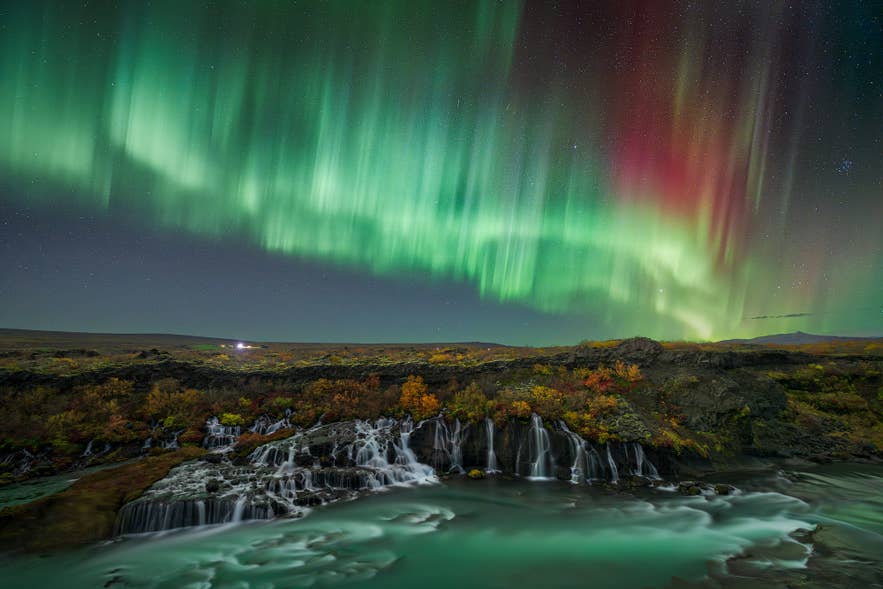
West Iceland is close enough to Reykjavik for a short drive and dark enough to get away from its light pollution, which is a rare combination. Northern lights tours run from late September to early April, when nights are long and skies are darkest.
The best spots in the region are the Snaefellsnes Peninsula, the woodland around Husafell, and the quiet coast near Borgarnes. Kirkjufell and Budakirkja both give you a foreground worth photographing rather than bare sky.
Check the aurora forecast from the Icelandic Meteorological Office for activity levels and cloud cover before committing to a night out, and read up on when and where to see the aurora in Iceland.
Many hotels in West Iceland, particularly in Husafell and across the Snaefellsnes region, run a wake-up service when the aurora appears, so you can sleep instead of standing in the cold. Our pick of the best northern lights hotels in Iceland includes several in the region.
Bring a tripod and read our tips on how to photograph the northern lights before you go, because handheld shots won’t work.
2. Hike, Snowcat, or ATV Around Snaefellsjokull Glacier
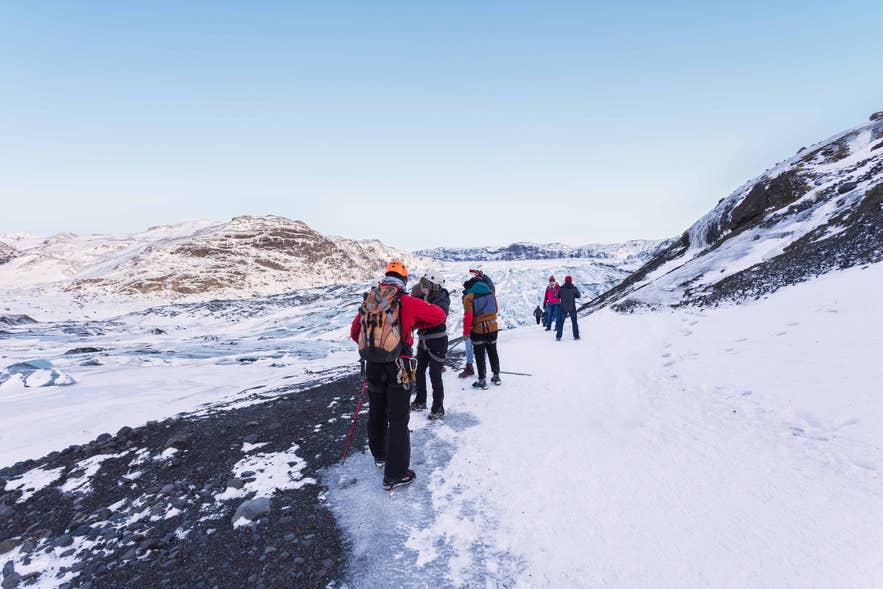
Snaefellsjokull is a glacier-capped volcano rising 4,744 feet (1,446 meters) at the tip of the peninsula, and there are four ways to experience it, starting with glacier tours. Jules Verne used it as the entrance to the Earth’s core in Journey to the Center of the Earth, and on clear days you can see its summit from Reykjavik, 75 miles (120 kilometers) across Faxafloi Bay.
A glacier hiking tour on Snaefellsjokull is the classic option, roped up with crampons for the climb to the summit craters. Our guide to glaciers in Iceland explains what a hike like this involves.
For less effort, a snowcat tour carries you up the upper slopes to the same views. An ATV tour from Hellnar takes the lava fields and coastal tracks around the base instead. And if you’d rather stay on foot at ground level, marked trails cross Snaefellsjokull National Park to Saxholl crater, whose staircase to the rim takes ten minutes and repays it with a panorama over the whole peninsula.
Whichever you choose, dress in layers with waterproof boots, gloves, and sunglasses. Glare off snow is fierce even on overcast days.
1. Kayak Under Kirkjufell and Shoot the Falls From Below
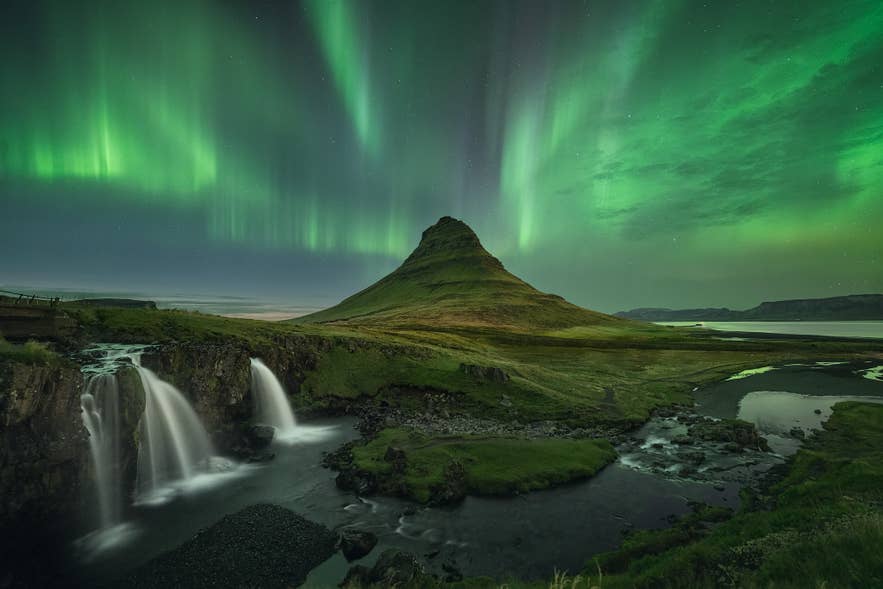
Kirkjufell is the most photographed of all the mountains in Iceland and one of the country’s best-known attractions, but almost everyone shoots it from the same spot and drives on. There’s more to do here than that.
Walk the short path from the car park down past Kirkjufellsfoss and take the lower viewpoint rather than the upper one. From below, the falls sit in the frame beneath the mountain instead of off to one side, and that’s the composition the postcards use.
Sunrise and sunset give you the light for it, while midday flattens the mountain out. Our guide to photography in Iceland covers the settings worth dialing in first.
For a view no one else in the car park is getting, a guided kayaking tour under Kirkjufell paddles out from nearby Grundarfjordur along the shoreline below the mountain, usually with seals and seabirds for company. It’s a summer activity and suits beginners.
Kirkjufell is one of the most stunning viewpoints in Iceland, and in winter, the snow-covered cone under the aurora is as good as it gets. Two cautions: don’t attempt to climb the mountain without a guide, as people have died on it, and be ready for wind strong enough to knock you off balance near the falls.
Bonus: Hidden Gems in West Iceland
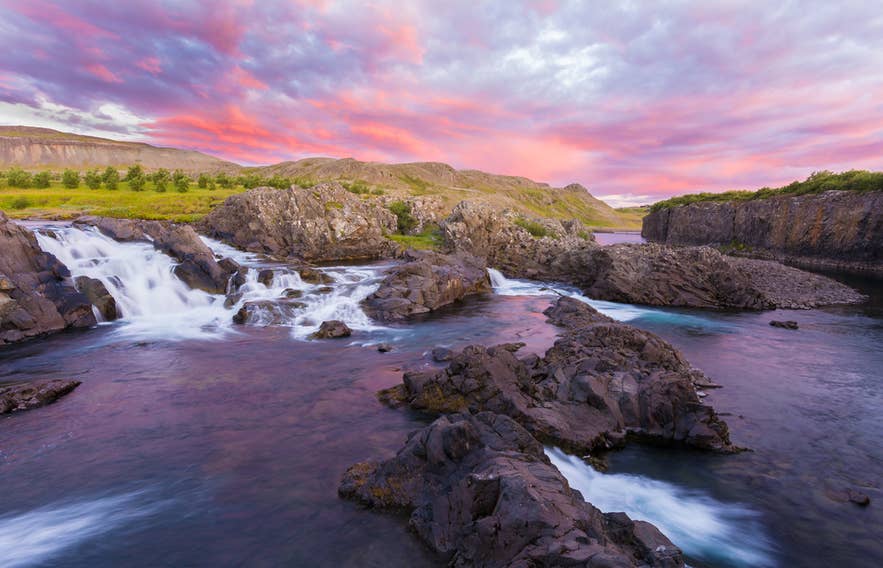
Beyond the famous mountains and waterfalls, West Iceland has plenty of hidden gems that most visitors miss. Adding these to your list of things to do in West Iceland will make your trip feel more personal and rewarding, and our roundup of hidden gems in Iceland has more in the same vein.
-
The Settlement Center (Borgarnes) – Two exhibitions in a converted warehouse, one on Iceland’s settlement and one on Egil’s Saga, whose events happened in the valleys around the town. Open daily from 10:00 to 21:00, with a restaurant on site and a free smartphone guide to the saga sites nearby.
-
Gerduberg Cliffs (Snaefellsnes) – A wall of near-perfect hexagonal basalt columns standing in a row along the roadside, free to visit and almost always empty. A five-minute stop that photographs far better than it sounds.
-
Eldborg Crater (Snaefellsnes) – A steep-sided scoria crater you can hike up to across a lava field, with the rim looking straight down into the vent. Longer than most roadside stops and correspondingly quiet.
-
Selvallafoss Waterfall (Snaefellsnes) – A set of cascades off Route 56, hidden from the road and a five-minute walk from an unmarked pull-off, so it stays quieter than most waterfalls in Iceland. You can walk in behind the curtain of water at the base, which is what draws photographers here.
-
Skardsvik Beach (Snaefellsnes) – A golden-sand beach surrounded by black lava rocks. It’s rare to see light-colored beaches in Iceland, making this a striking stop if you want photos that stand out.
-
Berserkjahraun Lava Field (Snaefellsnes) – A wild stretch of moss-covered lava with a backstory tied to Icelandic sagas. Driving the gravel road through it feels like entering another world.
-
Bjarnarhofn Shark Museum (near Stykkisholmur) – A quirky, family-run spot where you can learn how traditional fermented shark (hakarl) is made, and even taste it if you’re brave.
-
Glanni Waterfall (Bifrost) – Smaller than others but very accessible, this waterfall is tucked near the Grabrok Crater. It’s easy to visit on a road trip and feels like a secret spot.
-
Grabrok Crater (Bifrost) – An easily accessible volcanic crater with a staircase and boardwalk to the rim, and panoramic views over the surrounding lava fields and neighboring craters from the top.
-
Husafell Canyon Baths (Borgarfjordur) – Two geothermal pools hidden in a quiet canyon, reached only on a guided visit such as the Husafell Canyon Baths and highlands hiking tour. Far less crowded than the Blue Lagoon or Sky Lagoon.
-
Haafell Goat Farm (near Reykholt) – A family-run farm working to preserve Iceland’s rare goat breed. You can meet the goats and buy products made from their milk, which makes it a good stop for Icelandic souvenirs.
How To Get Around in West Iceland
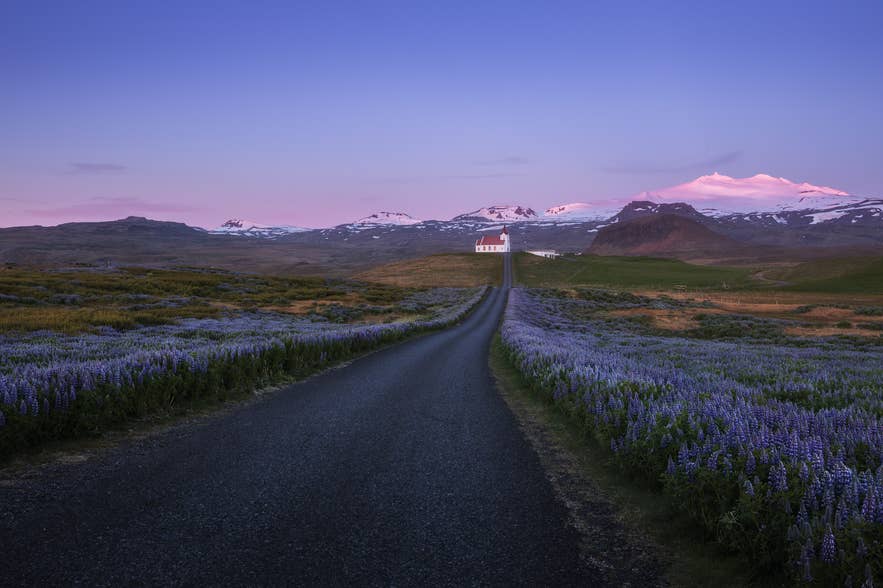 Knowing how to get around West Iceland will make your trip hassle-free. Here’s what you need to know to get around efficiently and maximize your journey.
Self-Drive in West Iceland
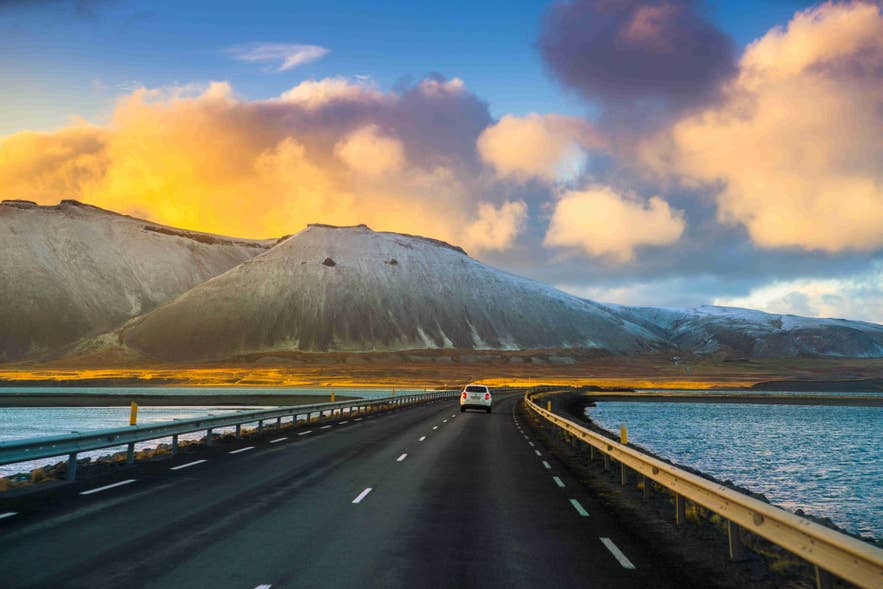 Driving is one of the best ways to experience the top things to do in West Iceland. Renting a car lets you stop at scenic viewpoints, take spontaneous detours, and travel on your schedule.
For travelers who want the freedom of a road trip but also want an itinerary to follow, check out these popular self-drive tours:
-
7-Day Budget Self-Drive Tour of Iceland’s Snaefellsnes Peninsula & the South Coast: Ideal for travelers who want to see West Iceland and the South Coast on a budget, with a mix of iconic sights and hidden gems.
-
9-Day Self-Drive Tour of the Complete Ring Road of Iceland & Snaefellsnes Peninsula: This extended route includes West Iceland while covering all of Iceland’s top regions in a well-paced itinerary.
-
10-Day Northern Lights Winter Self-Drive of Iceland’s South Coast & Snaefellsnes Peninsula: A perfect winter adventure that combines West Iceland’s beauty with top northern lights viewing spots.
These packages include accommodation, a car, and a planned route, perfect for seeing West Iceland without the stress of organizing every detail.
Join Guided Tours in West Iceland
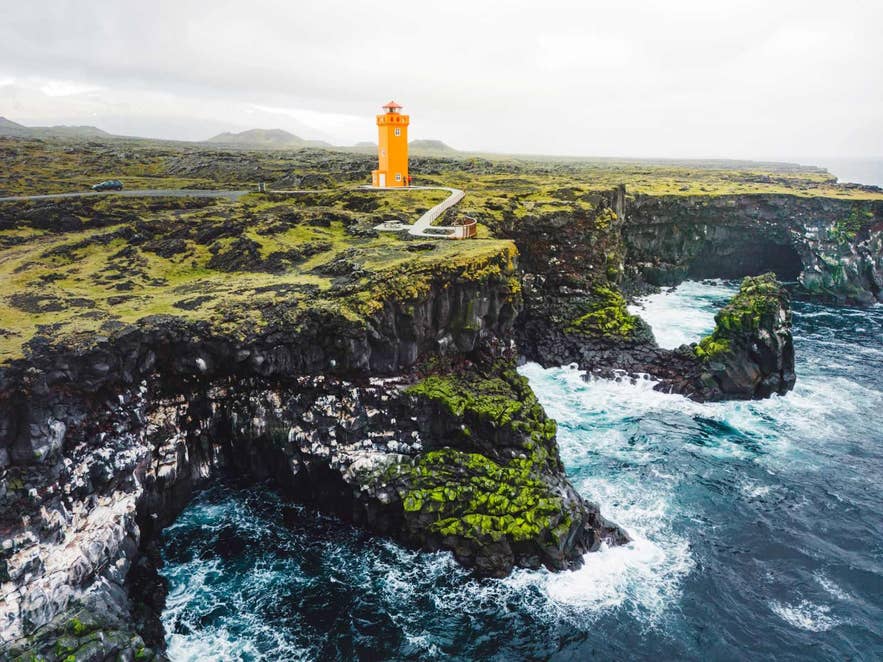
If you’d rather not drive, guided tours are also a great way to experience the top things to do in West Iceland without worrying about the planning. Knowledgeable guides share insights about the region’s history, geology, and hidden spots you might miss on your own.
For travelers who want to sit back and enjoy the ride with everything arranged, check out these popular tours of West Iceland, or browse more tours of the Snaefellsnes Peninsula:
-
Small Group 10-Hour Tour of the Silver Circle with Canyon Baths, Waterfalls & Reykholt: A full-day journey through West Iceland’s Silver Circle, combining hot spring bathing, powerful waterfalls, and the historic village of Reykholt.
-
Small-Group Silver Circle Tour from Reykjavik with Into the Glacier Ice Cave Experience: A guided adventure that blends Silver Circle highlights with the rare chance to explore the man-made ice tunnels inside Langjokull Glacier.
-
2-Day Snaefellsnes Peninsula Sightseeing & Northern Lights Tour From Reykjavik: A short but rich tour focused on West Iceland’s Snaefellsnes Peninsula, with a chance to see the northern lights in winter.
These tours typically include transportation, expert commentary, and curated stops, ideal for travelers who value ease and in-depth local knowledge.
Best Places To Stay in West Iceland
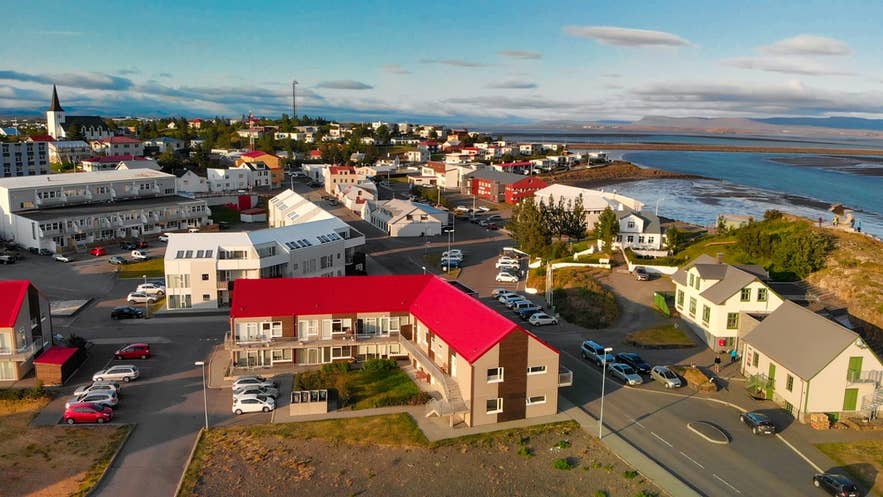
Finding the best hotels and accommodation in West Iceland is part of the adventure. Whether you want a romantic spot by the sea, a cozy guesthouse in Borgarfjordur, or a rustic cabin on a farm, this region has stays that match every kind of trip, several of them among the most romantic places in Iceland.
-
Hraunsnef Country Hotel (Nordurardalur Valley) - A small, family-run hotel right on the Ring Road, where much of what lands on your plate is grown or raised on the family farm outside.
-
Hotel Budir (Snaefellsnes Peninsula) - An iconic lava-field hideaway between Snaefellsjokull Glacier and the Atlantic, with a fine-dining restaurant that draws people out here on its own.
-
Hotel Husafell (Husafell, Borgarfjordur) - A modern retreat in Borgarfjordur with an aurora wake-up service and a dark-sky setting, minutes from Hraunfossar, Vidgelmir and Langjokull.
-
Hotel Hamar (Borgarnes) - A spacious modern base on a golf course, with outdoor hot tubs and easy reach of both Snaefellsnes and Borgarfjordur.
-
Fosshotel Stykkisholmur (Stykkisholmur) - A bright, reliable hotel overlooking Breidafjordur Bay, walking distance from the harbor.
Our regional guide to where to stay in Iceland covers how West Iceland compares with the rest of the country.
Tips for the Best Experience in West Iceland
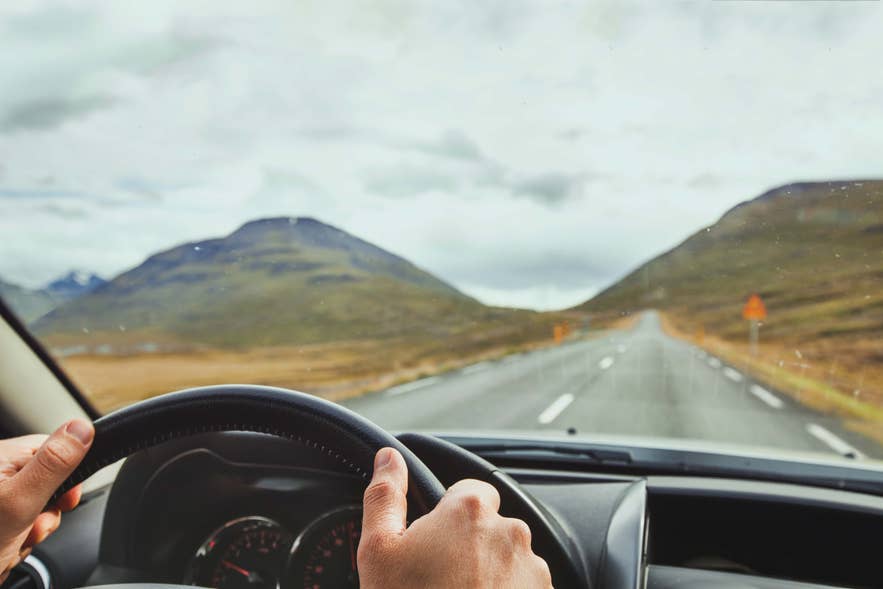
As a final piece of advice, Kristján Guðmundsson shares how travelers can explore West Iceland sustainably and support the local communities that live in the region:
Use local accommodation, eat at local restaurants, shop locally and choose locally operated experiences. That means more of the value created by tourism stays within the communities you are visiting.
West Iceland’s raw beauty also brings unpredictable conditions. Preparing well ensures you can fully enjoy the many things to do in West Iceland while staying safe and respecting the environment. These tips will help you travel with confidence:
-
Learn how to drive safely in Iceland. Rural roads can be narrow, unpaved, and affected by sudden weather changes. Caution and local awareness are essential.
-
Follow local guidelines on all trails and natural sites. From coastal walks to waterfall hikes, staying on marked paths protects both you and the landscape.
-
Dress in layers and bring waterproof clothing. West Iceland’s weather can shift quickly, even in summer. Layering helps you adjust to wind or temperature drops. Waterproof gear is especially useful near waterfalls and on coastal trails.
-
Check road and weather conditions every day. In winter, some routes may be icy or closed. Look for updates before driving, especially if you plan to visit remote areas.
-
Stick to marked trails at popular sites. Places like Kirkjufell Mountain have fragile vegetation. Respect signs and avoid stepping off established paths.
-
Stay away from icy edges and unmaintained paths in snowy months. Some areas may appear safe, but are not checked or cleared during winter.
-
Pack basic safety items. Bring snacks, water, a flashlight, and a fully charged phone. These are helpful in case of delays or poor visibility.
Plan Your Ultimate West Iceland Adventure
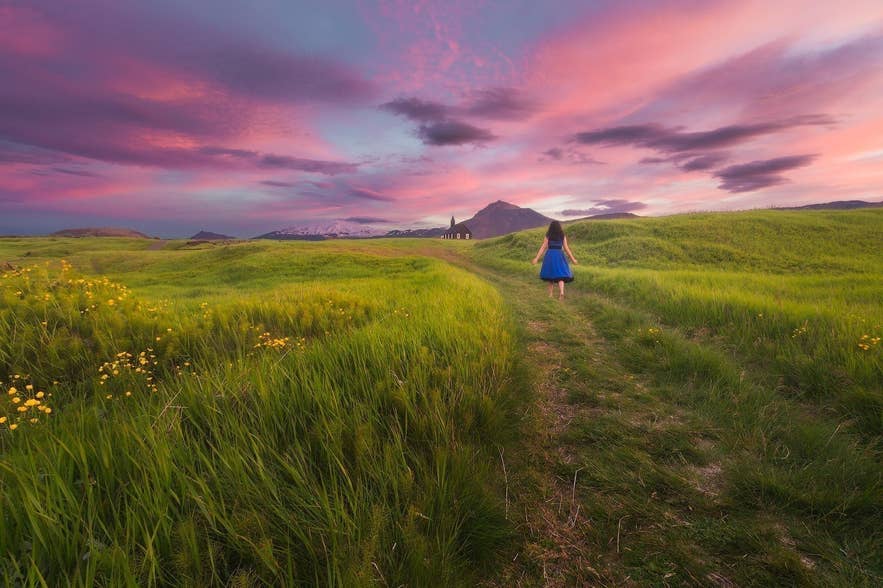
West Iceland is a region where dramatic landscapes and rich history come together to offer unforgettable experiences. It’s a place that rewards both adventure seekers and those simply looking to slow down and take in the beauty.
One of the best things travelers can do is slow down and stay longer.
Exploring the top things to do in West Iceland is not just about checking off attractions. It’s about immersing yourself in the spirit of the land. As you plan your journey, keep in mind that the best moments often come in unexpected places, on a quiet coastal trail, beside a hidden waterfall, or under the glow of the aurora.
However long you stay, West Iceland leaves a lasting impression. All that’s left to do now is pack your sense of wonder, book your flights to Iceland, and get ready to discover the wonders of its western region.
冰岛西部值得去吗?
这一地区活动丰富,包括徒步、观海豹、探访瀑布等。你还可以在舒适的地热温泉中放松身心,并深入了解冰岛的文化与历史。
在冰岛西部有机会观赏野生动物吗?
在冰岛西部可以体验哪些文化活动?
冰岛西部有地热温泉吗?
冰岛西部适合从雷克雅未克一日往返吗?
去冰岛西部需要安排几天?
去冰岛西部旅行应该带什么?
Have you visited West Iceland before? Share your favorite experiences in the comments or let us know what other must-see spots you’d recommend. Your tips could help fellow travelers on their journey!

I'm a travel storyteller with a deep love for all things Iceland. I share and write stories about the land of fire and ice’s top spots (plus hidden gems), thrilling activities to try, and unforgettable experiences to join—one itinerary at a time.


