Experiencing the top things to do in Reykjavik in April is exciting, with longer daylight hours, melting snow, and fewer crowds than in summer. Early in the month, you may still see the northern lights, while by late April, puffins begin to return to the coast. Many April tours and spring tours take advantage of this transition, offering a mix of winter landscapes and early summer wildlife experiences.
Why You Can Trust Our Content
Guide to Iceland is the most trusted travel platform in Iceland, helping millions of visitors each year. All our content is written and reviewed by local experts who are deeply familiar with Iceland. You can count on us for accurate, up-to-date, and trustworthy travel advice.
In Reykjavik, you can explore landmarks, museums, restaurants, and geothermal pools and hot springs. Another popular way to discover the city is Reykjavik walking tours, whether through food, art, or folklore. A walking tour of Reykjavik’s history and culture offers deeper insight into Icelandic traditions.
Beyond the city, guided tours from Reykjavik give access to Iceland’s natural highlights. The best day trips from Reykjavik include the Golden Circle, the South Coast, and the Snaefellsnes Peninsula, all of which showcase the best of Iceland in April.
Keep reading to find out how to have an excellent April visit with detailed guides to Reykjavik’s attractions, tours, events, and travel tips.
Key Takeaways
-
April is a transition month with 32 F to 45 F (0 C to 7 C) temperatures, long daylight hours, and fewer crowds.
-
You may still see the northern lights early in the month, while waterfalls surge with snowmelt and puffins return by late April.
-
Top things to do in downtown Reykjavik include visiting landmarks and museums, soaking in hot springs and pools, and joining food tours.
-
Taking day trips from Reykjavik to the Golden Circle, South Coast, Reykjanes Peninsula, and Snaefellsnes Peninsula is also popular among visitors in April.
-
April events include Easter celebrations and the First Day of Summer parade in downtown Reykjavik.
-
Base yourself in downtown Reykjavik for easy access to the best things to do, or if you have a rental car or are open to public buses, stay a bit further away for lower prices.
-
Remember to pack layers of clothing for variable weather, ranging from sunshine to snowstorms, and don't forget your swimwear.
-
While April is calmer than the high season, you still need to secure bookings for popular experiences like the Blue Lagoon a few weeks in advance.
11. Catch a Show at Harpa Concert Hall
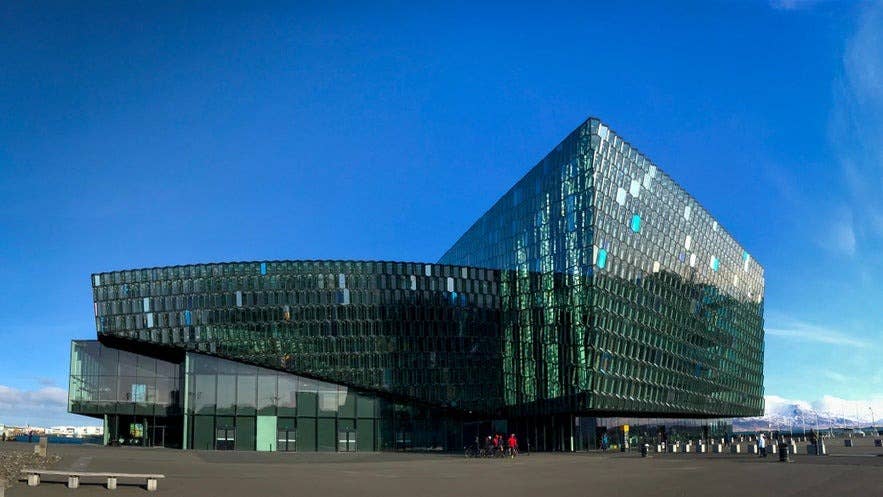 Seeing a performance at Harpa Concert Hall is one of the best things to do in Reykjavik in April, especially if you want an evening activity after a day of sightseeing. The building sits by the Old Harbor and is famous for its glass facade, which reflects the changing light over Faxafloi Bay.
Harpa hosts concerts, comedy shows, theater performances, conferences, and cultural events throughout the year. You may find classical concerts by the Iceland Symphony Orchestra, local music performances, or visiting international artists. April is a good time to check the schedule, as indoor evening events are especially appealing after a windy spring day.
You do not need a ticket to enjoy the building itself. Harpa is free to enter, and you can walk through the bright lobby, climb the staircases, visit the gift shop, or stop for a drink with views of the harbor. It is also a great place to warm up during a waterfront walk.
10. Climb Hallgrimskirkja Church for City Views
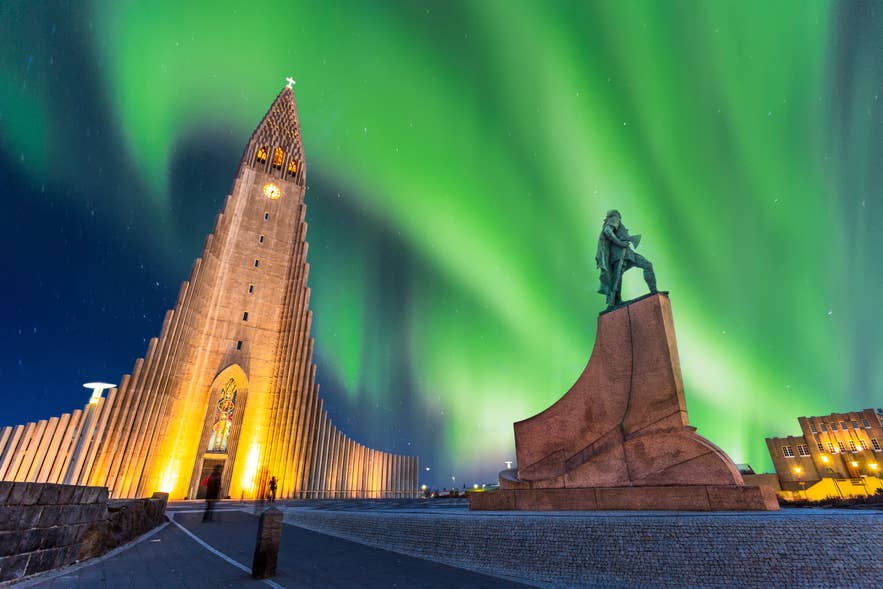
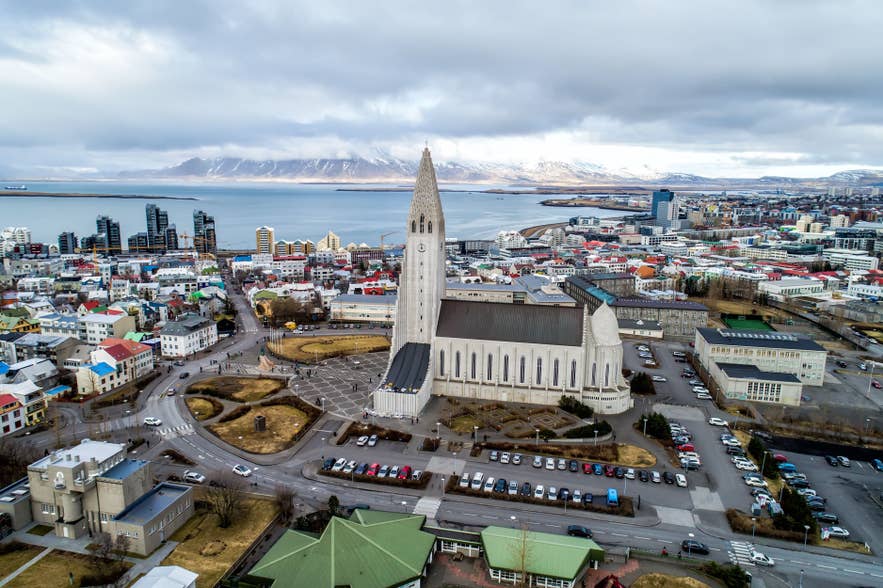 Visiting Hallgrimskirkja Church is one of the most iconic things to do in Reykjavik in April. The church stands at the top of Skolavordustigur, better known as Rainbow Street, and its tower can be seen from many parts of the city.
The design was inspired by Iceland’s basalt columns, which you can see in places like Reynisfjara Black Sand Beach and other volcanic landscapes around the country. Inside, the church is simple and bright, with a large pipe organ that often draws attention from visitors. If you are lucky, you may hear it being played during your visit.
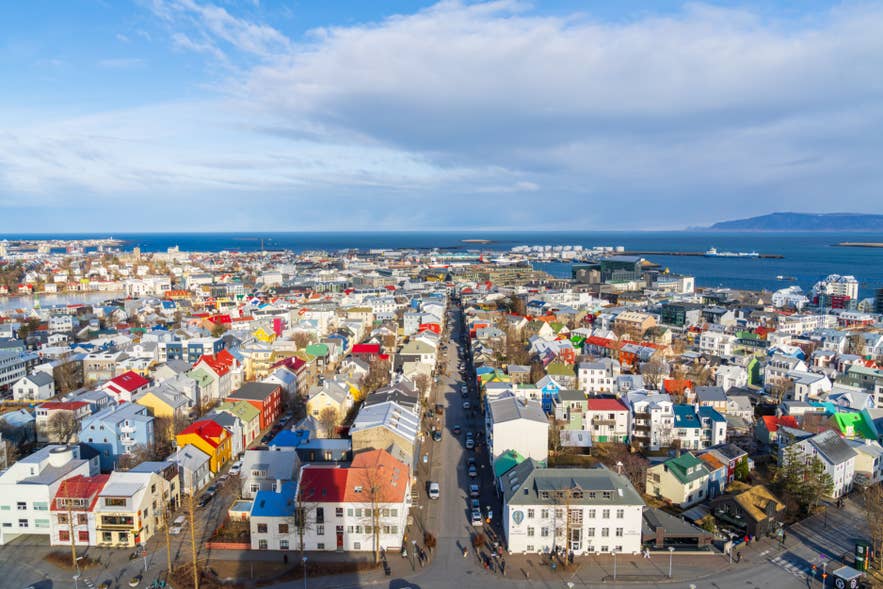
The main highlight is the tower. An elevator takes you most of the way up, followed by a short staircase to the viewing area. From the top, you can see colorful rooftops, the Old Harbor, Faxafloi Bay, Mount Esja, and the surrounding mountains. In April, the mix of spring light, snow-dusted peaks, and clear coastal views makes this one of the best viewpoints in Reykjavik.
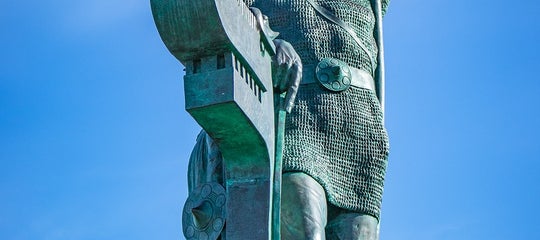
Hallgrimskirkja is easy to combine with a walk along Rainbow Street, coffee at a nearby cafe, or a visit to the statue of Leifur Eiriksson in front of the church.
9. Eat at Reykjavik's Top Restaurants and Cafes
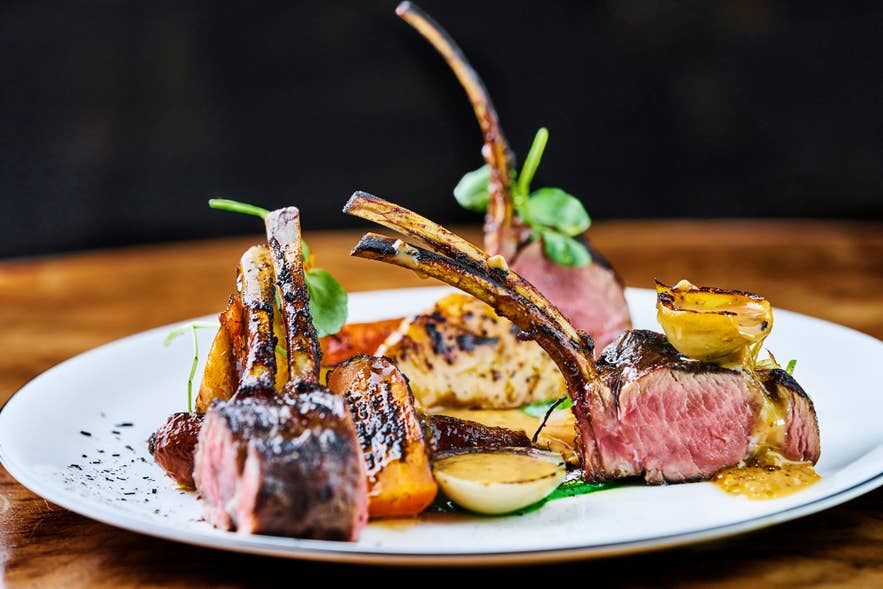 Trying local food is one of the best ways to enjoy Reykjavik in April. After a day of exploring, the city’s restaurants and cafes offer a warm place to slow down. You can find everything from traditional Icelandic dishes to modern Nordic tasting menus, bakeries, food halls, and relaxed bars.
For classic Icelandic flavors, look for lamb, Arctic char, langoustine, plokkfiskur fish stew, rye bread, and skyr desserts. Cafe Loki is a convenient place to try traditional Icelandic dishes near Hallgrimskirkja, while Kol Restaurant, Fjallkonan, Saeta Svinid, and Apotek Restaurant offer a more polished take on Icelandic ingredients in the city center.
If you want something quick and affordable, stop by Baejarins Beztu Pylsur for Iceland’s most famous hot dog. For coffee and pastries, Reykjavik has excellent bakeries and cafes, including Sandholt Bakery on Laugavegur and 280 Bakery just a few meters off Skolavordustigur, not far from Hallgrimskirkja.
The city also has a lively bar scene. Many of Reykjavik's bars are concentrated around Laugavegur, Bankastraeti, and Austurstraeti, making it easy to explore on foot. April is calmer than peak summer, so you can often enjoy a more relaxed atmosphere while still finding live music, craft beer, cocktails, and late-night energy on weekends.
8. Do a Guided (or Self-Guided) Walking Tour
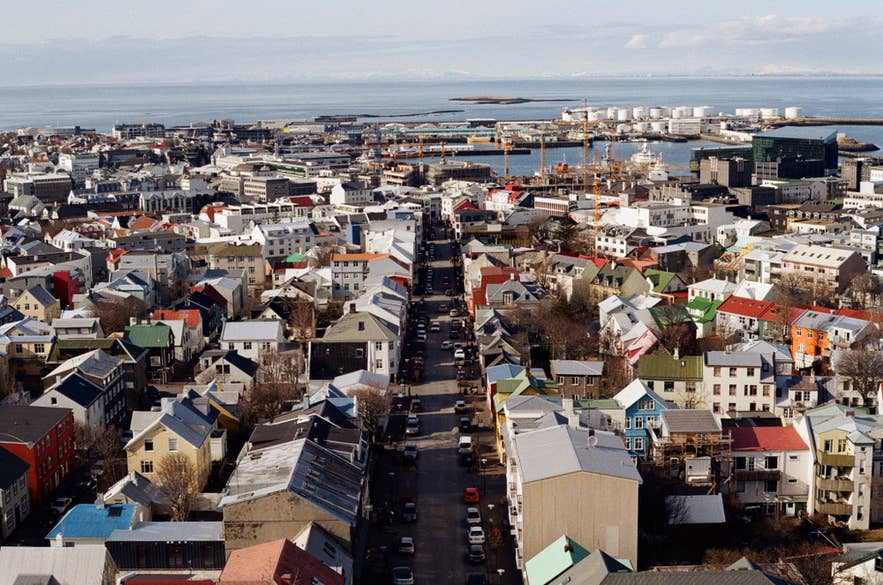 Exploring downtown is one of the best things to do in Reykjavik in April. The city center is compact, and most attractions are only a short walk apart. Longer daylight hours mean you can take your time, and there are plenty of Reykjavik cafes along the way where you can warm up between stops.
Laugavegur and Skolavordustigur (Rainbow Street)
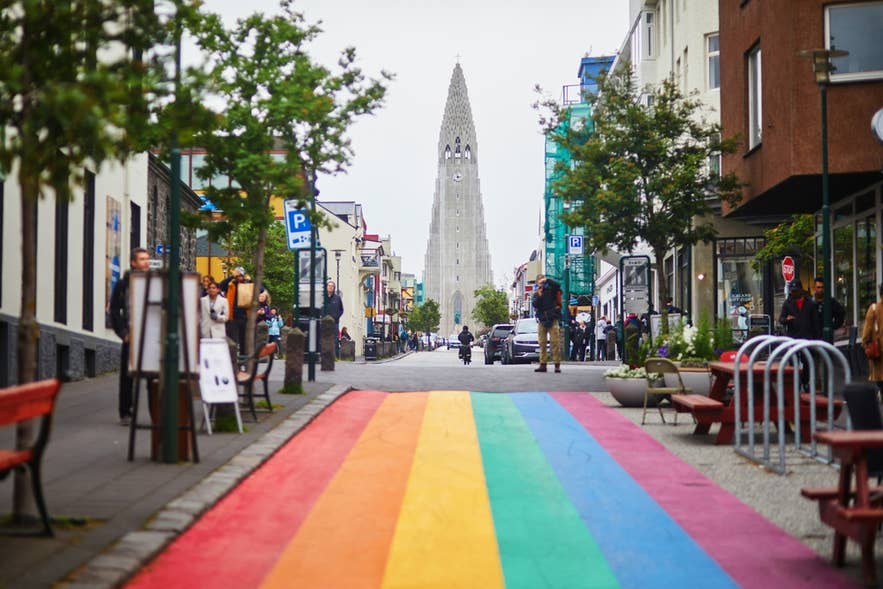 Strolling along Rainbow Street is one of the top things to do in Reykjavik in April. The colorful path runs through downtown and ends with one of the most famous photo angles in the city. The rainbow design was first painted for Reykjavik Pride and is now a permanent symbol of the capital.
The street is lined with some of Reykjavik's best restaurants, cafes, bakeries, and local shops. Cafe Loki is known for its rye bread ice cream and traditional Icelandic dishes, while Sandholt Bakery is a favorite spot for pastries and coffee. You’ll also find clothing stores like 66°North and smaller boutiques selling Icelandic souvenirs. For dinner, Kol Restaurant is a great choice for modern Icelandic cuisine.
At the top of the street stands Hallgrimskirkja Church, Reykjavik’s most iconic landmark and one of Iceland's tallest buildings. Its design was inspired by Iceland’s basalt lava columns, and a large pipe organ fills the interior with powerful sound. Visitors can take an elevator up the tower for views over the city, Faxafloi Bay, and nearby mountains.
Tjornin Pond
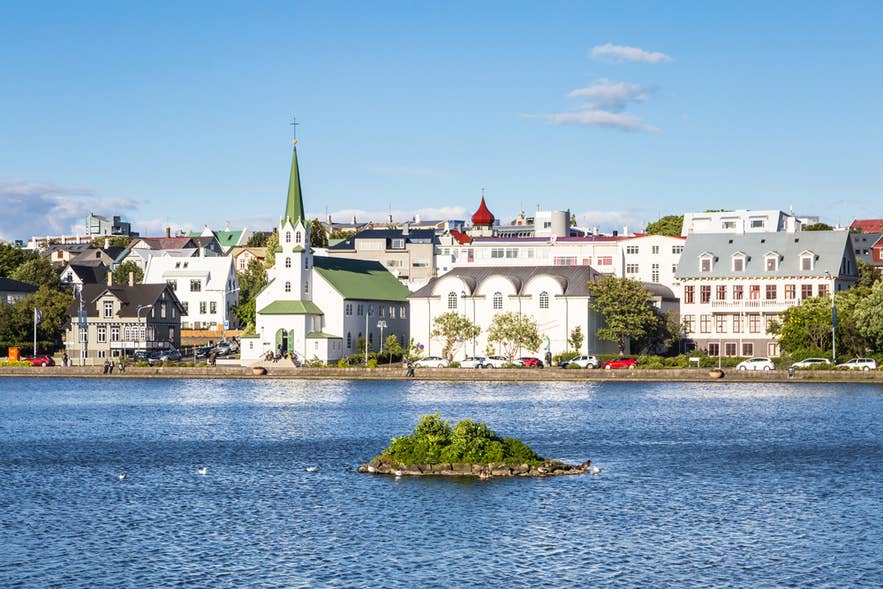 Walking along Tjornin Lake is one of the most relaxing things to do in Reykjavik in April. The small lake sits in the city center, just behind Reykjavik City Hall, and is surrounded by colorful houses and quiet walking paths. It is often called “the pond” by locals.
The paths around Tjornin are easy to walk on and connect to nearby attractions. You can continue toward the Free Lutheran Church on the shore or head to Austurvollur Square, where locals gather in spring. City Hall also has free exhibitions and large relief maps of Iceland, which are worth a quick look.
Reykjavik Waterfront Walk
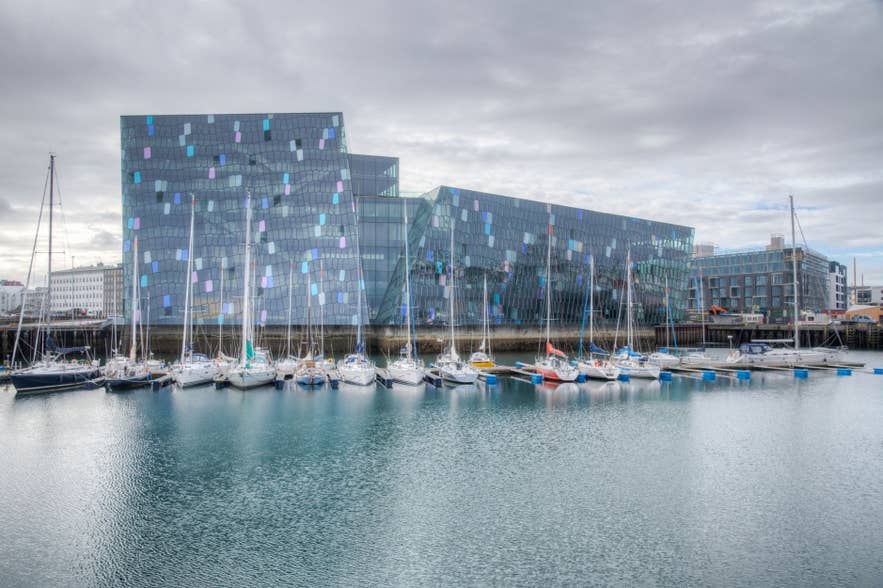 A walk along Reykjavik’s waterfront is one of the simplest and most enjoyable things to do in April. The path stretches from the Old Harbor toward Harpa Concert Hall and continues along Faxafloi Bay, with open views of the Atlantic Ocean and Mount Esja in the distance.
Along the route, you will pass the Sun Voyager Sculpture, a steel artwork shaped like a Viking ship. It is one of the most photographed landmarks in Reykjavik and looks especially striking in April when the low spring sunlight reflects off the water behind it.
Harpa Concert Hall is another highlight. Its glass walls shimmer in changing light and reflect the colors of the sky and sea. The building is free to enter, with open staircases, bright balconies, and views of the harbor. It also hosts concerts, plays, and cultural events throughout the year.
7. Explore Reykjavik’s Top Museums
 If you are planning what to do in Reykjavik in April, the city’s museums are a great place to start. You can visit famous buildings, explore exhibitions, or choose indoor activities when the weather turns cold. Highlights include Perlan, the National Museum of Iceland, and exhibitions about whales and the northern lights.
Perlan Museum (Natural History)
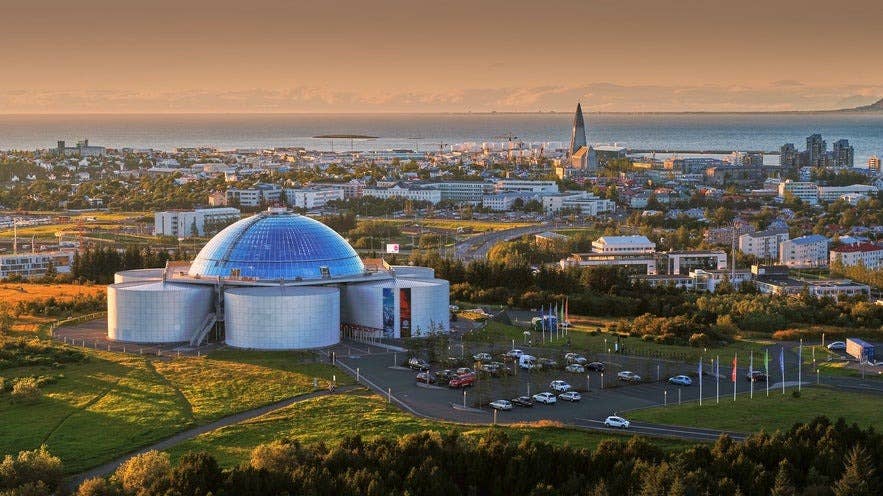 Exploring Perlan is one of the top activities for travelers planning what to do in Reykjavik in April. Its exhibitions and viewing deck balance indoor learning with outdoor panoramas, which is ideal in shifting spring weather.
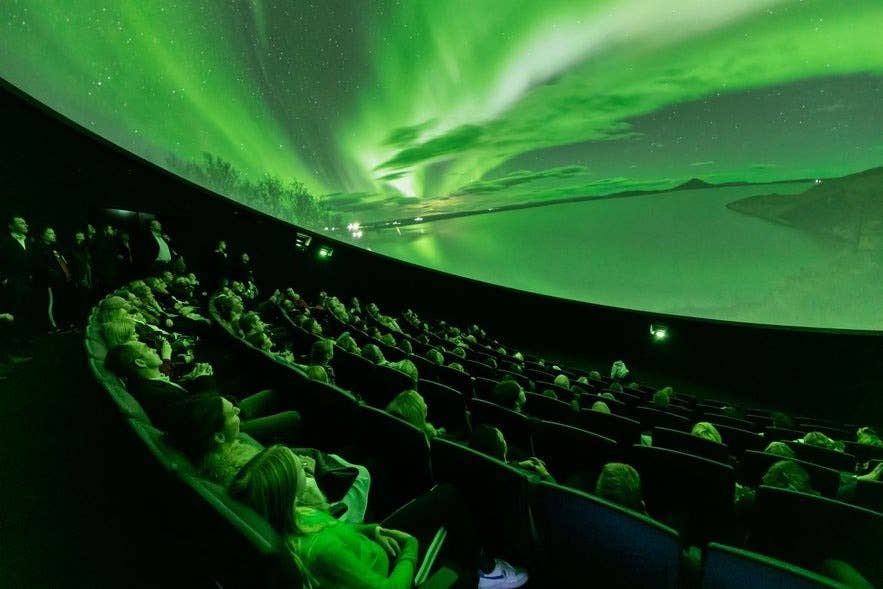
Inside, you will find exhibitions about Iceland’s glaciers, volcanoes, and wildlife. A highlight is the Perlan ice cave, a recreation of a natural cave made from real ice. If April clouds block the aurora, you can also experience it indoors at the planetarium’s northern lights show.
A viewing deck circles the dome and offers one of the best panoramas of Reykjavik and the nearby mountains. In April, the long daylight hours give you a wide view across the bay. The deck is often windy and cold, so dressing extra warm is recommended.
National Museum of Iceland
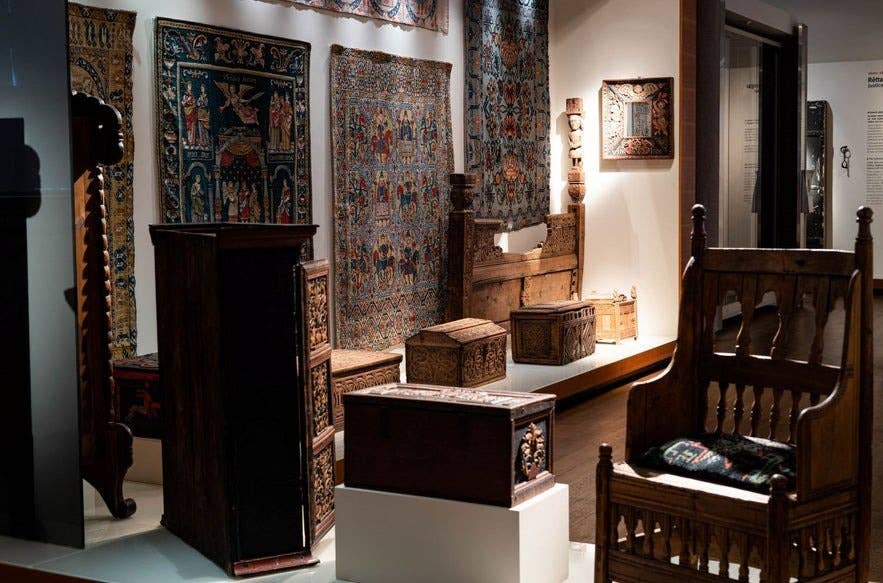 The National Museum of Iceland is a must-see for visitors interested in culture when exploring Reykjavik in April. It gives an overview of the history of Iceland while offering a warm indoor option on chilly spring days. The museum sits near the University of Iceland and is easy to reach on foot or by public Reykjavik buses from downtown.
Exhibitions here cover more than 1,200 years of history, from Viking settlement to modern times. A visit usually takes one to two hours, and the layout is easy to follow. Audio guides in English are available if you want more details. The cafe and gift shop provide a good place to warm up and relax.
The Settlement Exhibition
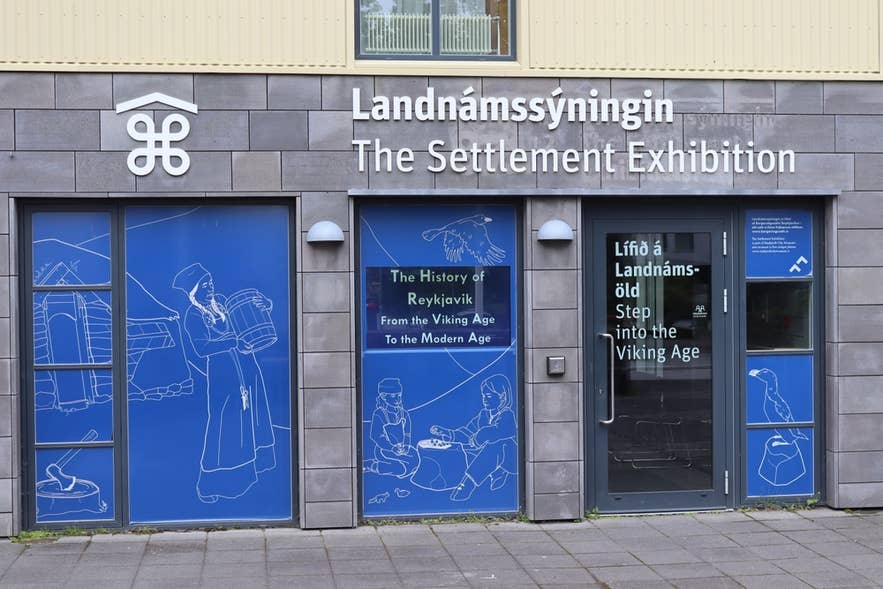 The Settlement Exhibition is a fascinating stop if you are curious about early history while exploring Reykjavik in April. It is built around the remains of a Viking longhouse discovered in the city center, giving you a direct link to Iceland’s past.
This exhibit has been extended in recent years and now connects to the Adalstraeti Exhibition, which traces the history of Reykjavik to the modern day. The ticket includes access to both.
In April, the exhibitions are especially appealing as an indoor activity. Families also find it engaging, as the hands-on exhibits are designed for both children and adults. Plan for about an hour here, and combine it with a walk to nearby landmarks such as Reykjavik City Hall or Tjornin Lake.
Whales of Iceland
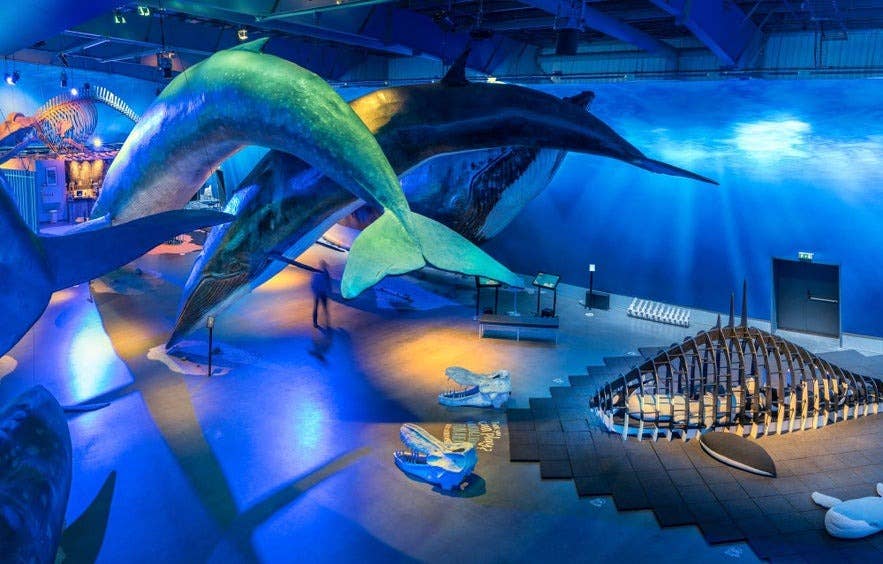
Whales of Iceland is a good choice for travelers looking for family-friendly things to do in Reykjavik in April. The exhibition features life-size models of the 23 whale species found in Icelandic waters, from blue whales to orcas.
A Whales of Iceland ticket will give you access to the spacious hall filled with whale models suspended from the ceiling and displayed on the ground. Touch screens and audio guides explain the biology and behavior of each species, and the soundscape of whale calls makes the experience more immersive.
In April, whale watching tours also begin to see more activity in Faxafloi Bay, so visiting the exhibition can be a good way to prepare for an actual boat trip. If the weather is poor or you prefer to stay indoors, this museum offers a comfortable way to learn about the same animals you might spot from the harbor.
Aurora Reykjavik
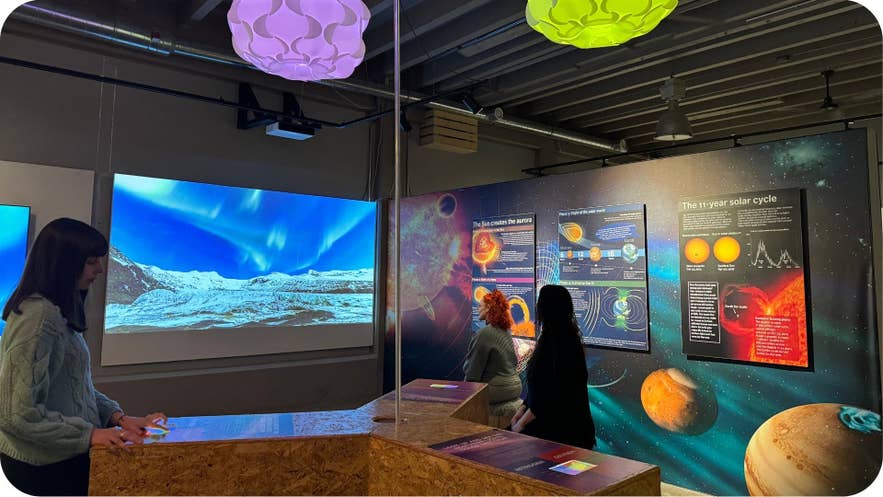 Visiting Aurora Reykjavik is one of the best things to do in Reykjavik in April if you want to learn about the northern lights. The small museum explains the science and legends behind the aurora borealis and offers a way to experience it even on cloudy nights.
Inside, you can watch time-lapse films of the lights displayed on a wide screen and try interactive exhibits. Local stories and folklore are included alongside practical tips for seeing the northern lights. A favorite feature is the “northern lights selfie booth,” where visitors can take photos with a simulated aurora in the background.
6. Get To Know Reykjavik on a Food Tour
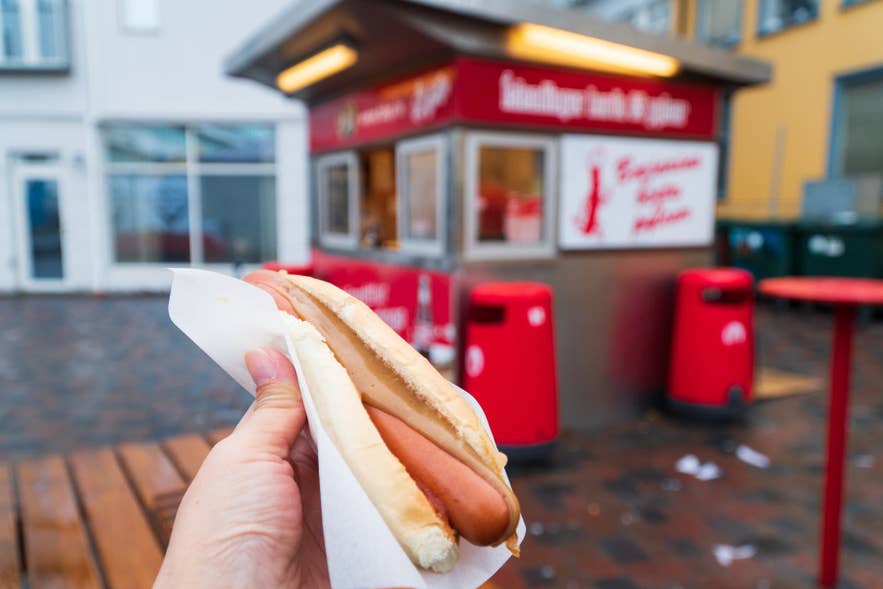 Joining a food tour is one of the best things to do in Reykjavik in April. These tours let you taste Icelandic dishes while walking between restaurants with a local guide. You can focus on street food, seafood, sweets, or traditional meals, and there are also beer and distillery tours for travelers who want to try local drinks.
Here are some top-rated options:
-
Reykjavik Food Walk: Visit a mix of restaurants and cafes for Icelandic lamb, seafood, and hot dogs. A popular introduction to local cuisine.
-
Reykjavik Food Lovers Tour: Similar to the previous tour, but it includes hakarl (fermented shark), a traditional dish many visitors are curious about.
-
Reykjavik Beer Tour: Sample craft beers at local bars and breweries during an evening walk.
-
Private Traditional Icelandic Food Tour: A private option where you set the pace and enjoy a more intimate food experience.
-
Icelandic Sweet Tooth Tour: For dessert lovers, with tastings of pastries, chocolates, and candy.
5. Go Shopping for Unique Icelandic Souvenirs
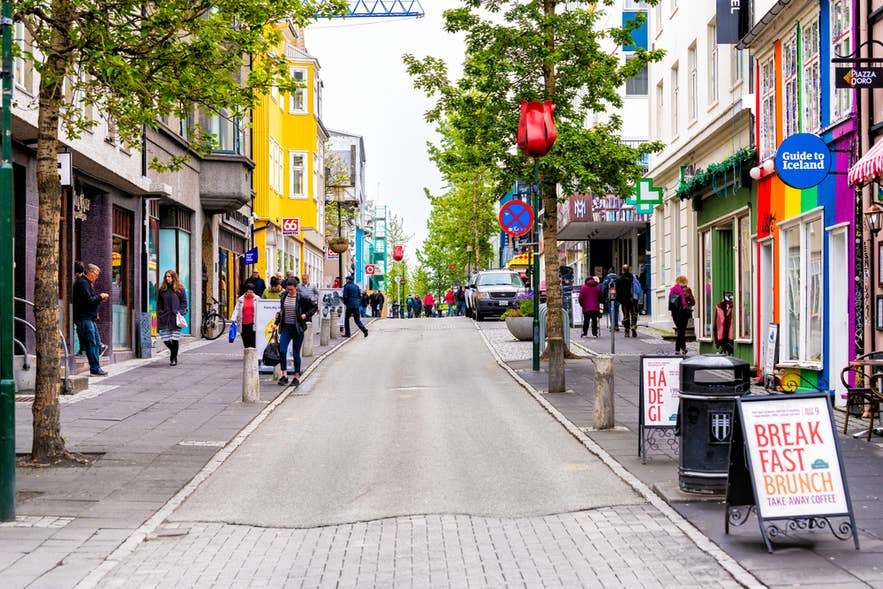 Shopping is one of the easiest things to do in Reykjavik in April, especially when the weather changes quickly. The city center has gift shops, design stores, clothing boutiques, bookstores, outdoor gear shops, and grocery stores within a short walking distance.
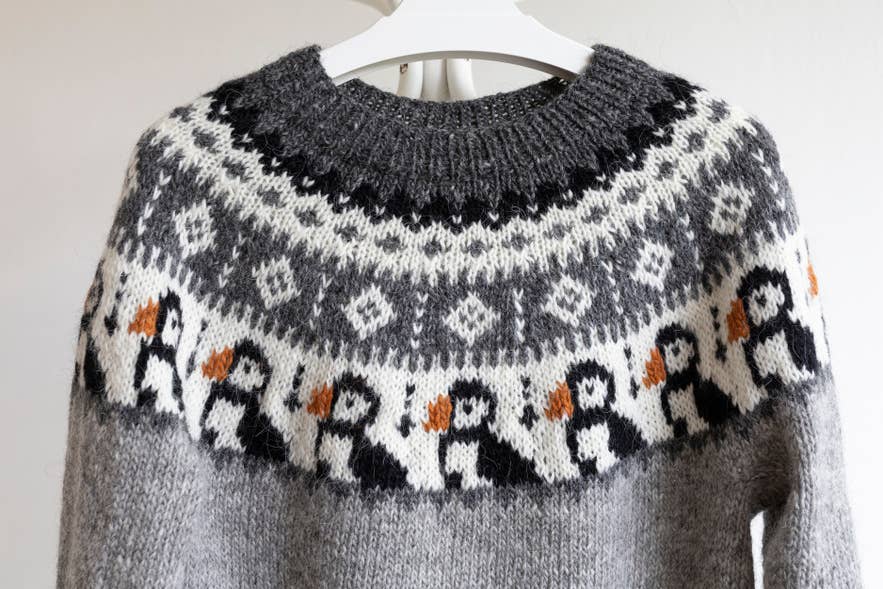
The best souvenirs from Iceland are usually practical, locally made, or connected to the country’s culture. Popular options include lopapeysa wool sweaters, Icelandic sea salt, lava jewelry, skincare products, wool blankets, licorice, chocolate, music, books, and locally designed homeware. You can also find smaller keepsakes such as postcards, ornaments, magnets, and puffin-themed gifts.
Reykjavik's Gift Shops
 Many of Reykjavik’s best gift shops are found along Laugavegur, Skolavordustigur, and the streets around Austurvollur Square. These areas are easy to explore on foot and combine well with sightseeing, coffee stops, and restaurant visits.
If you want a classic Icelandic wool sweater, look for stores that sell locally made lopapeysa sweaters rather than mass-produced versions. The Handknitting Association of Iceland is one of the best-known places to buy authentic wool items. You can also find quality Icelandic design in shops selling ceramics, candles, jewelry, prints, and home decor.
For food souvenirs, supermarkets and specialty shops sometimes offer better value than tourist stores. Icelandic chocolate, sea salt, licorice, herbal teas, and coffee are easy to pack and make good gifts. Just check customs rules before bringing food products home.
Kolaportid Flea Market
Kolaportid Flea Market is a popular weekend stop, and exploring it is one of the most local things to do in Reykjavik in April. The market is held indoors near the Old Harbor, which makes it a good choice on windy or rainy spring days.
Inside, you will find stalls selling Icelandic lopapeysa sweaters, secondhand clothes, books, and antiques. Food vendors offer local treats, from dried fish to licorice candy, and there are tables stacked with Icelandic music and handmade crafts. The market is open only on weekends, from 11 AM to 5 PM, and entry is free.
Shopping Malls in Reykjavik
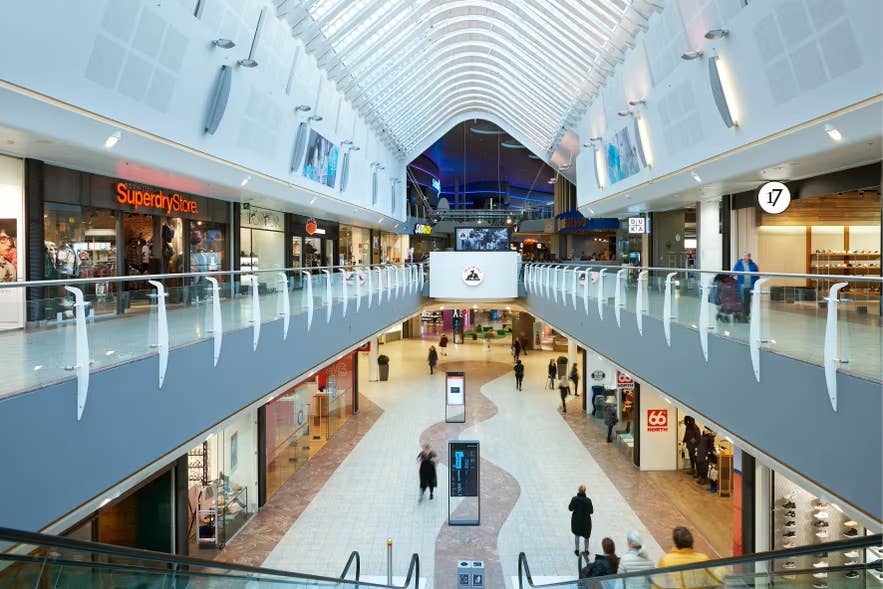 If you want a break from walking outside, Reykjavik also has indoor shopping malls. Kringlan is a large shopping mall in the capital area and has clothing stores, cafes, restaurants, a cinema, supermarkets, pharmacies, and Icelandic design shops. It is a useful stop if you need practical items, warmer clothing, or a simple indoor activity on a cold April afternoon.
If you have more time, head to Smaralind, another big shopping mall a bit further out of the city.
4. See the Northern Lights in Reykjavik in April
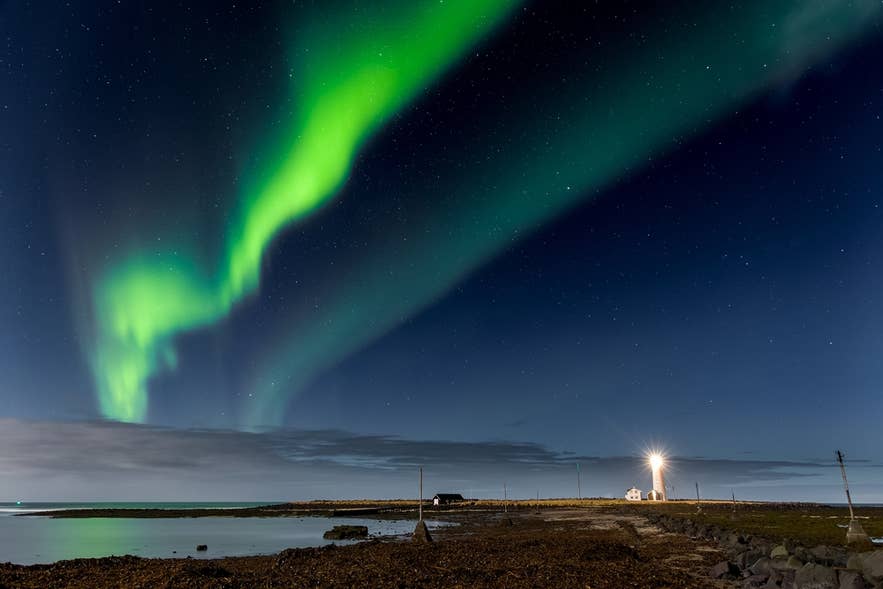 Yes, you can see the northern lights in Reykjavik in April, but only during the first half of the month. By mid-April, the nights are too bright for reliable viewing. If seeing the aurora is a priority, visit in early April and allow several nights, since clear skies and solar activity are both needed.
The best places to see the northern lights in Reykjavik are Grotta Lighthouse, Oskjuhlid Hill, and Klambratun Park. These areas are darker than the city center and give you a clearer view of the night sky. Plan your outing between 10 PM and 1 AM. Always check the Icelandic Meteorological Office’s aurora forecast for activity levels and cloud cover.
Northern Lights Tours From Reykjavik in April
Joining a guided northern lights tour from Reykjavik is one of the most reliable ways to see the aurora in April. Many tours leave from the capital in the evening and head to darker areas where conditions are better. Most include free rebooking if the lights do not appear.
Here are some of the best options:
-
Northern Lights Bus Tour: An affordable tour that takes you out of Reykjavik to the countryside for a classic aurora hunt.
-
Northern Lights Tour by Boat: Cruise into Faxafloi Bay and watch the lights from the sea, away from city lights. The skyline of Reykjavik adds a unique backdrop if the aurora appears.
-
Northern Lights Super Jeep Tour: A small-group adventure in a 4x4 super jeep. The driver can access rougher tracks and more remote viewing spots.
-
Golden Circle & Northern Lights Tour: A full-day experience that covers Thingvellir National Park, Gullfoss Waterfall, and Geysir Geothermal Area, and a northern lights tour.
-
South Coast & Northern Lights Tour: Combine South Coast highlights such as Skogafoss and Seljalandsfoss waterfalls and Reynisfjara beach with a northern lights hunt.
3. Experience Icelandic Nature on a Day Trip
The best day trips from Reykjavik in April let you see Iceland’s dramatic landscapes without the summer crowds. Longer daylight hours and easier road conditions make it possible to visit waterfalls, geysers, volcanoes, and coastal cliffs in a single day.
Popular routes include the Golden Circle, the South Coast, the Reykjanes Peninsula, and the Snaefellsnes Peninsula. Each offers unique natural sights that are especially striking in April, from powerful waterfalls fueled by snowmelt to steaming geothermal fields and fresh volcanic terrain.
Here are the top day trips from Reykjavik:
-
Minibus Golden Circle Tour: A small-group minibus tour offering flexible stops and comfortable travel to Thingvellir National Park, Gullfoss Waterfall, and Geysir Geothermal Area.
-
South Coast Full Day Tour by Minibus: Covers the best attractions like Seljalandsfoss Waterfall, Skogafoss Waterfall, and Reynisfjara Black Sand Beach.
-
Reykjanes Active Volcano and Blue Lagoon Tour: Visit a volcanic eruption site in Reykjanes and end the day in the Blue Lagoon.
-
Snaefellsnes Peninsula Bus Tour: A full-day tour across the peninsula, which includes Djupalonssandur Beach, Mt. Kirkjufell, and charming towns of Hellnar and Arnarstapi.
2. Go Whale Watching from Reykjavik Harbor
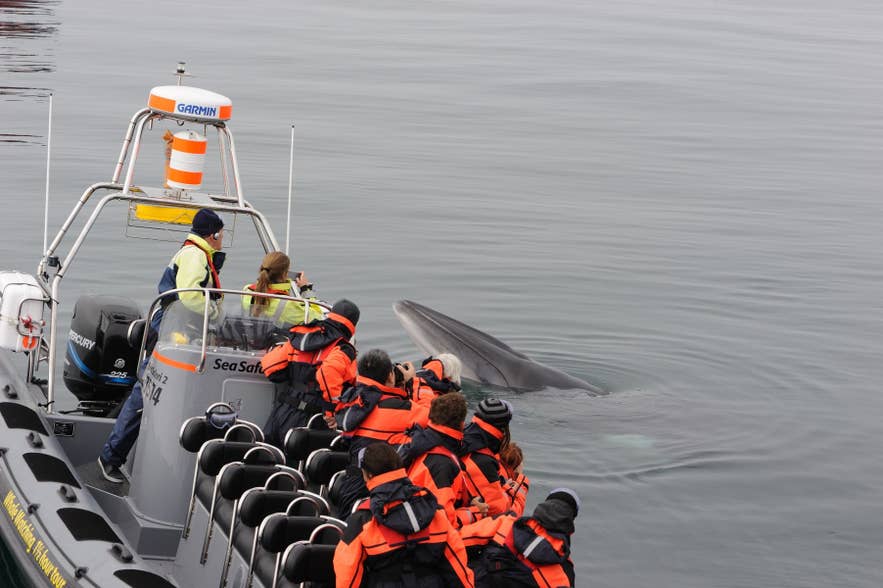 April is one of the best months for whale watching in Reykjavik. Longer daylight hours mean more time at sea, and more marine life gathers in Faxafloi Bay, giving you a higher chance of sightings compared to winter. Tours depart directly from Reykjavik’s Old Harbor, so it’s an easy activity to add to your trip without extra travel.
The most common whales seen in Reykjavik in April are minke whales and humpback whales. Harbor porpoises and white-beaked dolphins are also regular sightings. As spring brings richer feeding grounds, sightings are more frequent than in the winter months.
By mid-April, puffins return to nest on nearby islands, and you can join a tour that combines whale watching with puffin spotting from Reykjavik. You may also see seabirds such as guillemots, gannets, and kittiwakes along the bay.
Whale Watching Tours From Reykjavik in April
Reykjavik has many whale watching tours in April, all leaving from the Old Harbor. Boats range from large vessels with indoor seating to smaller yachts and fast RIB boats.
Here are some of the best whale watching tour options:
-
Classic Whale Watching Tour: The standard 3-hour tour from Reykjavik’s Old Harbor. Includes warm overalls and a free rebooking if no whales are seen.
-
Horse Riding and Whale Watching Tour: Combine a morning ride on Icelandic horses with an afternoon whale watching trip from Reykjavik.
-
Whale Watching and Northern Lights Combo Tour: Spend the day at sea spotting whales, then head out at night for an aurora chase.
-
ATV and Whale Watching Adventure: Combine a morning ATV ride outside Reykjavik with an afternoon whale tour for a land-and-sea experience.
-
Lava Tunnel and Whale Watching Tour: Visit a volcanic lava tube in the morning and head to the bay for whale watching in the afternoon.
1. Relax in Reykjavik’s Pools and Hot Springs
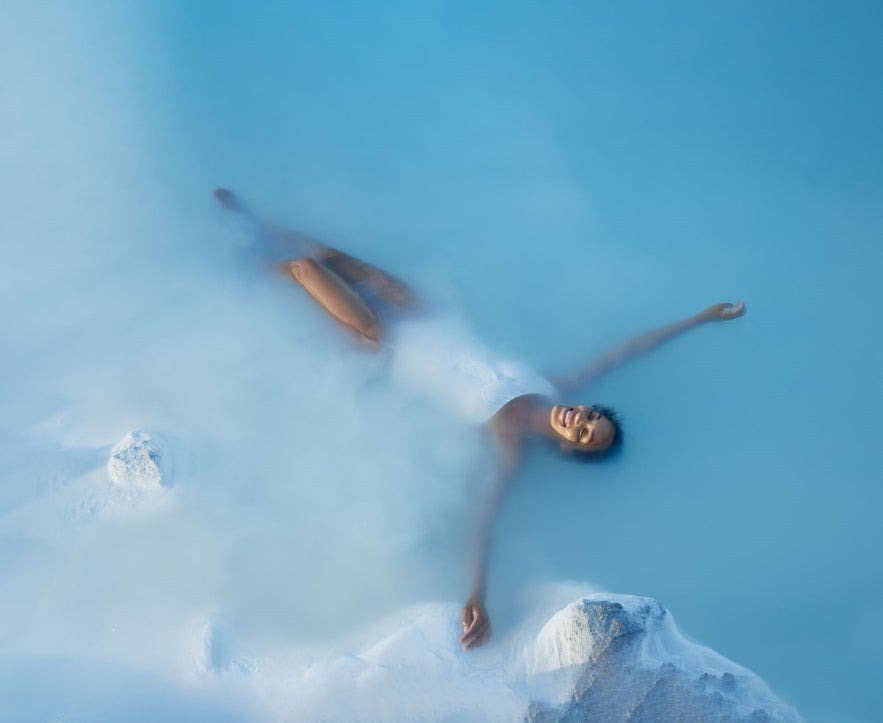 Soaking in hot water is one of the most relaxing things to do in Reykjavik in April. Swimming pools and hot spring spas are part of daily life in Iceland, where locals use them to meet friends and unwind. Public pools are affordable and family-friendly, while spas offer more luxurious settings.
April is a comfortable month to enjoy this tradition. The cool air makes the hot water feel even better, and longer daylight hours let you soak outdoors well into the evening. Remember that Icelandic pools have strict rules: you must shower without a swimsuit before entering.
Blue Lagoon
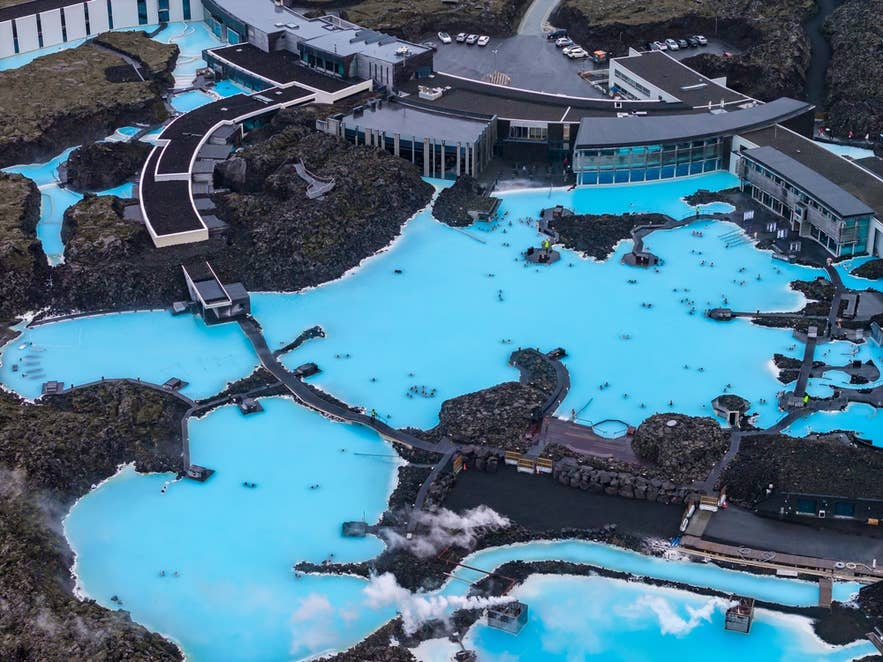 The Blue Lagoon is the country’s most famous geothermal spa and one of Iceland’s most iconic attractions. Its milky-blue water sits in a black lava field, creating a surreal landscape you won’t find anywhere else. Steam rises from the surface, and the minerals in the water leave your skin feeling soft after a soak.
Entry to the Blue Lagoon in April is especially comfortable. The cool spring air makes the hot water feel even warmer, and daylight lasts late into the evening. You can float with a silica face mask, order a drink at the swim-up bar, or try the on-site restaurants and luxury spa treatments.
Many travelers choose to visit on their way to or from the airport, since it is only 45 minutes from Reykjavik and close to Keflavik International Airport. You can also book a ticket with a convenient round-trip transfer from Reykjavik to the Blue Lagoon if you prefer to go on another day. Tickets must be booked in advance, as walk-ins are not allowed.
Sky Lagoon
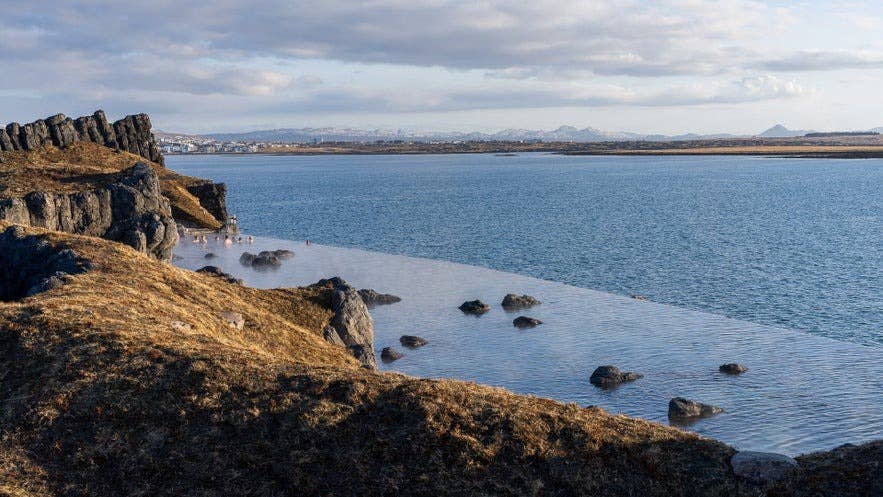 A Sky Lagoon ticket grants you access to a modern geothermal spa, designed to feel close to nature even though it’s about 15 minutes from Reykjavik. The infinity pool stretches toward the Atlantic Ocean, so you can float while looking at open sea views and distant mountains.
The highlight of the Sky Lagoon is the seven-step ritual. You move between hot and cold pools, a sauna with floor-to-ceiling ocean windows, a cold mist room, and a steam bath. The cycle leaves you refreshed and turns a simple soak into a full wellness experience.
If you're having trouble deciding which lagoon to try, we recommend reading our comparison of the Blue Lagoon and Sky Lagoon to learn more.
Hvammsvik Hot Springs
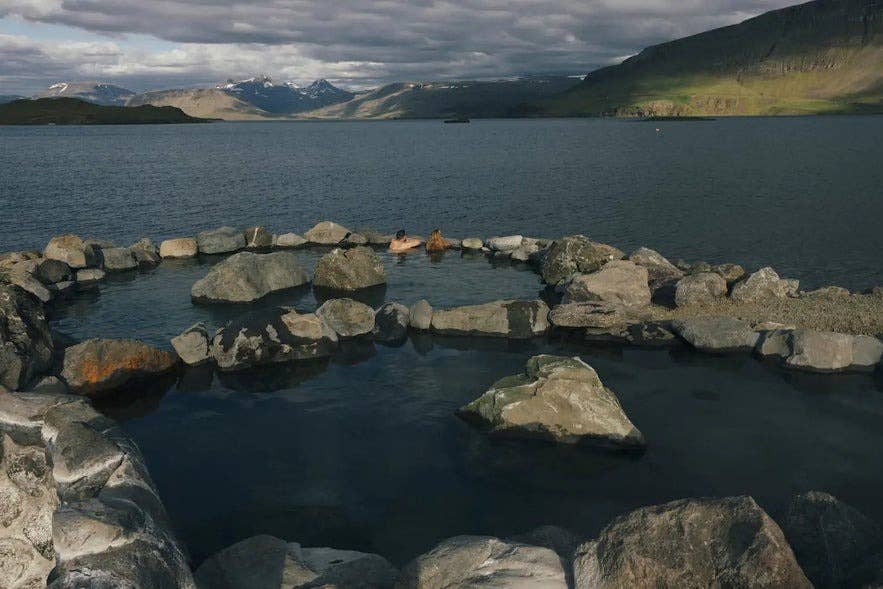 A ticket to the Hvammsvik Hot Springs offers one of the most scenic geothermal experiences near Reykjavik. Located about 45 minutes from the city, the resort sits in a quiet fjord surrounded by mountains, with pools built right into the shoreline.
In April, the Hvammsvik Hot Springs are especially peaceful. The fjord often feels empty, with only birds and the sound of waves in the background. The changing spring light shifts quickly, moving from golden sunsets to long blue evenings, which makes the views unforgettable.
Laugardalslaug Swimming Pool
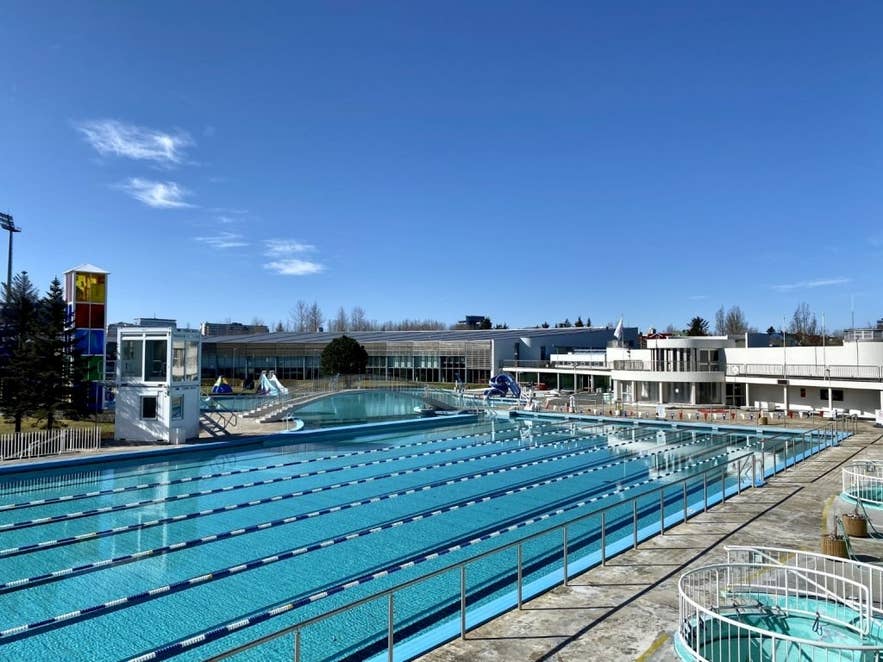
Laugardalslaug is Reykjavik’s largest public swimming pool and one of the best places to experience local bathing culture. The outdoor pools are heated, and there are several hot tubs, a steam bath, and even a small waterslide. In April, you can swim outside while the air is still crisp, which makes the hot tubs especially inviting.
Map of Top Places To Visit in Reykjavik in April
The map above highlights where to find the key attractions, landmarks, restaurants, bars, and cafes in Reykjavik. Each pin may include opening hours, descriptions, and travel tips to help you plan your visit.
Unique Things To Do in Reykjavik in April
 Once you have seen the main landmarks, there are still plenty of lesser-known things to do in Reykjavik in April. These local favorites are good for travelers who want a more relaxed side of the city, from cozy cafes and art spaces to nearby hikes and low-key evening activities.
-
Visit Kattakaffihusid Cat Cafe: Kattakaffihusid is a cozy cat cafe in downtown Reykjavik and a fun stop for animal lovers. You can order coffee, cake, or a light meal while spending time with friendly cats in a calm indoor setting. It is a good choice on a rainy April afternoon.
-
Have weekend brunch at Radagerdi near Grotta: Radagerdi Restaurant is a peaceful place for brunch near Grotta Lighthouse, away from the busiest parts of downtown. After eating, you can walk along the coast, enjoy views toward Faxafloi Bay, and look for seabirds along the shore.
-
Hike Moskardshnjukar near Reykjavik: If the weather is clear and you have proper gear, Moskardshnjukar is a rewarding mountain hike just outside the city. In April, there can still be snow and ice on the trail, so bring or rent spikes, dress warmly, and only go if conditions are safe.
-
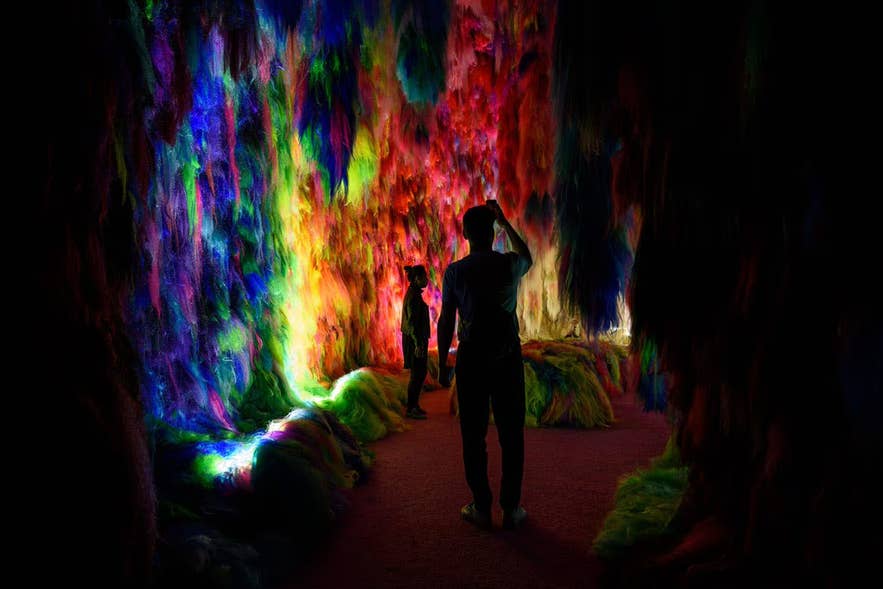
See the Chromo Sapiens art installation at Hofudstodin: Hofudstodin is an immersive art and culture space near Ellidaardalur Valley. Its colorful installation, Chromo Sapiens by Icelandic artist Shoplifter, is a playful indoor experience and a strong option if you want something different from the usual museums.
-
Try fine dining in a greenhouse in Hafnarfjordur: For a special meal outside downtown Reykjavik, visit the neighboring town of Hafnarfjordur for Icelandic dining in a greenhouse-style setting at Sol Restaurant. It is a memorable option for anyone who wants a quieter evening away from the main restaurant streets.
-
Play darts, shuffleboard, or games at Oche or Skor: Reykjavik has several casual activity bars where you can play games while having drinks with friends. Oche is known for darts, while Skor offers a sporty, social atmosphere. These are fun evening options in April when the weather is too cold for a long night walk.
Festivals, Events, and National Holidays in April in Reykjavik
Here are the main festivals and events in Reykjavik in April that you should know about:
-
Easter in Iceland: A festive holiday in Reykjavik. Locals celebrate with Paskaegg, large chocolate eggs filled with candy, sold in supermarkets. Travelers should expect closures during the holidays, though supermarkets and restaurants usually stay open.
-
First Day of Summer: Celebrated on the first Thursday after April 18, this parade marks the start of summer on Iceland’s traditional calendar. In Reykjavik, brass bands march through the city center, and families gather for this unique seasonal tradition.
-
Stockfish Film Festival: Taking place in late March or early April, this international festival showcases independent and arthouse films, many with English subtitles. Screenings and Q&A sessions bring visitors into Iceland’s cinema scene.
-
Children’s Culture Festival: This family-friendly event in April features workshops, performances, and interactive activities across the city. While designed for children, many events are enjoyable for adults too.
Practical Travel Tips for April in Reykjavik
 Reykjavik is easy to explore in April, but planning ahead makes your trip smoother. The city is walkable, day trips are popular, and conditions improve compared to winter. Here are the most useful tips for first-time visitors:
-
How many days to stay: 4 to 5 days if you want to explore Reykjavik and take day trips to the Golden Circle, South Coast, or Blue Lagoon. A shorter 1 to 2-day stay works if you plan to focus only on the city.
-
Best area to stay: Downtown Reykjavik is the most convenient base. You can walk to landmarks like Hallgrimskirkja and Harpa, enjoy the city’s cafes and shops, and join most tours that pick up from central hotels or bus stops in Reykjavik. Staying downtown is more expensive, but you save time and transport costs.
-
Transport and driving: Reykjavik itself is walkable, and local buses cover the rest of the city. For day trips, you can opt for rental cars or join guided tours.
-
Packing list: Important things to pack for your Iceland trip include layers, starting with a thermal base, then a fleece or sweater, and a waterproof outer jacket. Sturdy waterproof boots are useful for wet or icy ground. Accessories like gloves, a scarf, and a hat help with the wind. A swimsuit and a quick-dry towel are essential for hot spring and public pool visits.
-
Currency and discounts: The currency is the Icelandic Krona (ISK). Credit and debit cards are accepted almost everywhere, so you rarely need much cash. Tourists can claim VAT refunds on purchases over a set amount, which is easiest to process at the airport before departure.
-
Internet: Free Wi-Fi is common in hotels, cafes, and even buses. Mobile data is reliable across most of Iceland, so buying a local eSIM or using roaming works well.
-
Language: Nearly everyone in Reykjavik speaks English, but learning a simple greeting like takk (“thank you”) is appreciated.
Have you visited Reykjavik in April, or are you looking forward to a spring trip soon? Share your experiences or plans below!

I was born on the west side of Reykjavík and grew up downtown, so Iceland has been my back yard for most of my life. I'm a father of two, I've traveled on five continents, and I still haven't found a country that holds my attention the way this one does.
That's why I co-founded Guide to Iceland. We connect travelers directly with Icelandic operators, guides and hosts, so the advice and the services both come from people who actually live here.
I write about the practical side of a trip: what eating out in Reykjavík really costs, whether to pick Sky Lagoon or Hvammsvík, where to stop for food along the Ring Road, and which regions give you the best odds of clear skies for the northern lights. If you're planning a trip and something doesn't add up, message me.