Buying property in Iceland is a big step, but the process is simpler than it looks. This guide covers who can buy, the steps, current prices, the fees, and where to find homes. Keep reading to start your search the right way.
Foreigners can buy property in Iceland. Citizens of the European Economic Area (EEA) who live here buy on the same terms as Icelanders. Buyers from outside the EEA usually need permission from the Ministry of Justice. The main steps are getting a Kennitala, arranging financing, and choosing the right location.
Exploring different stays in Iceland is a smart first step. It gives you a feel for the housing styles and regions before you commit.
Why You Can Trust Our Content
Guide to Iceland is the most trusted travel platform in Iceland, helping millions of visitors each year. All our content is written and reviewed by local experts who are deeply familiar with Iceland. You can count on us for accurate, up-to-date, and trustworthy travel advice.
If you are planning to relocate, you can read our guides on how to move to Iceland and how to find a job in Iceland. It also helps to learn the basics of the Icelandic language before you arrive.
Booking a vacation or trying a few self-drive tours is a great way to get to know the country first. Areas like the Golden Circle can help you picture where you might live. You may want a permanent home, or an investment property to rent to visitors.
Key Takeaways
-
Foreigners can buy property in Iceland. Non-EEA citizens who do not live here usually need special permission from the Ministry of Justice. This permit covers one property of up to 3.5 hectares.
-
Capital-area prices are high. The Reykjavik region's median apartment sold for about 72 million ISK in early 2026. More affordable options are found on the edge of the capital region and in regional towns.
-
Foreign buyers without income in Icelandic krona often need a larger down payment, around 30-50%. Short-term rental, like Airbnb, is tightly regulated.
Buying Property in Iceland as a Foreigner
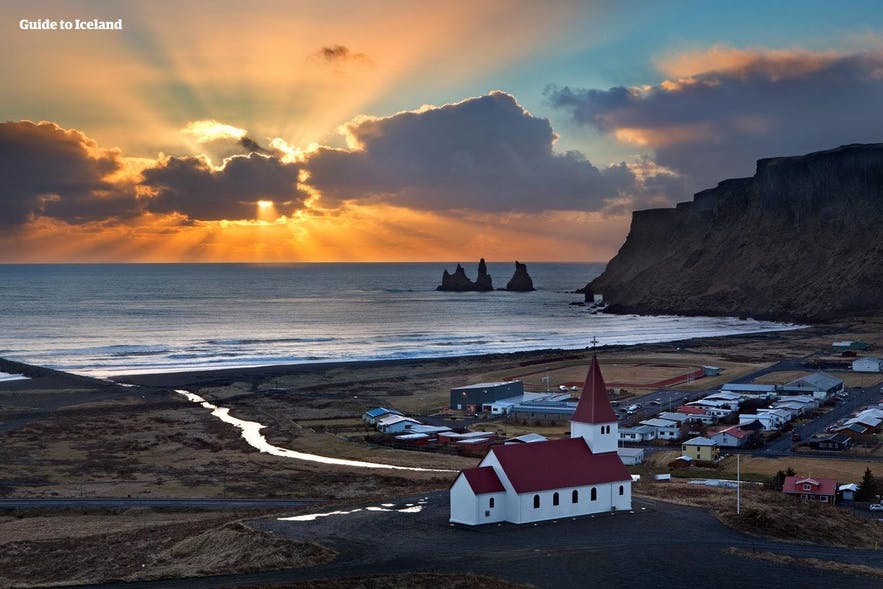
Foreigners can and do buy property in Iceland, and interest from abroad is strong. Americans are the largest group of visitors to Iceland, at more than 29% of arrivals in 2025. The British follow, and the US is also a leading source of foreign buyers.
Many buyers are Icelanders living abroad who want a second home in their home country. Foreign interest has grown since the country recovered from the 2008-2011 financial crisis. A growing population and strong tourism economy support this trend.
The key rule for non-residents is approval from the Ministry of Justice. This ministry handles civic matters like immigration and personal rights. Under Iceland's rules on foreign nationals' real property rights, the requirements are as follows:
-
EEA citizens legally domiciled in Iceland can buy real estate on the same terms as a natural-born citizen.
-
Non-EEA citizens who plan to stay more than three months must first get a residence permit from the Icelandic Directorate of Immigration.
-
A non-EEA buyer who does not live in Iceland can still buy with special permission from the Ministry of Justice. This is usually granted when the property is used for business or the buyer has a close link to Iceland, such as marriage to an Icelandic citizen. The permit covers one property of up to 3.5 hectares, and the buyer may not already own other property here.
Every buyer also needs a Kennitala. This is the Icelandic ID number used for property deals, work, banking, healthcare, and taxes. Non-EEA nationals get one automatically once their residence permit is approved.
It is worth spending time in Iceland before you buy, even if you will not live here full time. This helps you learn the market and how prices change across regions.
How to Buy Property in Iceland: Step-by-Step
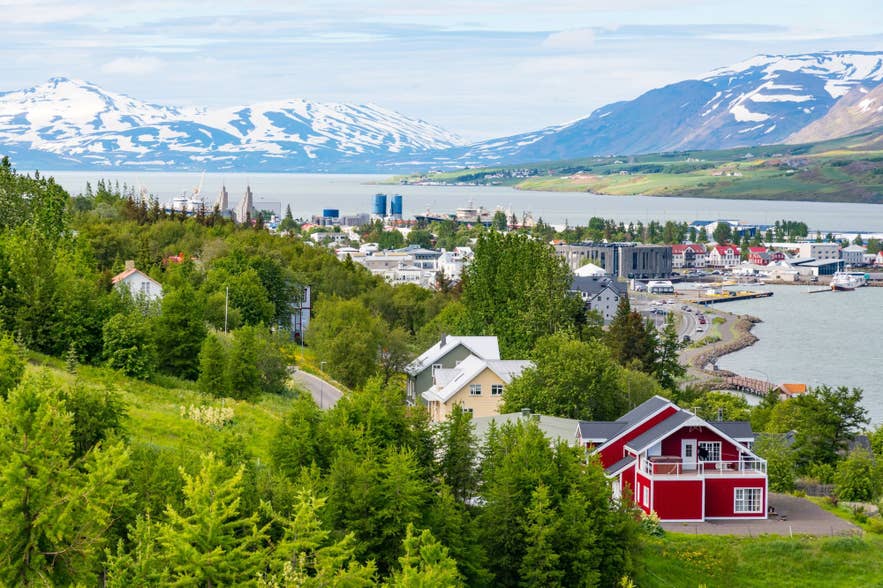 Buying property in Iceland involves several key steps:
-
Check whether you need permission. Non-EEA buyers who do not live in Iceland apply to the Ministry of Justice. EEA citizens resident in Iceland can skip this step.
-
Get a Kennitala. An Icelandic ID number is essential for any property transaction.
-
Arrange financing. Icelandic banks like Landsbankinn and Islandsbanki lend less to buyers whose income is not in krona, and often ask for a 30-50% down payment. State-backed HMS housing loans are only for owner-occupied homes, so many buyers use private banks or finance from abroad.
-
Find a property. Work with a licensed local real estate agent (loggiltur fasteignasali) to explore listings.
-
Make an offer and sign a contract. Once the seller accepts, both parties sign a purchase agreement (kaupsamningur).
-
Pay fees and taxes. Expect an agent's fee (1.5-2.4%), stamp duty (0.8% of the official valuation, or 0.4% for first-time buyers), and a registration fee (0.1%).
-
Register the deed. Submit the paperwork within two months of signing to register the property in your name.
Property Prices in Iceland by Region
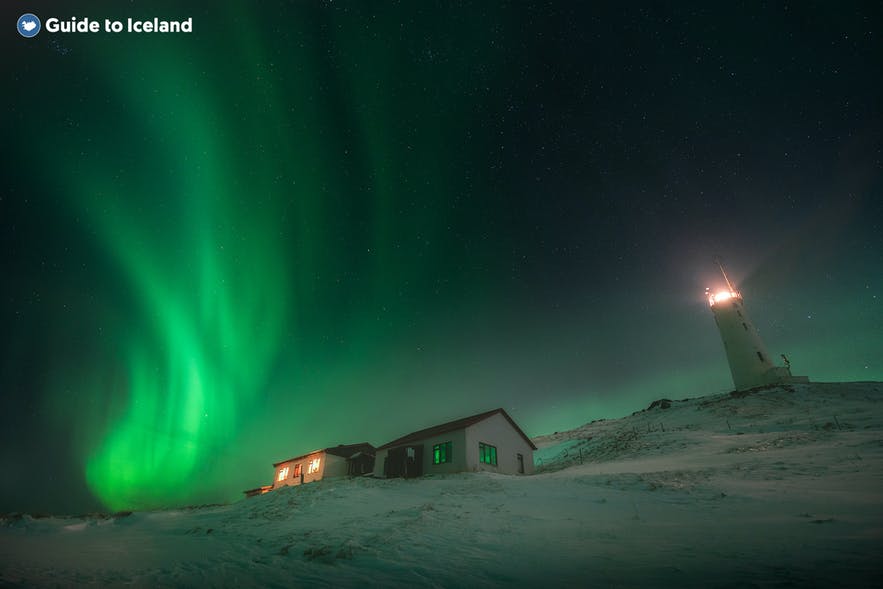 House prices vary widely between Iceland's regions and reflect local population trends. Over time, Icelandic property values have climbed steadily. Four main factors drive this: the economy, interest rates, demographics, and a shortage of housing. The market cooled and steadied through 2025 and into 2026 as borrowing costs rose.
You should weigh all of these before you buy and before moving to Iceland. Relocating takes real planning, like securing housing and finding a job in Iceland. One long-running factor is the trend of rising property prices, tied to Iceland's growing population and visitor numbers.
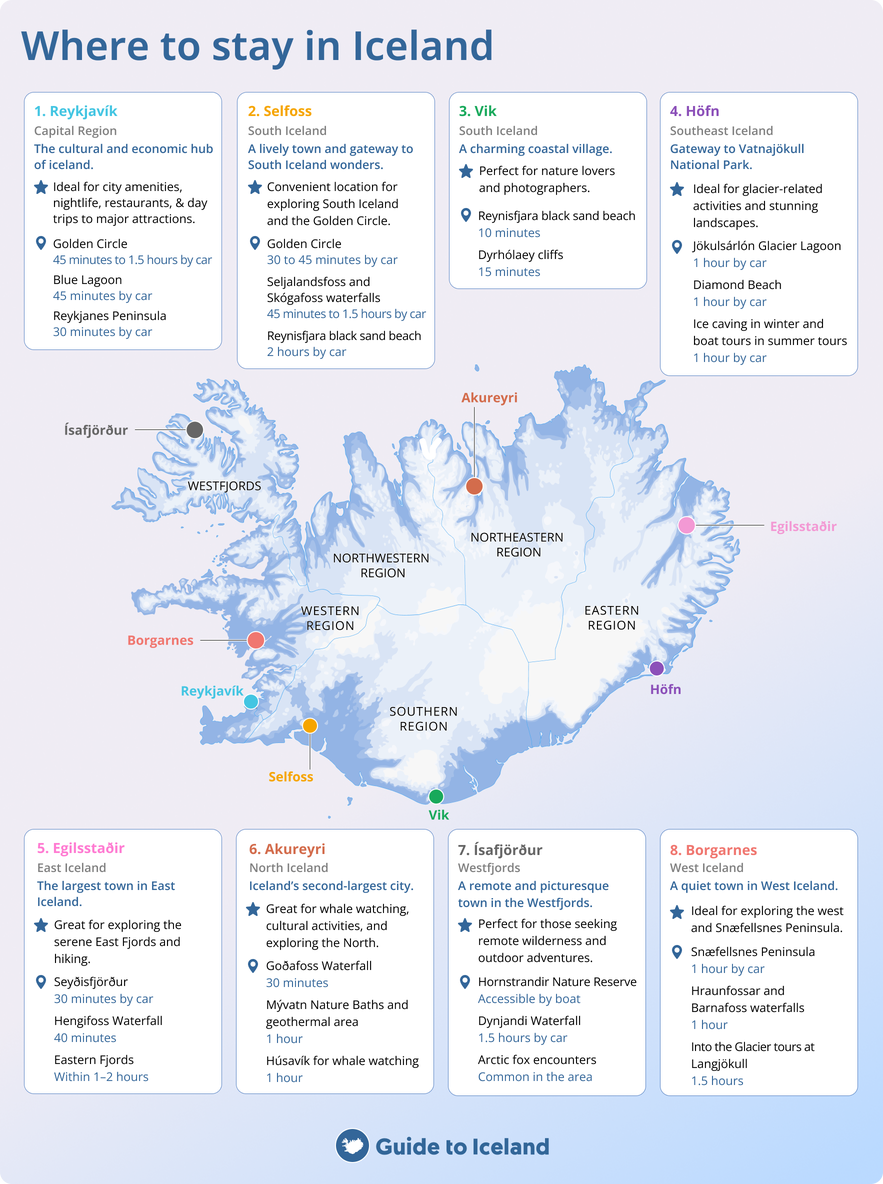
As expected, the capital, Reykjavik, costs more than smaller towns. In early 2026, the median price in the capital region was about 72 million ISK (around 580,000 USD) for an apartment. A detached house was around 148 million ISK (around 1.19 million USD).
Apartment prices were roughly flat compared with a year earlier. Even so, Reykjavik real estate remains expensive by any measure.
The cheapest parts of the capital area are the towns of Hafnarfjordur and Mosfellsbaer. Both sit on the city's outskirts. Less property is available closer to downtown, which follows the expected trend.
In recent years, construction in the capital has not kept up with demand. This has helped keep prices high.
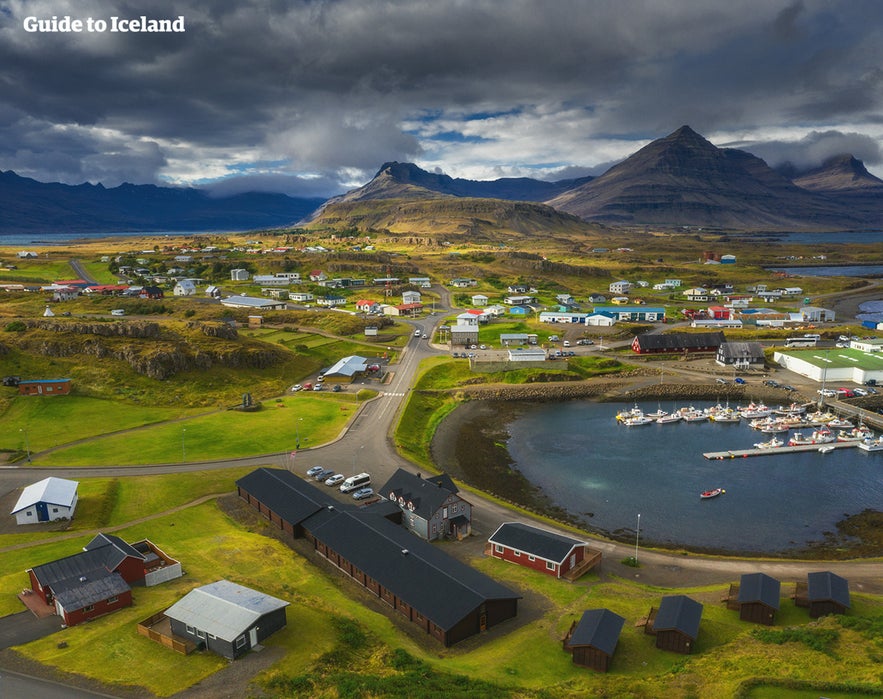
Akureyri in North Iceland is popular with property buyers. It offers a lively community, beautiful surroundings, and good amenities. As the largest town outside the capital area, it suits people who want a developed yet scenic base.
Egilsstadir is the most expensive town to buy property in East Iceland. It has the region's largest population, about 2,500 people. It also has nearby amenities, including a hospital, a college, and an airport.
The cheapest area to buy property is the sparsely populated Westfjords. In the past, local municipalities even gave out building lots for free to grow the population.
Costs, Fees, and Taxes When Buying Property
 Beyond the purchase price, budget for a few one-off costs. For an individual buyer, total transaction fees usually come to about 2-4% of the property's value:
-
Real estate agent's fee: usually between 1.5% and 2.4% of the price.
-
Stamp duty: 0.8% of the property's official valuation (fasteignamat). First-time buyers pay half, at 0.4%. A small fixed minimum charge also applies.
-
Registration fee: around 0.1% of the property's value.
Stamp duty is based on the official valuation, not the purchase price. You must register the documents within two months of signing. Factor these costs in before you make an offer.
Renting Out Property in Iceland on Airbnb
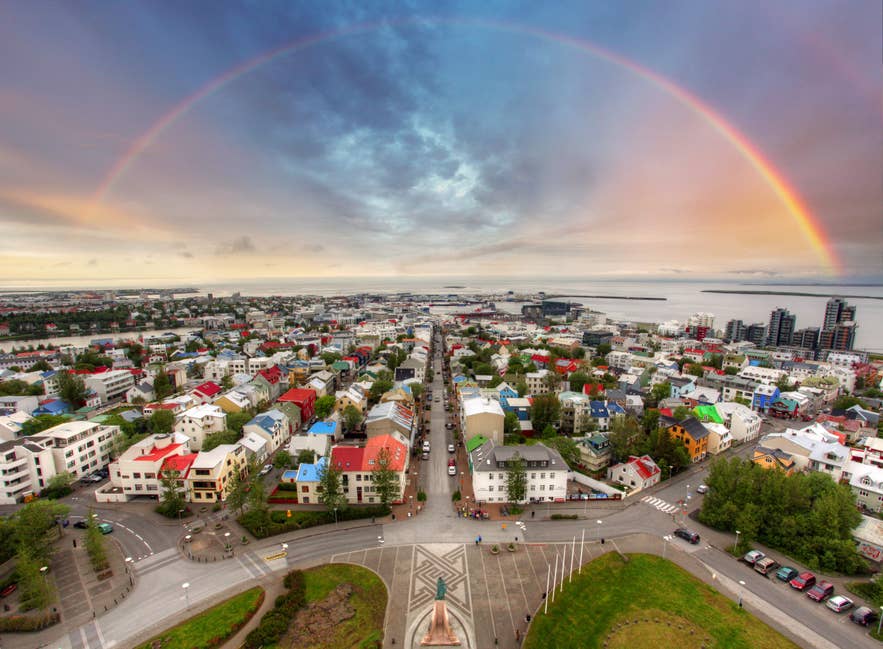 Many buyers want an investment property to rent to visitors. Iceland allows this, but the rules for short-term rentals are strict. The aim is to protect housing supply, especially in Reykjavik.
Most private hosts use the "home accommodation" route, known as heimagisting ("homestay" in English). You register with the local district commissioner (syslumadur) and get a home accommodation registration number. This number must appear in every listing. Registration costs 9,200 ISK and is renewed each year.
Home accommodation comes with clear limits:
-
You can rent your legal home or one other property you own.
-
You can rent for up to 90 nights per calendar year.
-
Your gross rental income must stay under 2,000,000 ISK (about 16,000 USD).
-
Each property can have up to 5 rooms or space for 10 guests.
Go over the 90 nights or the income cap, and the rental counts as a business. You then need a business operating license, and the income is taxed as business income. Hosts also collect a lodging tax on each booking.
Enforcement is real. The district commissioner can fine hosts up to 1,000,000 ISK for breaking the rules, such as renting for too many nights or leaving the registration number off a listing. Lawmakers have also moved to tighten short-term rentals further, with a focus on people renting out their own legal homes.
Where to Find Properties for Sale in Iceland
 A great place to start is by browsing local real estate websites. Working with an agent is highly recommended, especially for international buyers. Still, locals often search listings themselves before they reach out to an agent.
Here are some popular websites to explore available properties:
-
Fasteignir Visir: A widely used platform with property listings across Iceland.
-
Mbl.is: Offers a broad selection of homes, apartments, and commercial properties.
-
Fasteignaleitin: A comprehensive search engine for real estate listings in Iceland.
Browsing these sites gives you a sense of the market, price trends, and options. Once you find a property you like, a local agent can help you negotiate and handle the legal steps.
Working With Real Estate Agents in Iceland
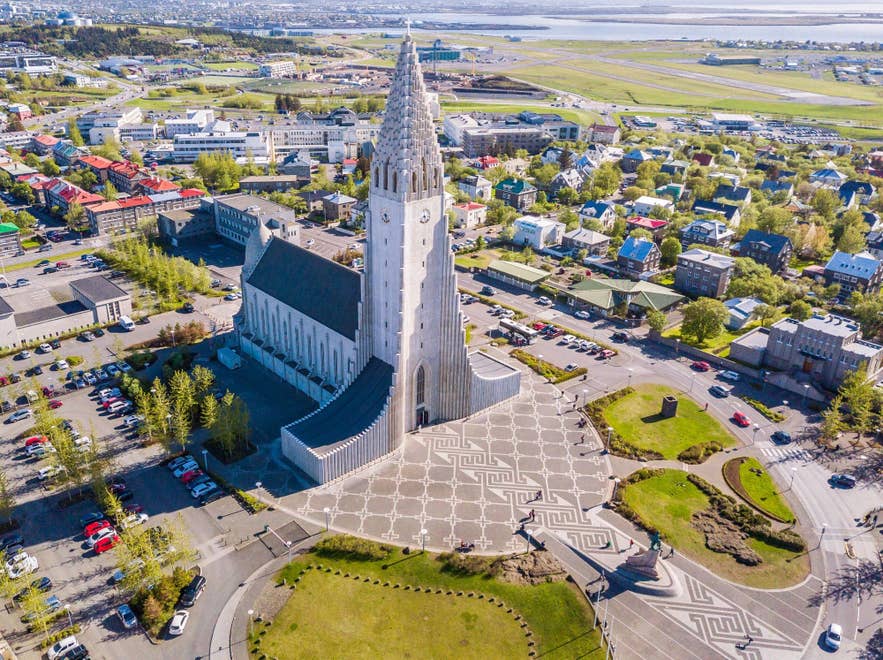 You will likely want a local, English-speaking real estate agent to buy property in Iceland. They offer insider knowledge and access to listings. In Iceland, agents must be licensed (loggiltur fasteignasali), which adds consumer protection.
A good agent has a strong sense of the homes for sale in Iceland. They can guide you through the offer, the purchase agreement, and the registration. Their fee of 1.5-2.4% is covered in the costs section above.
Building a House in Iceland
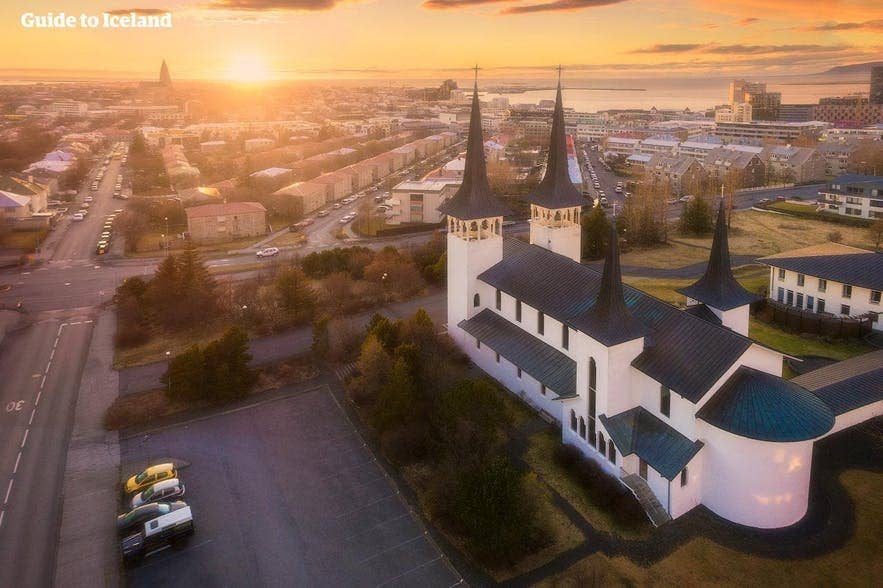
Speak to local Icelanders, and you will often hear that an ancestor built their family home. This has shaped the island's unique architecture. Many homes show the Icelandic knack for blending beauty with the surrounding nature.
This do-it-yourself approach has become far more regulated over time. Even so, plenty of options remain for those who want to start with an empty lot, some blueprints, and a head full of ideas.
To build, rebuild, or extend a property, you must get a building permit from the local municipality's building inspector. The inspector checks with various committees to confirm the project meets all construction rules before granting a permit.
Within Iceland's national parks, namely Thingvellir, Vatnajokull, and Snaefellsjokull National Park, new construction is heavily restricted. Building inside park boundaries is generally banned. Any approved work needs a permit from the relevant park authority to protect the natural environment.
Reasons to Buy Property in Iceland
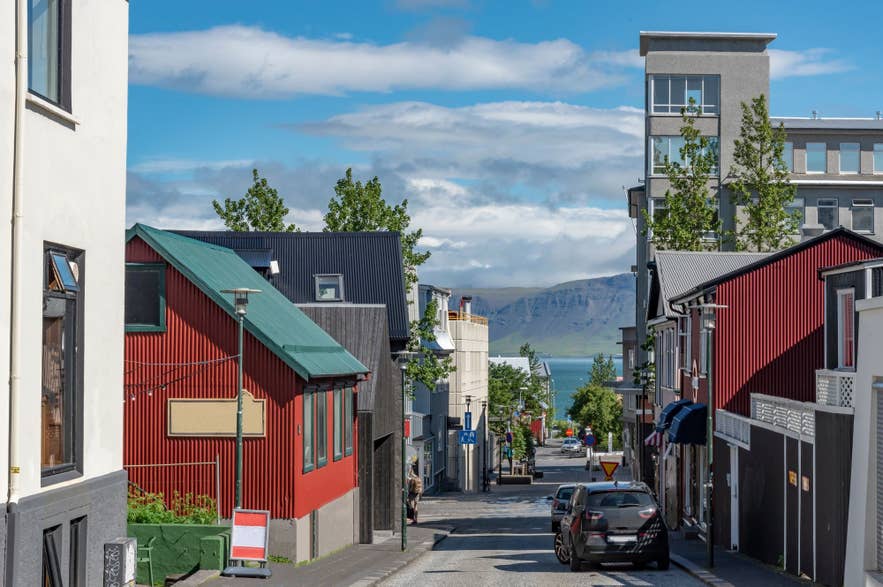 If you plan to live in Iceland, the benefits are clear. The country is known for its scenery, creative culture, and strong safety record. It is one of the safest and most beautiful places to live. There are also plenty of reasons to visit long before you settle down.
Daily life has its own charm too. You will find small comforts that locals take for granted, along with the weird and wonderful sides of Icelandic culture.
For all its natural beauty, Iceland has limited urban development. This reflects its small population of about 394,000 people. Buying property here is also an investment in the country's future.
Iceland is no longer cut off from the wider world. It now draws major interest from abroad, and that brings more funding. Despite the slow pace of construction, urban development here is still in its early stages.
Experience Iceland Before You Buy
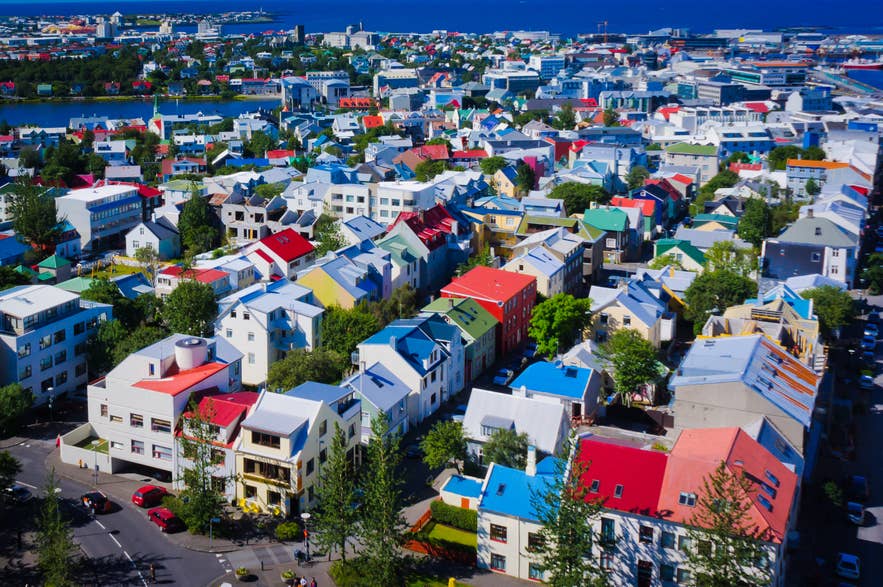 Buying property in Iceland is an exciting move. You might want a permanent home, a vacation retreat, or an investment. Before such a big decision, explore the country to get a real feel for its landscapes, communities, and lifestyles.
Guided multi-day tours are one of the best ways to do this. They let you experience different regions firsthand. Options include a South Coast of Iceland tour from Reykjavik or a 5-day northern lights winter package.
Traveling around Iceland by rental car or with expert guides gives you real insight into where you would love to live. It makes your property purchase a more informed and rewarding choice.
外国人可以在冰岛买房产吗?
冰岛的平均房价是多少?
美国公民可以在冰岛生活吗?
作为外国人,我可以在冰岛申请房贷吗?
冰岛有房产税吗?
我可以在冰岛买房作为投资吗?
在冰岛买房最好的区域有哪些?
购房流程需要多久?
在冰岛生活有什么缺点吗?
非欧洲经济区(EEA)公民可以在冰岛买房产吗?
Have you thought about buying property in Iceland? What is your biggest question about the process? Let us know in the comments.

Michael Chapman is a British travel writer living in Reykjavík. A former scuba and lava cave guide, he draws on firsthand experience to write about Iceland’s nature and culture. He’s also the author of Hidden Iceland (2020).