This complete first-timer’s guide covers the best time to visit, the weather to expect, what to pack, the local currency, how to save money, and the essential travel tips you need to plan the perfect trip. Keep reading to start planning your first trip to Iceland.
Iceland packs glaciers, volcanoes, waterfalls, geothermal hot springs, black-sand beaches, and the northern lights into one compact island. With so many things to do in Iceland, planning a first visit can feel overwhelming, so this guide breaks the big decisions down step by step.
Why You Can Trust Our Content
Guide to Iceland is the most trusted travel platform in Iceland, helping millions of visitors each year. All our content is written and reviewed by local experts who are deeply familiar with Iceland. You can count on us for accurate, up-to-date, and trustworthy travel advice.
The first is how long to stay. Our study on how many days you need in Iceland can help you choose a trip length that fits your itinerary. Then decide where to base yourself: stay in Reykjavik for day trips, or drive the full Ring Road on self-drive tours.
Next is how to get around: renting a car gives you the most flexibility, while guided tours take the driving and planning off your plate. You’ll also want to decide when to go, since the weather and daylight shift a lot between summer and winter.
From booking accommodation and knowing what to pack to budgeting for a famously expensive country, this guide walks you through everything a first-time visitor needs. Members of the Guide to Iceland VIP Club can save even more with exclusive offers and discounts.
Whether you want to tick off Iceland’s most iconic sights or seek out quieter, lesser-known spots, read on to start building your perfect first-time itinerary.
- Discover the 18 Things To Do & Places to Visit In Iceland
- See also: Applying for a Travel Visa to Visit Iceland - A Handy Guide
Best Time to Visit Iceland
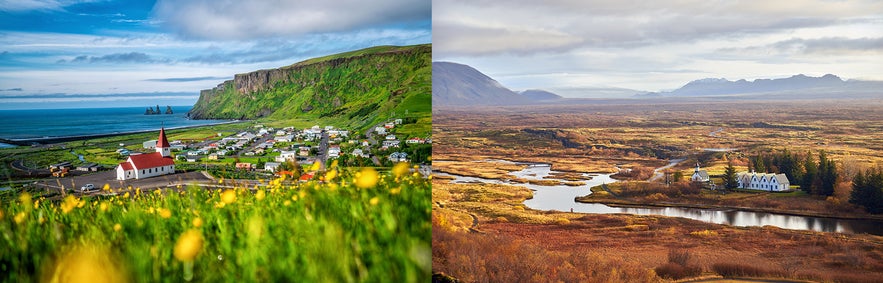
Each season offers a different experience in Iceland, so the best time to visit depends on the activities you have in mind. Whether you’re planning summer self-drive adventures or want to book northern lights tours, here’s what each season offers.
Summer is Iceland’s high season and, for many travelers, the best time to visit. The long days and the midnight sun mean you can explore around the clock. It’s a great time to tackle the Ring Road, as all roads and trails are accessible and the weather is milder.
The green summer landscapes and long days are ideal for hiking, camping, and Iceland’s festivals. Since summer is peak season, though, expect the major attractions to be busier.
Fall brings autumn colors to Iceland’s landscapes, especially in September when the countryside turns gold. Crowds thin out while temperatures stay comfortable for exploring, and the darkening evenings bring the first chances to see the northern lights.
- Check out the ultimate guides to Iceland in Summer and Iceland in Fall
- For an in-depth look, see When Is the Best Time to Visit Iceland?
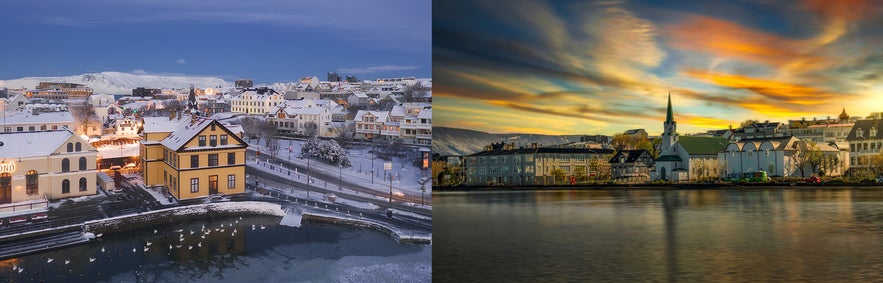
Winter covers Iceland in snow and is a quiet time to visit. With long hours of darkness, it’s the prime season for the northern lights, and the holiday season brings lights and events around Reykjavik.
Spring is a season of transition, when the snow melts and rivers swell with glacial runoff. The weather grows milder and the days longer, and you can still catch the northern lights in early spring.
It’s also when Icelandic wildlife reappears: fields fill with newborn lambs, and migratory birds like puffins return to nest along the coasts. Spring is a quieter time to visit, ideal for enjoying popular sites without the summer crowds.
- Learn more about Iceland in Winter and Iceland in Spring
- See more: Northern Lights in Iceland - When & Where To See the Aurora
Main Things to See and Do in Iceland
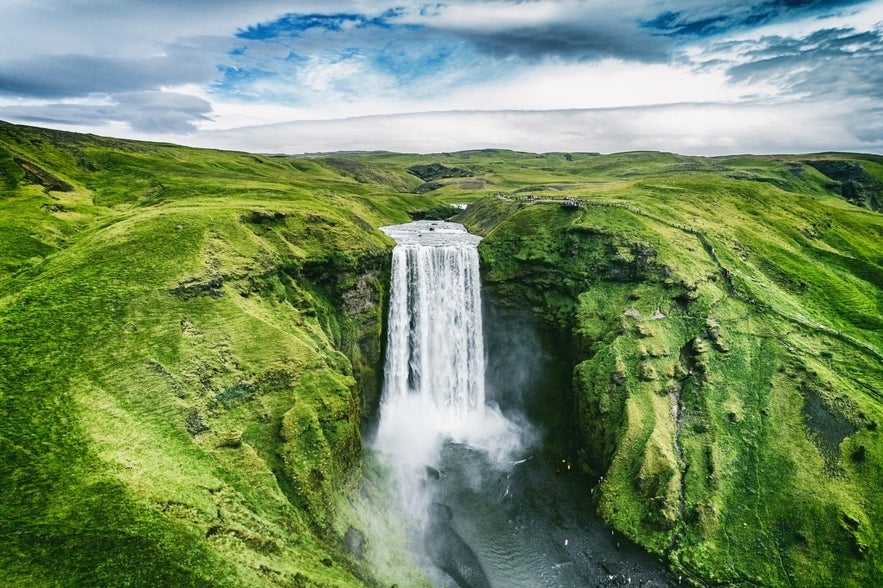
The honest answer to “What should I see in Iceland?” is everything, but that isn’t realistic on a first visit. You won’t experience everything Iceland has to offer in one trip, even with tours of the Ring Road that include the Snaefellsnes peninsula and the Westfjords.
For a first visit, get to know the main sights along the Golden Circle route and the South Coast. With an extra day or two, add tours of the Snaefellsnes peninsula. With more than a week, you can see the main sights along the Ring Road.
You’ll want to enjoy what Reykjavik has to offer, but take time for nature too. Go on hiking tours, explore glaciers, and don’t forget to experience Iceland’s bathing culture.
- See also: How Many Days to Spend in Iceland
- Discover the Best Attractions by the Ring Road of Iceland
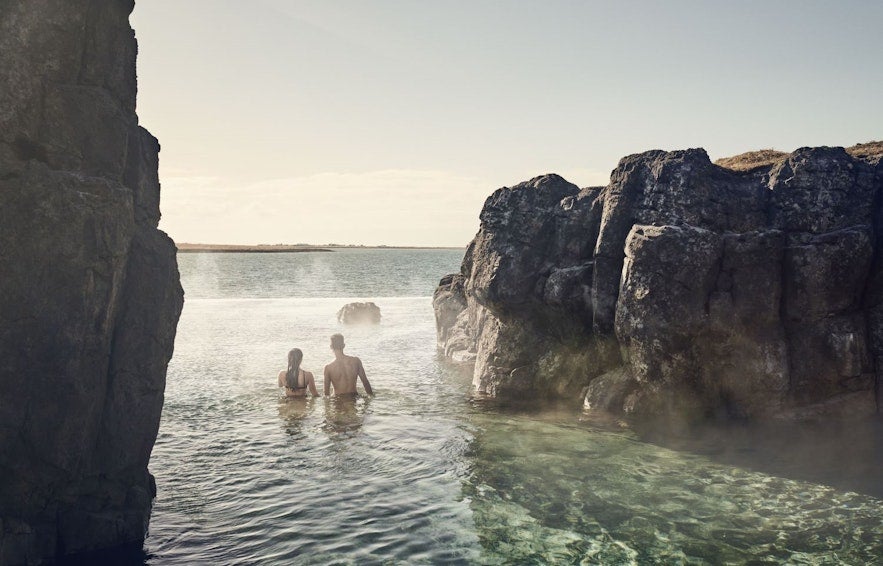
Icelanders have plenty of geothermal hot water, which supplies swimming pools all around the country. Because learning to swim is part of the Icelandic education system, even small towns have a warm pool, usually with at least two hot tubs.
This love of soaking in warm water has led to more upscale bathing spots opening in recent years, and there is now a wide choice of hot springs and lagoons.
While the Blue Lagoon and Sky Lagoon are top stops for a first visit, there are great options all around Iceland. The Hvammsvik Hot Springs are increasingly popular thanks to their natural setting and closeness to Reykjavik, and no visit to North Iceland is complete without stopping at the Forest Lagoon.
If you're comparing geothermal bathing options, our study of the most recommended hot springs in Iceland looks at popular spots based on traveler feedback.
- See the 30 Best Hot Springs and Geothermal Pools in Iceland
- Check out: Top 14 Things to Do in Reykjavik
What to Know About the Weather in Iceland
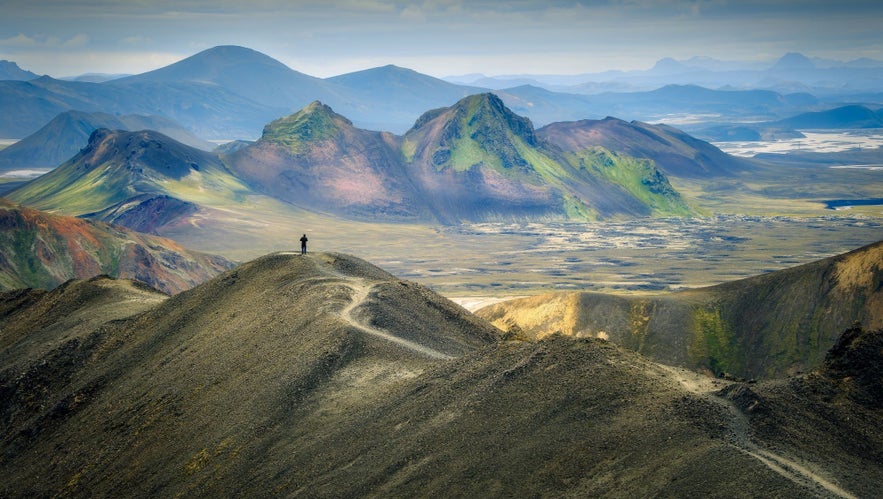
Iceland’s weather is famously unpredictable, and locals sometimes say you can get all four seasons in a single day. The island sits just below the Arctic Circle, so temperatures are cool year-round, but the Gulf Stream keeps it from getting as cold as other places at similar latitudes.
Summer weather is relatively mild, with Reykjavik averaging 49 to 59°F (9 to 15°C) between night and afternoon in July. Conditions are generally stable, which makes it easier to plan hiking and remote-area trips, and most roads, including those to the Highlands, are open. Quick weather shifts are still possible, but you can explore without much concern.
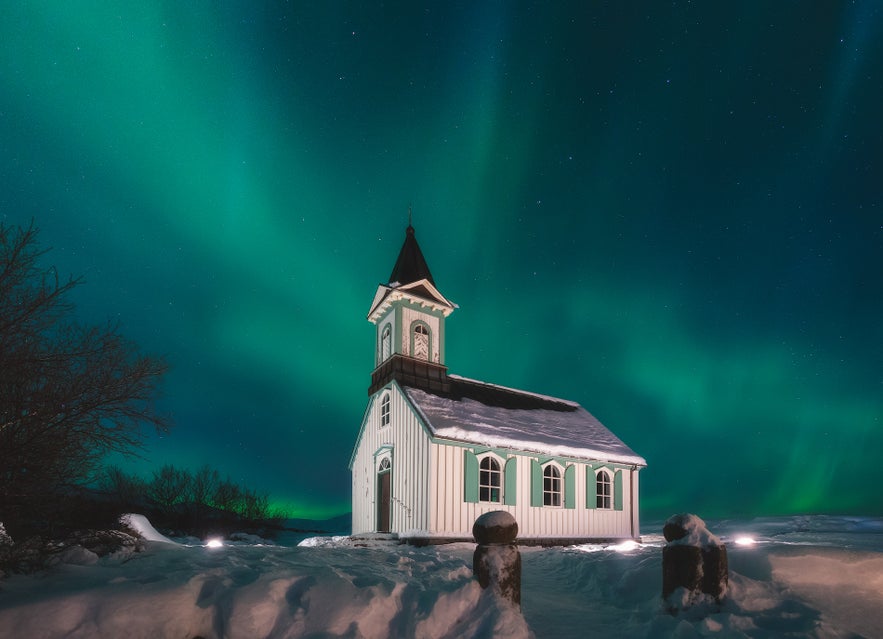
Winter on the coast is milder than the name suggests. Reykjavik's coldest month still averages above freezing, according to our study of the warmest month in Iceland, and about half of its January mornings bring ice. The inland Ring Road between Lake Myvatn and Egilsstadir runs about 10°F (6°C) colder, which is one reason guided winter tours suit a first visit.
Snowfall can be heavy, especially in the North and Eastfjords, and many parts of the Westfjords are largely inaccessible. Expect regular strong winds, icy roads, and snow, so if you’re considering winter self-drive tours, keep your itinerary flexible.
- Learn about the Weather & Temperature in Iceland
Account for Daylight Hours in Iceland
Daylight in Iceland varies dramatically with the seasons and can shape your travel plans, so it helps to know how long the days are before you go.
In winter, especially from November to January, daylight lasts about 4-5 hours a day, roughly 11 AM to 4 PM. This short window takes careful planning to make the most of the light for sightseeing. Early sunsets are excellent for the northern lights, but it’s wise to schedule major excursions in daylight for safe travel on icy roads.
Summer brings the midnight sun, with nearly 24 hours of daylight from June through early July. The extended light lets you explore at any hour. For a summer visit, bring an eye mask, since constant daylight can disrupt sleep, and adapting will make your trip more enjoyable.
- Learn more with the Complete Guide to the Midnight Sun in Iceland
Staying Safe in Iceland
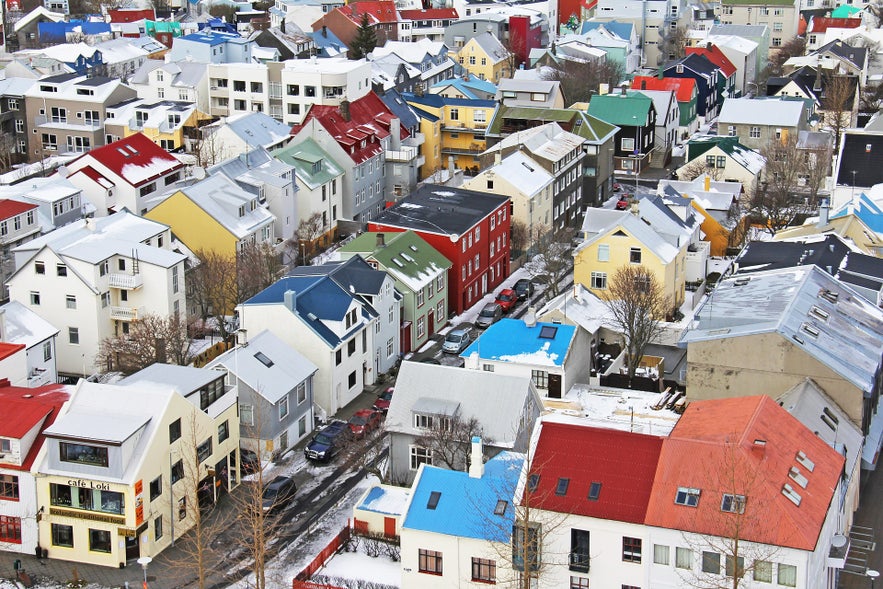
Iceland has long been considered the safest country in the world, with very low crime rates, which makes it an excellent destination for first-time travelers. As anywhere, a little preparation and common sense go a long way.
The main crime visitors should be aware of is pickpocketing, which has become more common since 2025 in downtown Reykjavik and at the busiest attractions. Keep bags zipped, store phones and wallets in secure pockets, and never leave valuables visible in your rental car. For more, see our guide to travel safety in Iceland.
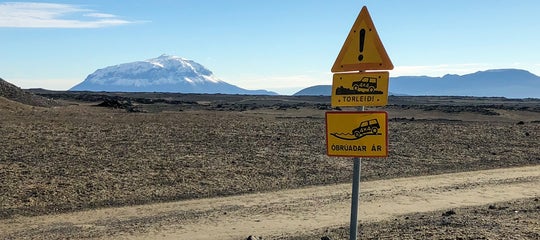
Beyond that, the biggest safety risks in Iceland come from nature rather than crime. The weather can change in minutes, and strong winds, icy roads, and rugged terrain call for extra care, especially when hiking or driving.
If you’re exploring the countryside in summer, watch for sheep grazing near the roads. They often wander onto the roadway unexpectedly, so slow down and stay alert on rural routes.
Before setting out, check the latest weather and road conditions, respect closures and warning signs, and dress for changing conditions. These simple precautions will help you enjoy a safe trip anywhere in Iceland.
What to Pack for Iceland
Packing for Iceland is all about layers and weather-resistant clothing, whatever the season. Start with a good base layer, add insulating layers like fleece, and top it with a waterproof jacket and pants.
If you’re heading outside Reykjavik, you’ll need durable, waterproof boots, especially for waterfalls, glaciers, and hiking trails. Don’t forget warm accessories like hats, gloves, and thermal socks, even in summer, as the weather can change quickly.
Beyond clothing, keep a few things in mind. Check whether you need a converter or power adapter for your electronics, and consider a local SIM card for your phone.
Bring hand cream, lip balm, and sunscreen to protect against windchill and sun glare, and if you’re visiting in winter, pack sturdy crampons for your boots.
If your main goal is landscape or northern lights photography, bring a sturdy tripod, a spare battery, and any lenses you need. If you plan to bring a drone, check our guide to flying drones in Iceland for the latest regulations.
- Learn What to Wear in Iceland: The Ultimate Guide for All Seasons
- See also: What To Pack for Iceland for All Seasons
- Not sure if you need an adapter or converter? Check out Electricity in Iceland: A Practical Guide
What to Know About Languages in Iceland
Icelandic is the official language of Iceland, and it’s notoriously difficult to learn. Don’t worry, though: you won’t need a language course before your visit, as you’ll get by just fine with English.
Icelandic traces its roots to Old Norse, and Icelanders take great pride in preserving it, but you’ll find that most people speak very good English. That makes communication straightforward for international travelers.
Signs and restaurant menus are usually in both Icelandic and English, but learning a few phrases like Takk (thank you) or Góðan daginn (good day) is a nice gesture and is usually appreciated. It also helps to get familiar with the names of the places you plan to visit.
- Learn more about the Icelandic Alphabet and Language Basics
What to Know About the Icelandic Currency
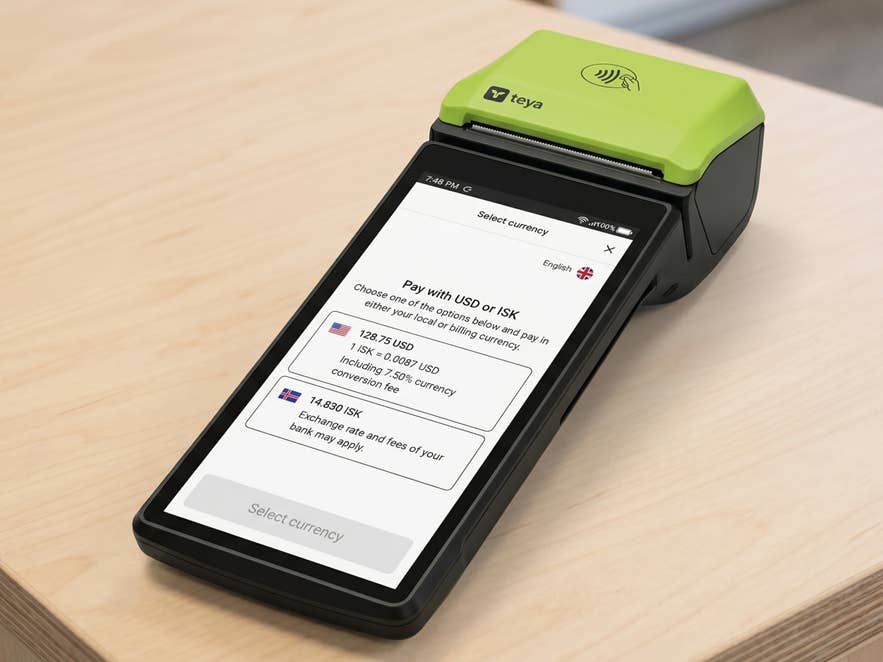
The Icelandic krona (ISK) is Iceland’s official currency, and foreign currencies are rarely accepted, even in tourist areas. Luckily, Iceland is highly card-friendly, and most payments, from restaurants to small shops, can be made with a credit or debit card. Just make sure your card has a PIN, as some self-service gas stations require it.
When paying by card, you may be asked whether to use your home currency or ISK. Your home currency can seem more convenient, but it often adds conversion fees set by the payment provider. Choosing ISK lets your own bank handle the exchange, which usually gives a better rate and avoids extra charges.
Although cards are widely accepted, it’s still useful to carry a little cash for places like flea markets or public restrooms that may need coins. With a bit of preparation, managing money in Iceland is simple.
How to Save Money in Iceland

You may have heard that Iceland is an expensive destination, and it’s true. It helps to save up before arrival so you can enjoy your trip with less stress, but there are plenty of ways to make your visit more budget-friendly.
One is to book through Guide to Iceland and use your VIP Club membership.
Get Groceries and Take Advantage of Discounts

Eating out is expensive in Iceland, so you may want accommodation with a kitchen. You can book a holiday apartment, a cottage, or an affordable hostel and cook your own meals, shopping at low-cost supermarkets like Kronan.
If you’d like to eat out, there’s a way to enjoy many of Iceland’s restaurants for less. Booking your trip through Guide to Iceland gives you automatic access to the VIP Club, which offers discounts at many restaurants, cafes, bars, and stores.
That means cheaper prices at some of the best restaurants in Reykjavik simply by booking a vacation package, accommodation, rental car, or tour on Iceland’s largest travel marketplace.
- Learn about all the discounts you can get with the VIP Club of Guide to Iceland
- See more: Shopping for Groceries in Iceland
- Discover the Top 22 Best Restaurants in Reykjavik
Get a Local SIM Card or eSIM

One of the easiest things to forget when you travel is international roaming charges, so don’t let them catch you by surprise. The best way to keep a good mobile connection and data is a local SIM card or eSIM.
It makes it easy to stay in touch with friends and family and to reach local businesses, and it can be essential in an emergency.
A simple option is a prepaid SIM card, which you can top up as needed. You can also get a prepaid Icelandic phone number if you expect to make a lot of calls.
You can buy a SIM card at Keflavik International Airport on arrival, or in stores and gas stations around Iceland.
- Learn all you need to know with the SIM Cards in Iceland: The Ultimate Guide
Get a Tax Refund on Your Purchases

Iceland adds 24% VAT to most retail prices, but non-residents can claim it back on goods they take home. Spend at least 12,000 ISK (90 USD) in one store, ask the cashier for a tax-free form, and validate it at the tax refund desk at Keflavik Airport before you fly out.
It’s a simple way to save on souvenirs and gifts. Check the Iceland Revenue and Customs site for the complete guide.
Renting a Car vs. Booking Tours in Iceland
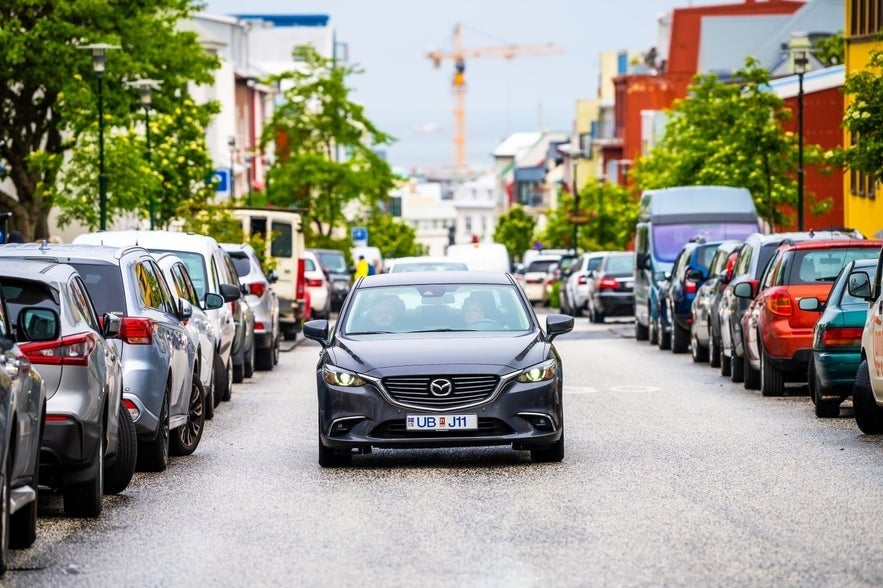
Choosing to rent an affordable car in Iceland gives you a lot of flexibility and is ideal for exploring the countryside at your own pace. Roads are well-marked and main routes are easy to navigate, especially in summer.
For winter self-drives, driving takes more care because of icy roads. It’s best to rent a 4x4 vehicle for safe travel, or let someone else drive on a guided tour.
Guided tours are an excellent option if you’d rather skip the rental. From Reykjavik, tours cover the major sights, and you can even take a guided tour of the complete Ring Road.
If you’re mostly staying in Reykjavik, public transport is reliable and the city buses make it easy to get around. A rental car also makes city navigation simple, so you can choose the way to travel that suits you.
Top Iceland Packages With a Rental Car

These self-drive packages come with a ready-made itinerary and round-the-clock support, which makes them a solid choice for first-time visitors who want to explore at their own pace.
-
6-Day Self-Drive Tour of the Golden Circle, Blue Lagoon & Jokulsarlon Glacier Lagoon — Cover Iceland’s most iconic stops, from the Blue Lagoon and Golden Circle to the South Coast and Jokulsarlon Glacier Lagoon, with a local expert itinerary, a rental car ready at the airport, and five nights of pre-arranged accommodation.
-
1-Week Summer Self-Drive Tour of the Ring Road of Iceland & Golden Circle — Explore the Ring Road and Golden Circle over eight days with a carefully planned route that takes the guesswork out of navigating Iceland for the first time, all during the long daylight of the midnight sun.
-
10-Day Self-Drive Tour of Iceland’s Ring Road with Top Attractions & Snaefellsnes — Circle the entire Ring Road and Snaefellsnes Peninsula over ten days at your own pace, with a detailed local itinerary covering 25+ destinations, a rental car with unlimited mileage, and a personal travel agent available around the clock.
Top Iceland Packages With a Guide

First-time visitors who want everything taken care of will find these multi-day guided tours a great place to start.
-
6-Day Guided Adventure Around Iceland’s Full Ring Road — Circle the Ring Road, taking in the Golden Circle, South Coast, East and West Iceland, and the Diamond Circle, with a local guide, comfortable transportation, and all logistics handled for you.
-
7-Day Tour Around Iceland’s Ring Road & Snaefellsnes Peninsula — Explore the Ring Road and Snaefellsnes Peninsula with every detail managed for you, including destinations that first-time visitors often miss when planning independently.
-
8-Day Guided Tour of the Complete Ring Road & Snaefellsnes Peninsula — Enjoy a guided exploration of Iceland’s full Ring Road and Snaefellsnes on a panoramic-window coach, with two full days on the peninsula for a thorough introduction to the country.
- Check out the Best Guide to Rental Car Sizes in Iceland
- Choose from the Best Advice For Renting a Car in Iceland
Public Transportation in Iceland
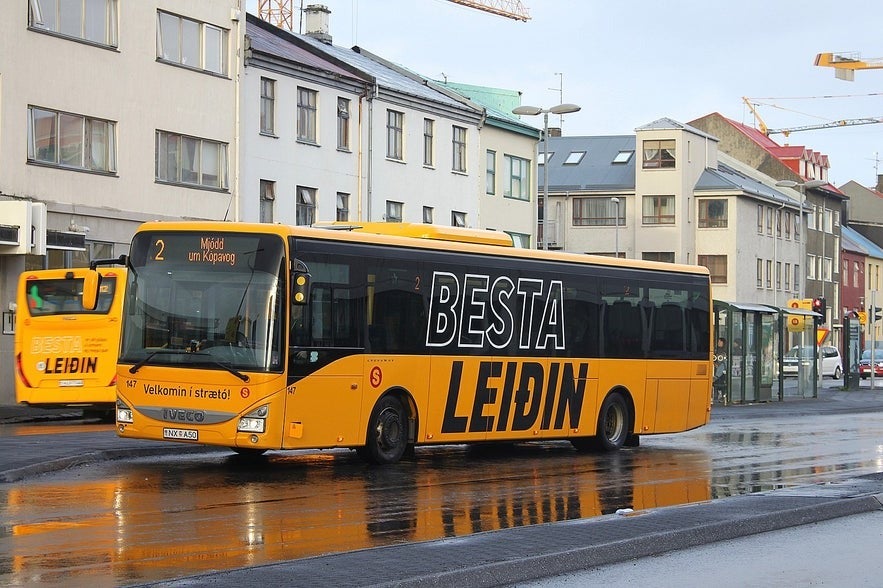
Photo from Wikimedia, Creative Commons, by NAC. No edits made.
Within the capital region, the Reykjavik city bus system operated by Straeto makes it easy to get around, with regular routes covering most of the city and nearby suburbs. Once you leave Reykjavik, though, options thin out, with only a few long-distance buses running to popular destinations, mainly in summer.
If you’re not renting a car, combining Reykjavik’s public transport with day tours to the countryside is often the best way to explore. Convenient as it is in the city, public transport alone won’t reach Iceland’s remote landscapes and attractions.
- For more on public transport in Iceland, check out Reykjavik City Buses: The Ultimate Guide
Where to Stay in Iceland
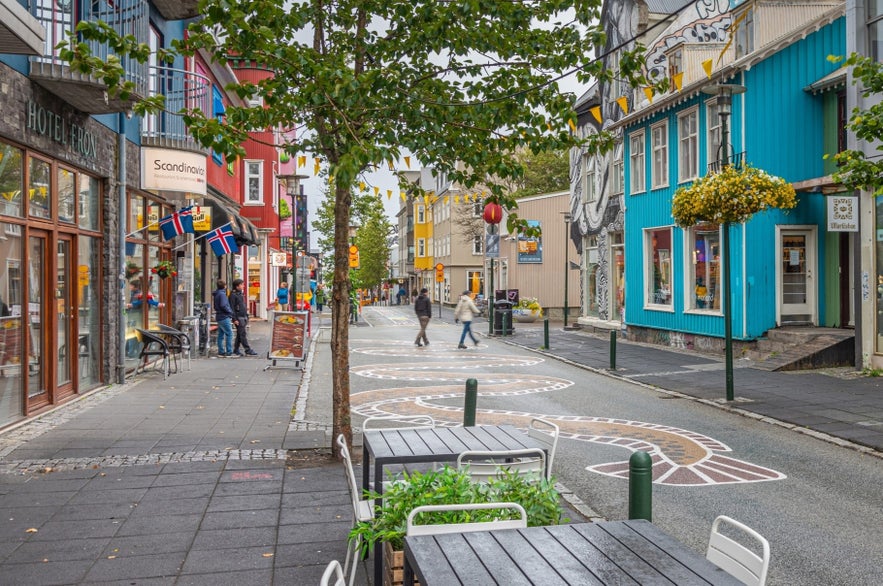
Choosing the right places to stay greatly improves your trip in Iceland. Certain towns make excellent bases for exploring different regions, so it’s worth weighing your options when you plan.
For a first visit, look for accommodations in Reykjavik. Staying in the capital lets you experience the city while giving you an easy base for day trips to areas like the Golden Circle, South Coast, and Snaefellsnes peninsula.
- Find the Top 10 Hotels in Reykjavik
- See also: Top 28 Restaurants in Iceland
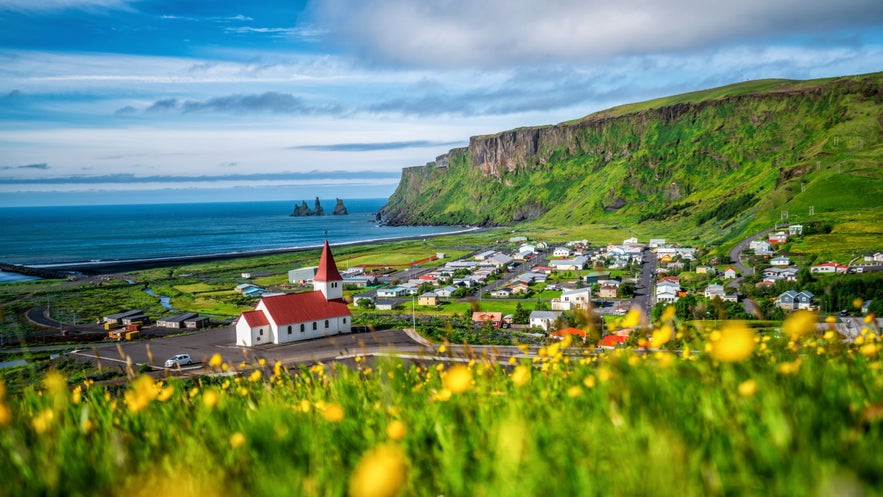
If you plan to explore Iceland’s regions, some towns are more convenient than others. Along the South Coast, the town of Vik is a central stop for the area, with good restaurants, accommodations, and activities.
Another option is Hofn. This fishing village is known for its langoustine and its closeness to the Jokulsarlon glacier lagoon, a must-see in the region.
- Try the Top 6 Restaurants on the South Coast of Iceland
- See also: Top 9 Things To Do in Vik
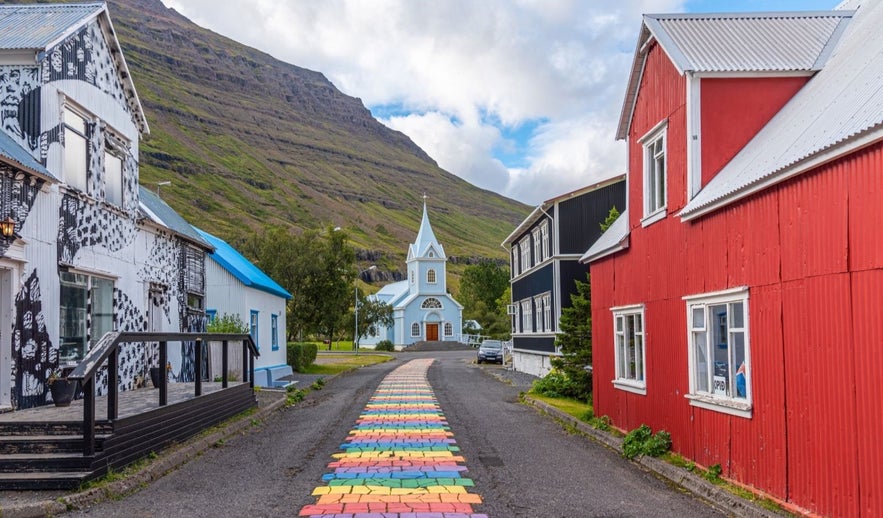
In the Eastfjords, Egilsstadir is the largest town and a good base for the nearby sights. You’ll find accommodations, restaurants, stores, and other services next to Iceland’s largest forest, Hallormsstadarskogur.
For a scenic stay, Seydisfjordur is one of Iceland’s most picturesque towns and the arrival point for the ferry from mainland Europe. It has many old houses and a lively art scene, just a 25-minute drive from Egilsstadir.
- Discover the Best Places to Visit in East Iceland
- Also, check out the Top 6 Restaurants in East Iceland

Husavik is a popular option for a stay in Northeast Iceland. This small town is famous for its whale-watching tours and is a stop on some tours of the Diamond Circle.
In the heart of North Iceland, the go-to base is Akureyri. It’s the largest town outside the capital region and is sometimes called the “Capital of the North.” There are plenty of accommodation options in Akureyri, a strong restaurant scene, and plenty to do.
- Discover the 13 Best Things to Do in Akureyri and the Top 9 Restaurants in Akureyri
- See also: 11 Must-See Destinations in North Iceland
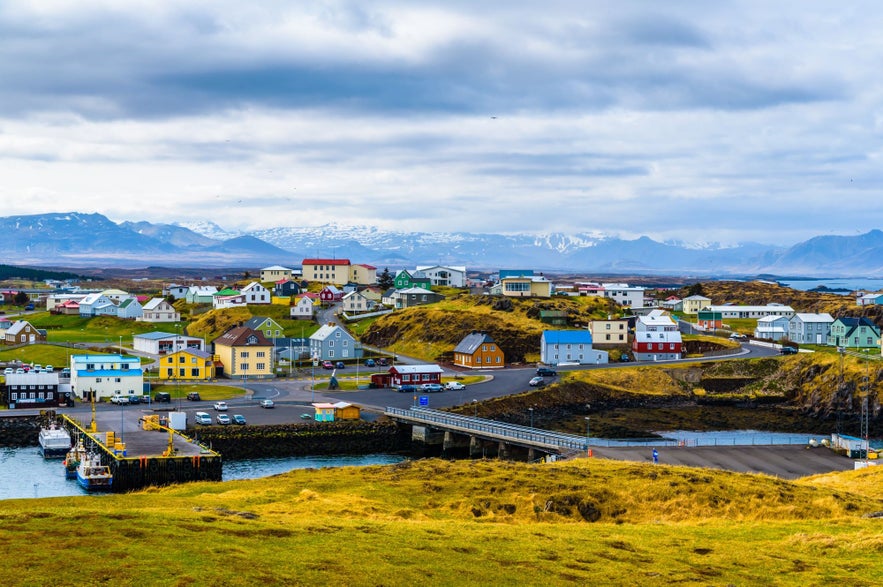
To explore the coast of West Iceland, there are good options depending on your itinerary. Along the Ring Road, you can find accommodation in Borgarnes. This town is close to the attractions of Borgarfjordur, and you can explore the Snaefellsnes peninsula from there.
To spend a night on the Snaefellsnes peninsula, consider Stykkisholmur. It’s the main town of the region, with a harbor lined with colorful old houses.
- Learn about the Top 16 Things to Do on the Snaefellsnes Peninsula
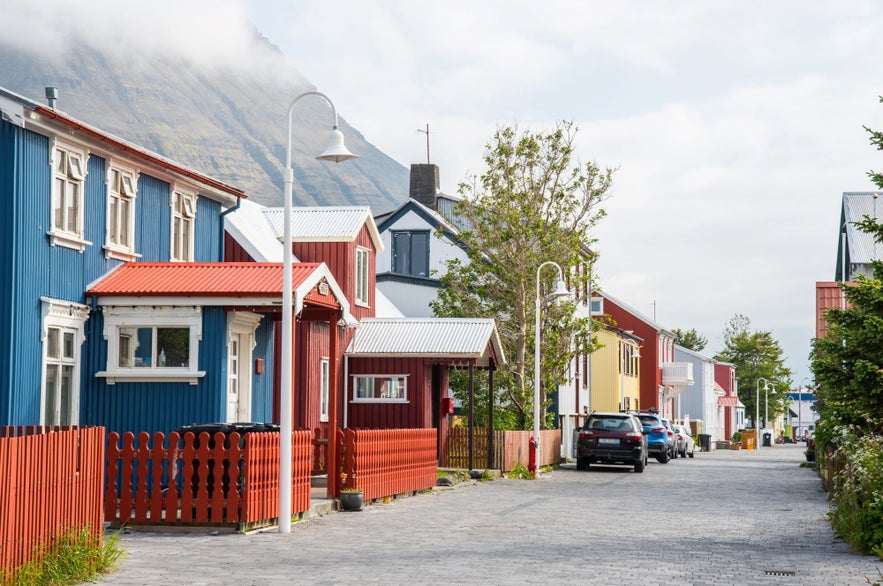
Further west, in the remote Westfjords, we recommend a stay in Isafjordur. It’s one of the larger towns in Iceland and a comfortable distance from many of the region’s main attractions. You can also find accommodations all around the Westfjords for a stay in Icelandic nature.
With each town offering different experiences and access to key attractions, choosing the right bases makes your Iceland trip more efficient and enjoyable. Plan your stays strategically for easier access to Iceland’s landscapes and local culture.
Practical Tips for Visiting Iceland

A little preparation goes a long way toward a smoother, more enjoyable trip. Here are some practical tips to help you make the most of your visit.
Book everything well in advance
Iceland’s popularity means accommodations, tours, and car rentals can sell out quickly, especially in peak summer. Some things, like tickets to the Blue Lagoon, may need booking days ahead, and taking care of everything early ensures you get your preferred choices. You’ll often get better prices ahead of the crowd, too.
Download offline maps
If your summer itinerary includes remote areas, download offline maps. You can’t count on good mobile service in areas like the Highlands, so offline maps are essential for navigating without a constant connection. A printed travel map is a good backup as well.
Don’t buy bottled water
You don’t need to buy water in Iceland. The tap water is some of the purest in the world, and it’s free. Bring a reusable bottle and refill it as needed to save money and cut plastic waste.
Don’t overplan your itinerary
A lot of Iceland’s appeal is in the stops you don’t expect. Avoid packing your itinerary with back-to-back stops that force you to rush, or you’ll miss the waterfalls and viewpoints you come across along the way.
在冰岛看到北极光容易吗?
在冰岛需要给小费吗?
在冰岛需要担心火山喷发吗?
在冰岛自驾需要四驱车吗?
冰岛偏远地区有公共厕所吗?
在冰岛可以在公共场所喝酒吗?
What would you like to do on your first time in Iceland? Which season would you choose? Have you visited Iceland before, and is there something we missed? Share your thoughts in the comments below!

I'm an Icelandic folklorist writing about Icelandic nature and culture for travelers. I share practical guides, cultural insights, and tips on hidden spots, helping you experience the best of Iceland and maybe come to love it as much as I do!