The Old Icelandic calendar is one of the most fascinating survivals of the country's Norse heritage. Instead of four seasons, it recognized only two, summer and winter, divided into twelve months with descriptive names.
It governed daily life from the settlement age until the early 19th century, shaping centuries of the history of Iceland. Several of its key days survive among the public holidays in Iceland.
Why You Can Trust Our Content
Guide to Iceland is the most trusted travel platform in Iceland, helping millions of visitors each year. All our content is written and reviewed by local experts who are deeply familiar with Iceland. You can count on us for accurate, up-to-date, and trustworthy travel advice.
This guide explains how the calendar worked, walks through its months, and covers the traditions it still gives Iceland, from midwinter feasts to the beloved first day of summer. It connects closely to the legacy of the Icelandic Vikings.
Read on to discover how Iceland once measured its year, how that old rhythm endures, and how to catch its celebrations on your trip.
What to Know About the Old Icelandic Calendar
-
The Old Icelandic calendar divided the year into two seasons, summer and winter, each lasting six months.
-
It counted time in whole weeks, so each month began on a fixed weekday rather than a fixed date.
-
The year had 52 weeks, or 364 days, kept in step with the solar year by an occasional leap week called sumarauki.
-
The calendar governed daily life in Iceland from the settlement age until the early 19th century.
-
Folk tradition imagined Thorri and Goa as winter spirits, and Icelanders still use their names along with Harpa today.
-
Thorrablot feasts run from late January to mid-February, and visitors can taste Thorramatur at Reykjavik restaurants.
-
The first day of summer is a public holiday between April 19 and 25, marked with free parades nationwide.
How the Old Icelandic Calendar Worked
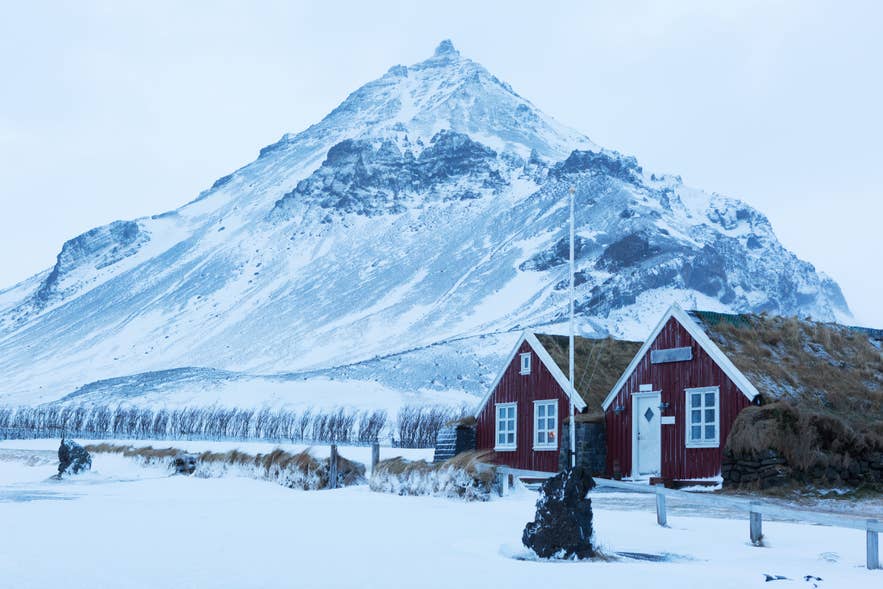 The Old Icelandic calendar was a week-based solar system, one of the few of its kind in the world. It divided the year into two halves, or misseri, each lasting six months, and counted time in whole weeks so that every month started on a set weekday. Icelanders knew the system as the misseristal, and the word misseri is still used today for a university semester.
The year had 52 weeks, or 364 days, made up of twelve 30-day months plus four extra days called aukanaetur, added at midsummer. Since this still fell short of the solar year, a leap week known as sumarauki was inserted every few years to keep the calendar aligned with the seasons.
Earlier Norse peoples had followed the moon, but Iceland's bright summer nights made lunar months impractical, so 10th century Icelanders counted weeks instead. According to the Book of Icelanders, a farmer named Thorsteinn Surtur proposed the leap week solution at the Althingi, one of the earliest recorded calendar reforms in Europe.
The Two Seasons of the Old Icelandic Calendar
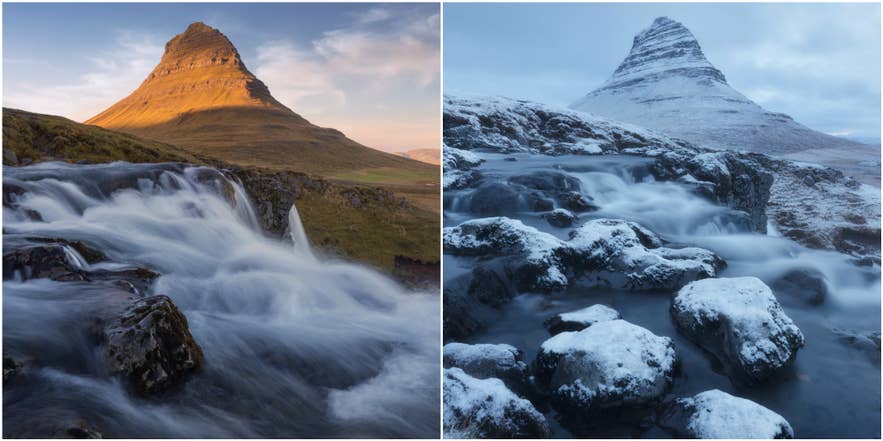 The split into just summer and winter reflected Iceland's extreme swing between light and dark. Summer was the season of the nightless days under the midnight sun, while winter brought skammdegi, the short days.
People counted their age and the passing years in winters, a habit echoed in modern Icelandic. The year traditionally began as winter set in, making the arrival of summer a moment worth celebrating.
Travelers divide their trips much the same way today, choosing between winter vacations for the northern lights season or summer tours under the midnight sun.
The Twelve Months of the Old Icelandic Calendar
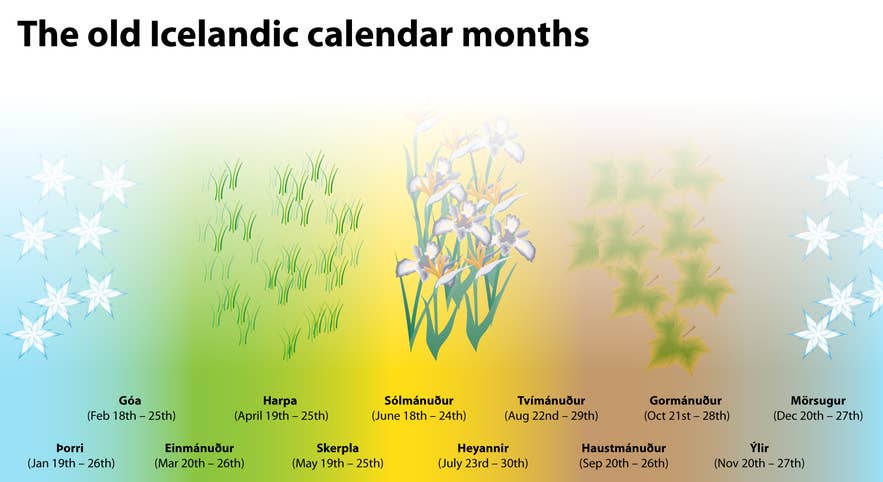
Image from Wikimedia, Creative Commons, by Andri Geir Jóhannsson. No edits made.
The twelve months carry vivid names tied to farming, weather, and the season. The table below lists them in order with their start weekday, rough modern dates, and meanings. In occasional leap years of the old system, known as rimspillisar, some start dates shift by a day, so you may see slightly wider ranges in other sources.
| Month | Season | Starts on | Approx dates | Meaning or note |
|---|---|---|---|---|
| Gormánuður | Winter | Saturday | Late Oct to late Nov | Slaughter month, start of winter |
| Ýlir | Winter | Monday | Late Nov to late Dec | Linked to Yule |
| Mörsugur | Winter | Wednesday | Late Dec to late Jan | Fat-sucking month |
| Þorri | Winter | Friday | Late Jan to mid-Feb | Begins on Bóndadagur, feast of Þorrablót |
| Góa | Winter | Sunday | Mid-Feb to late Mar | Begins on Konudagur, Women's Day |
| Einmánuður | Winter | Tuesday | Late Mar to late Apr | Single month, last of winter |
| Harpa | Summer | Thursday | Late Apr to late May | Begins on the first day of summer |
| Skerpla | Summer | Saturday | Mid-May to mid-Jun | Likely refers to sparse spring growth |
| Sólmánuður | Summer | Monday | Mid-Jun to mid-Jul | Sun month |
| Heyannir | Summer | Sunday | Late Jul to late Aug | Haymaking month |
| Tvímánuður | Summer | Tuesday | Late Aug to late Sep | Two month |
| Haustmánuður | Summer | Thursday | Late Sep to late Oct | Autumn month, end of summer |
The Folklore and Meaning Behind Each Old Icelandic Month
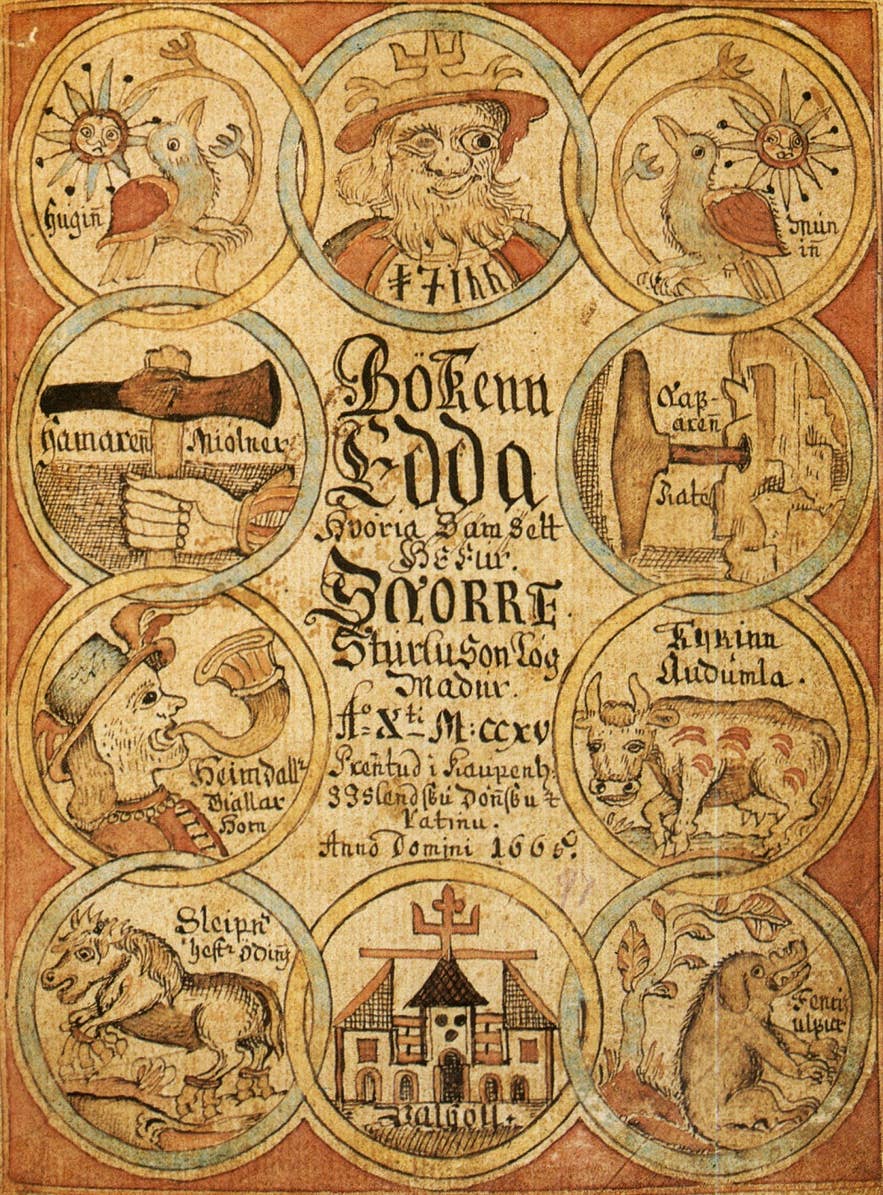
Photo from Wikimedia, Creative Commons, from the Edda. No edits made.
The old months are woven into the wider folklore in Iceland. Medieval texts like the Prose Edda record older names for many of the months, and folk tradition gave several of them personalities of their own. The lore below draws on the folklorist Arni Bjornsson's Saga daganna, the standard work on Iceland's calendar customs.
The Winter Months in Folklore
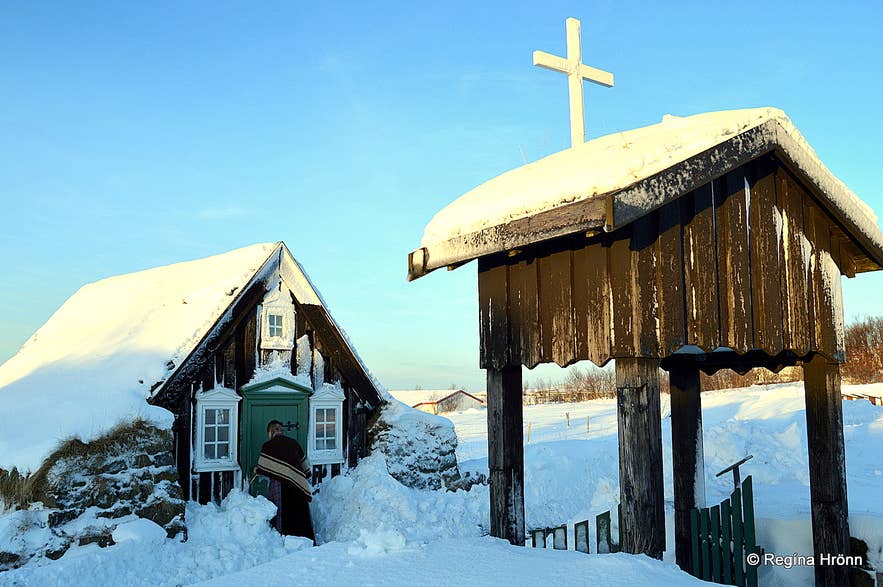 Gormanudur took its name from gor, the half-digested contents of animal innards, a blunt nod to the slaughter season. Winter opened with the veturnaetur, the winter nights, which the sagas describe as a favorite time for feasts and weddings.
Ylir is related to the word jol, or Yule, and the name is a key piece of evidence that Icelanders marked a midwinter Yule long before Christianity. The Edda also calls this month frermanudur, the frost month.
Morsugur combines mor, the hard fat around a sheep’s kidneys, with a word for sucking, a name for the weeks when households lived off stored fat and marrow in the deepest dark. It was also known as jolmanudur, the Yule month, and hrutmanudur, the ram month, when rams were put to the ewes.
Thorri's origin is uncertain. It has been linked to the verb thverra, to dwindle, to the adjective thurr, meaning dry, and even to a pet name for the god Thor. In the Middle Ages, Thorri was imagined as a winter spirit who had to be welcomed into the home.
Goa was a winter spirit too. The oldest tales call her Thorri's daughter, though later tradition made her his wife, and her welcome feast, the Goublot, belonged to the women of the household just as Thorrablot belonged to the men.
Einmanudur, the single month, most likely signals that only one month of winter remained.
The Summer Months in Folklore
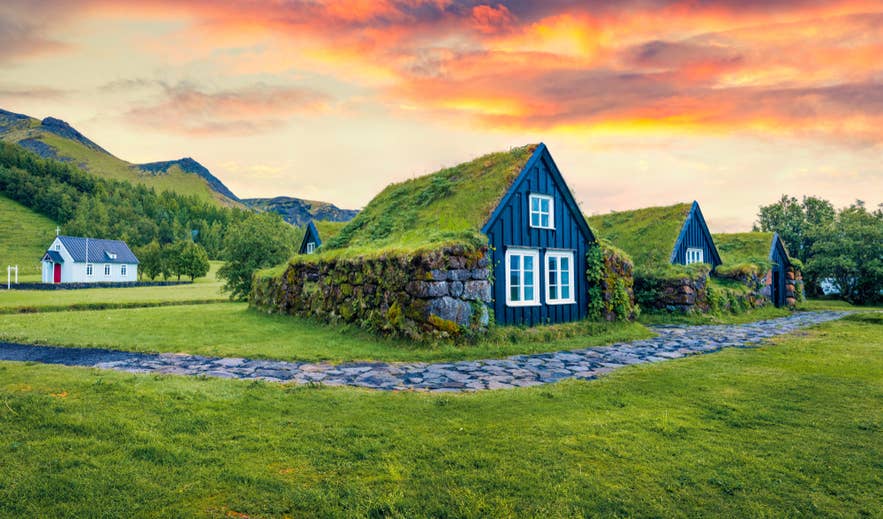 Harpa is a surprisingly young name, first recorded around the 17th century and possibly referring to the harshness of early spring. The Edda calls this month gaukmanudur, the cuckoo month, and sadtid, the sowing time. Romantic writers of the 19th century imagined Harpa as the daughter of Thorri and Goa.
Skerpla likely refers to the sparse growth of spring. Older calendars called it eggtid and stekktid, the egg time and the lamb-fold time.
Solmanudur, the sun month, explains itself as the time of the midnight sun. It was also called selmanudur, the shieling month, when livestock moved to the summer pastures.
Heyannir means the hay-working season, the busiest weeks of the farming year. Part of it was simply called midsumar, or midsummer.
Tvimanudur probably marks the point when two months of summer remained. The Edda also calls it kornskurdarmanudur, the grain-cutting month.
Haustmanudur, the autumn month, closed the summer half with the harvest and led back to the winter nights.
Thorri and the Midwinter Feast of Thorrablot
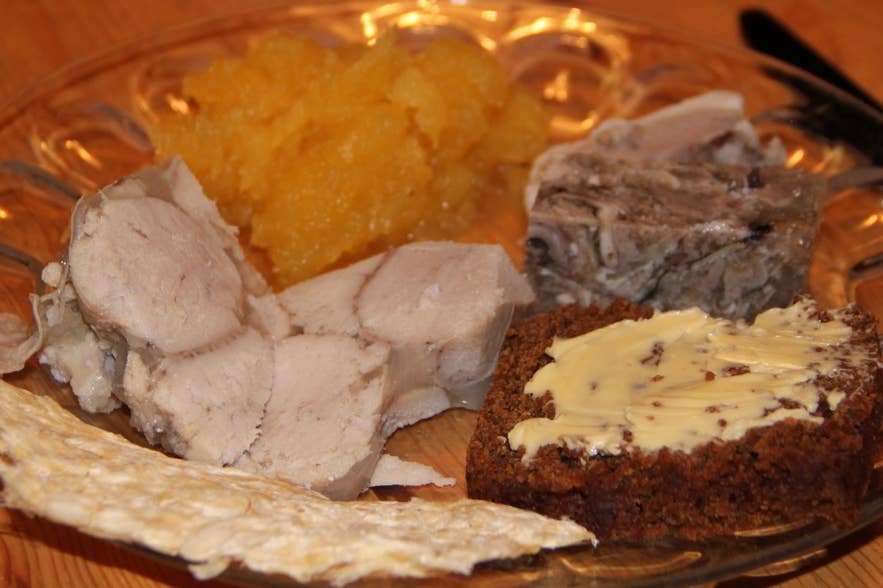 Thorri, the fourth winter month, begins on a Friday between January 19 and 25 and is the most celebrated of all. Its first day is Bondadagur, or Men's Day, when the man of the household is traditionally honored. The name literally means Farmer's Day, a nod to the master of the farm.
Thorri is marked by Thorrablot, a midwinter feast of traditional Icelandic food that was revived in the 19th century and spread nationwide in the 20th. The spread includes famously challenging Icelandic dishes like fermented shark and singed sheep's head. It remains a hugely popular social event today.
The month's hardships even have their own soundtrack. Thorrathraell, or the Slave of Thorri, is a 19th-century folk song lamenting the frost from the point of view of a worn-down farmer, and it is still a staple at Thorrablot feasts.
How Visitors Can Taste a Thorri Feast
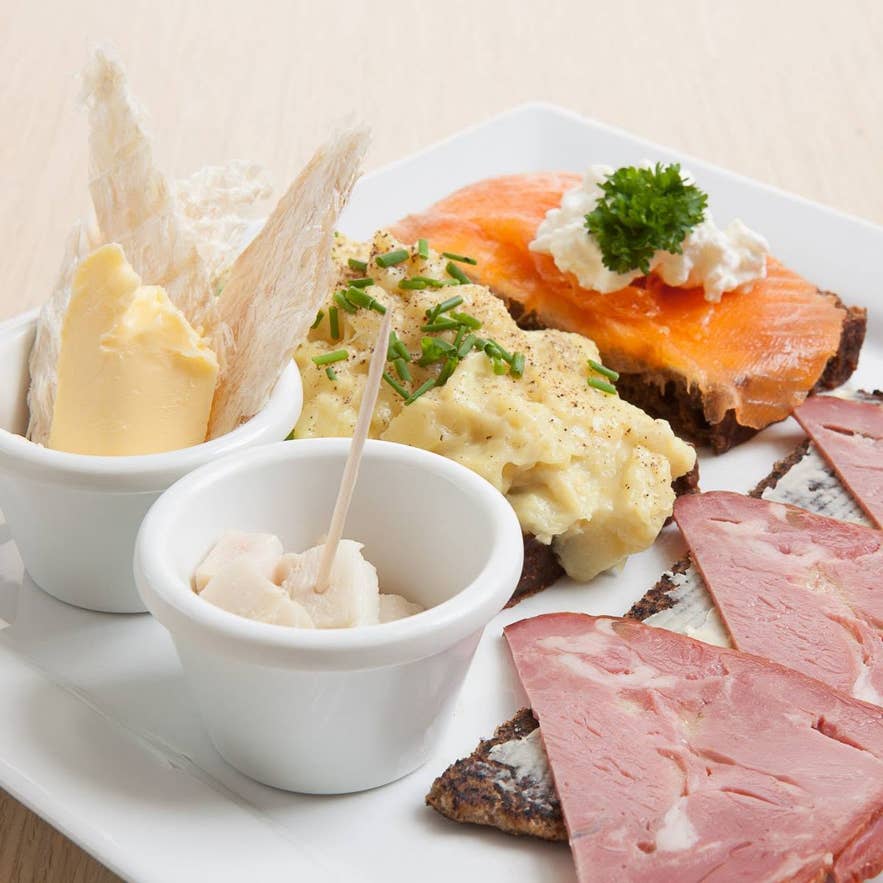
Photo from Kaffi Loki (Facebook).
Most Thorrablot gatherings are private community or workplace parties, but you do not need an invitation to take part. If you're visiting Iceland in January or February, many of the best restaurants in Reykjavik serve Thorramatur platters through the season, and supermarkets stock ready-made trays of the same dishes.
Cafe Loki in central Reykjavik serves traditional plates like fermented shark year-round, or you can book a table at Íslenski barinn downtown for taster portions of shark, dried fish, and brennivin. Múlakaffi is famous for its Thorramatur trays, while the cafeteria at the BSI bus terminal is a local institution for svid, boiled sheep's head.
For a guided introduction, the Reykjavik food walk covers crowd-pleasers like lamb, skyr, and the famous Icelandic hot dog. The guide can point you to where the braver bites are served. If you want the old-school dishes on the menu, this traditional Icelandic food tour samples at least ten heritage foods on a walk through downtown Reykjavik.
Goa and the Days That Honor Men and Women
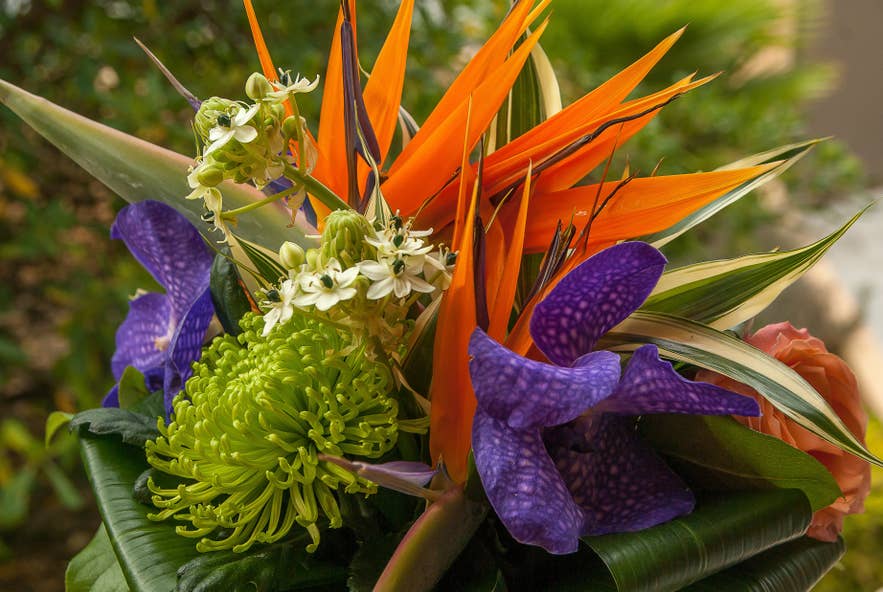
Following Thorri comes Goa, the fifth winter month, which begins on a Sunday between February 18 and 24. Its first day is Konudagur, or Women's Day, the counterpart to Bondadagur, when men traditionally treat the women in their lives.
These two days survive as warm domestic traditions, a little like a homegrown Icelandic version of Valentine's customs. Flowers are commonly given on Konudagur, keeping the old month names alive in everyday life.
The First Day of Summer, Sumardagurinn Fyrsti
The single most important date in the old calendar is the first day of summer, which opens the month of Harpa on the first Thursday after April 18, falling between April 19 and 25. It remains a public holiday in Iceland, complete with parades and community events.
Arriving while snow may still lie on the ground, it celebrates the symbolic turning of the year toward light rather than the actual weather. An old saying holds that good luck follows if summer and winter freeze together on the eve of this day.
The festivities are free and open to everyone. Reykjavik and towns nationwide hold morning parades with brass bands and scout troops, followed by family events, so check local listings if you're visiting Iceland in April.
The Old Icelandic Calendar in Modern Iceland
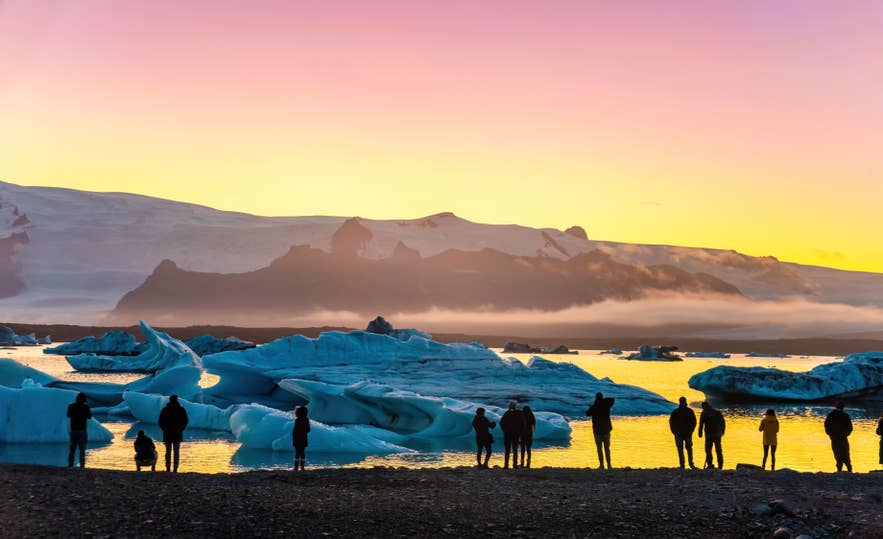 Iceland adopted the Gregorian calendar in 1700, but the old system never fully disappeared. Icelanders kept dating everyday life by weeks of summer and winter well into the 19th century, and the month names Thorri, Goa, and Harpa remain in everyday use.
Thorri is also the one month Icelanders still speak of as if he were alive. People say that Thorri bites or blows when a cold snap hits, and that Thorri has arrived when the first hard frosts set in.
That endurance is typical of a country where the medieval sagas and the Icelandic language are living heritage. The old calendar captures how a small nation on the edge of the Arctic organized its life around light, darkness, and the land, and those rhythms continue to shape how the year is celebrated.
If you visit in late winter or spring, you may well catch a Thorrablot feast or the first day of summer in action. To see how the country keeps time today, explore these interesting facts about time in Iceland.
Have you celebrated Thorrablot or the first day of summer in Iceland? Which of the old month names sparks your curiosity? Share your experiences and thoughts in the comments below.

Born on the west side of Reykjavík and raised in the heart of downtown, I’ve spent most of my life surrounded by Iceland’s beauty. I’m a proud father of two and an avid traveler who has visited five continents—but Iceland remains, without a doubt, the most breathtaking place I know. I’ve traveled extensively throughout the country, exploring its hidden gems and natural wonders. My passion for Iceland and for helping others experience it led me to co-found Guide to Iceland, where we focus on connecting travelers with unique, local services and unforgettable adventures.