Learn when the cheapest time to go to Iceland is and how seasonal changes affect flight prices and accommodation costs. Read on for typical prices by season, the easiest savings on cars and groceries, and budget-friendly tours that fit each part of the year.
April offers the lowest overall trip costs in Iceland, followed closely by January and November. Our study on the cheapest time to visit Iceland analyzed 350,249 Guide to Iceland bookings and found that a seven-day mid-range trip costs about 2,505 USD per person in April, compared with 3,299 USD in August.
Iceland has a reputation for being expensive, and cost ranks second among the most frequently asked questions about Iceland. Still, your overall costs can vary depending on when you visit. Off-season travel often comes with cheaper flights to Iceland, better rental car deals, and more affordable accommodation. These three costs drive most of the seasonal savings.
Why You Can Trust Our Content
Guide to Iceland is the most trusted travel platform in Iceland, helping millions of visitors each year. All our content is written and reviewed by local experts who are deeply familiar with Iceland. You can count on us for accurate, up-to-date, and trustworthy travel advice.
It’s also easier to explore Iceland on a budget, with options like budget self-drive excursions, cheap bus tours, affordable car rentals, and budget-friendly hotels in Iceland. Tour prices in Iceland stay almost the same all year. Lower car rental and hotel prices make it cheaper to plan longer routes, like a full Ring Road itinerary.
This guide covers everything you need to know about Iceland travel costs, the best time to visit for savings, and how to find the best deals on flights, hotels, and tours.
Key Takeaways
-
Cheapest months to visit: April, January, and November
-
Most expensive months to visit: June to August
-
Shoulder season: April to May and September to October
-
Cheapest month to fly: January, followed by November and February
-
Best time for budget accommodation: April and January
When Is the Cheapest Time of Year To Visit Iceland
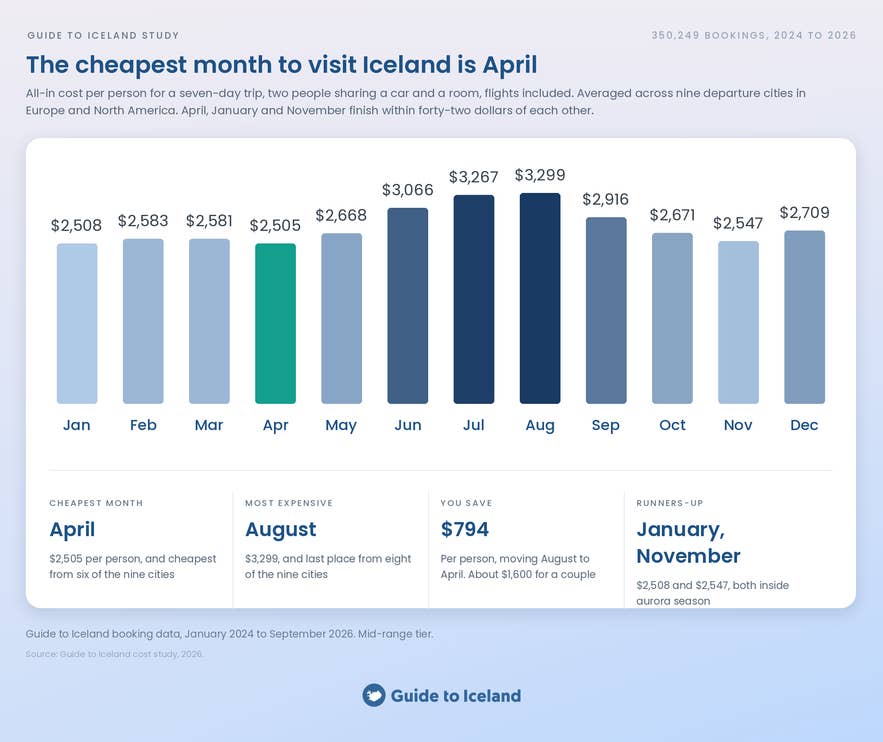 The best time to visit Iceland to save money is April, followed by January and November. On a seven-day trip, these three months are within 42 USD per person of each other. April has the lowest accommodation, car rental, and tour prices of the year. January has the cheapest flights.
Winter (November to March) is also affordable, apart from December. Flights, car rentals, and hotels cost much less than in summer. Some attractions can be harder to reach in bad weather.
Spring (March to May) offers some of the lowest prices of the year, with April the cheapest month. Autumn in Iceland has more variation in prices. September remains close to summer prices, while October is more affordable and November ranks among the three lowest-cost months of the year.
Due to school holidays, a more temperate climate, and the midnight sun, June to August are the most expensive months to visit Iceland. December costs more than any other month from October to May, as the holiday season in Iceland drives up flight prices.
Perks of Traveling During the Off-Season
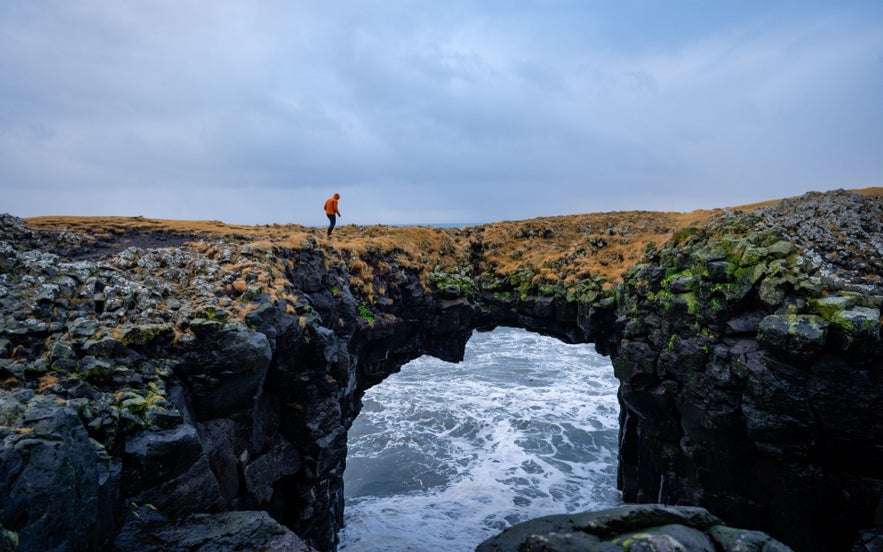 Traveling outside of summer can help you save money in Iceland on flights and accommodations. Popular attractions along the Golden Circle and South Coast are less crowded in the off-season, especially in regions like North Iceland, the Eastfjords, and the Westfjords.
-
Lower Accommodation Prices: Hotels in Iceland often reduce rates during the off-season, making stays in popular areas more affordable.
-
Cheaper Airfare: Flights to Iceland are usually less expensive outside peak summer months, as airlines lower prices to fill seats during periods of reduced travel demand.
-
Cheaper Car Rentals: The same rental car costs about 65% more in July than in January.
-
Fewer Crowds: Off-season travel means fewer visitors at major sites, so you can enjoy waterfalls, beaches, and geothermal areas at your own pace.
-
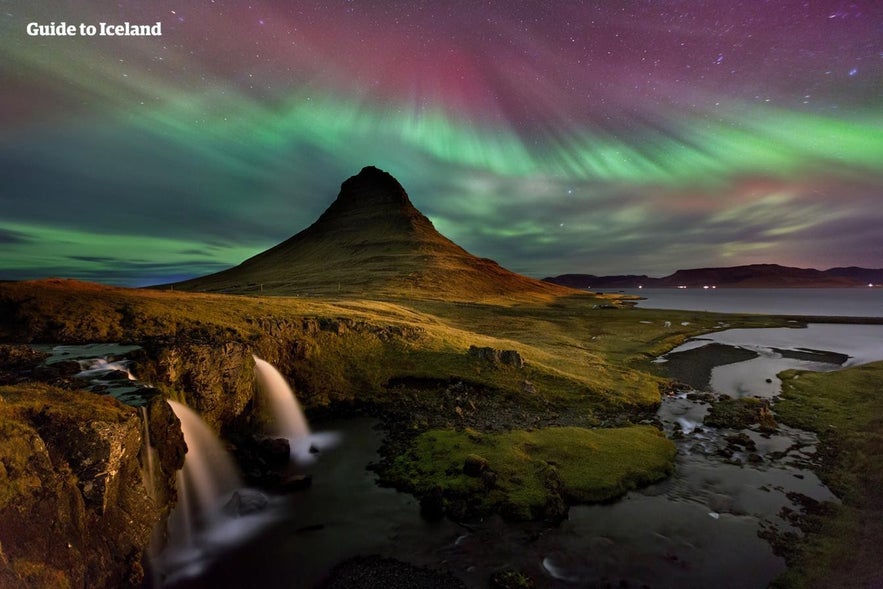
Northern Lights Visibility: It’s also the best time to see the northern lights, as they’re visible only in dark skies between September and April in Iceland.
-
Unique Winter Activities: Winter in Iceland opens up experiences like ice cave tours, offering winter activities you cannot do during the summer months.
-
Easier Bookings: Hotels, rental cars, and popular tours are easier to secure, giving you more flexibility when traveling around Iceland.
Cons of Traveling During the Off-Season
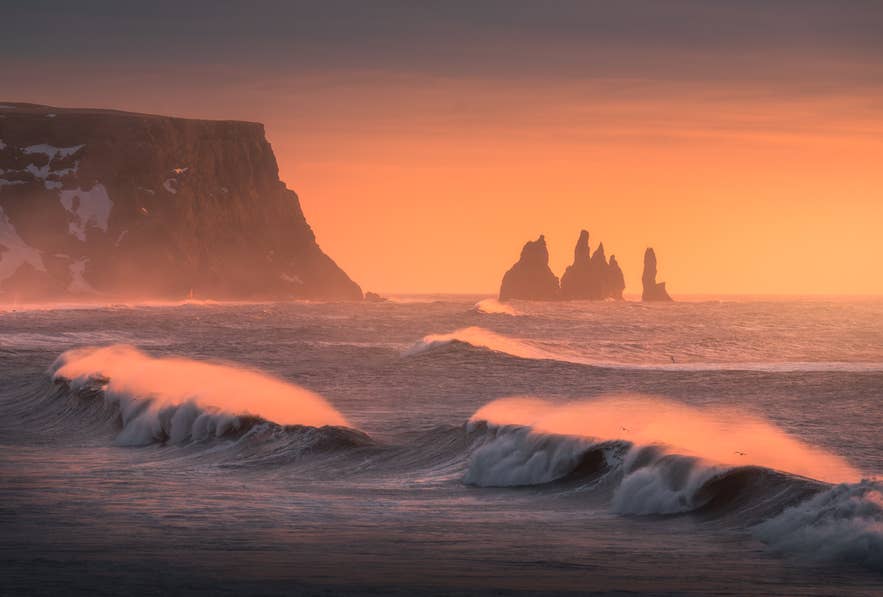 Visiting Iceland in the off-season comes with a few challenges, but with the right planning, most of these downsides can be managed or avoided altogether.
-
Shorter Daylight Hours: In deep winter, Iceland may only have 4 to 5 hours of daylight, limiting sightseeing time and requiring careful planning for outdoor activities.
-
Unpredictable Weather: Weather in Iceland can change quickly, with storms and strong winds, making driving more difficult. Check road.is before driving in Iceland.
-
Road Closures: Certain routes, especially in the Highlands and remote interior, close completely in winter. If exploring the Highlands is on your bucket list, visit in summer, when all roads are open and accessible.
-
Tour Cancellations: Tours may be canceled or rescheduled due to weather conditions. It’s best to book activities with free rebooking or refund options.
-
Reduced Wildlife Activity: Off-season travel means limited wildlife activity, like puffin and birdwatching opportunities, as many species migrate during colder months.
Average Costs by Season (Flights, Hotels, and Cars)
To help you build a realistic travel budget in Iceland, here is a breakdown of average costs per person (assuming a mid-range travel style) across the travel seasons.
| Expense | Peak Season (June to August) | Cheapest Months (April, January, November) |
| Round-trip flights (average) | 488 to 552 USD | 347 to 395 USD |
| Car, accommodation, tours, and food (seven days) | 2,578 to 2,747 USD | 2,110 to 2,175 USD |
| Total seven-day trip | 3,066 to 3,299 USD | 2,505 to 2,547 USD |
| Rental car | About 65% more in July than in January | Lowest prices of the year |
| Hotel room | About 49% more in August than in January | Lowest rates in April |
| Tours and excursions | About the same all year | About the same all year |
Note: Figures are per person for a seven-day mid-range trip, with two people sharing a car and a room. Flight prices are averages across nine departure cities in Europe and North America. Figures come from our study of 350,249 Guide to Iceland bookings. Prices do not include fuel, parking, or Iceland's kilometer-based road tax. Actual costs vary with your route, travel dates, and exchange rates.
Cheapest Time To Fly to Iceland
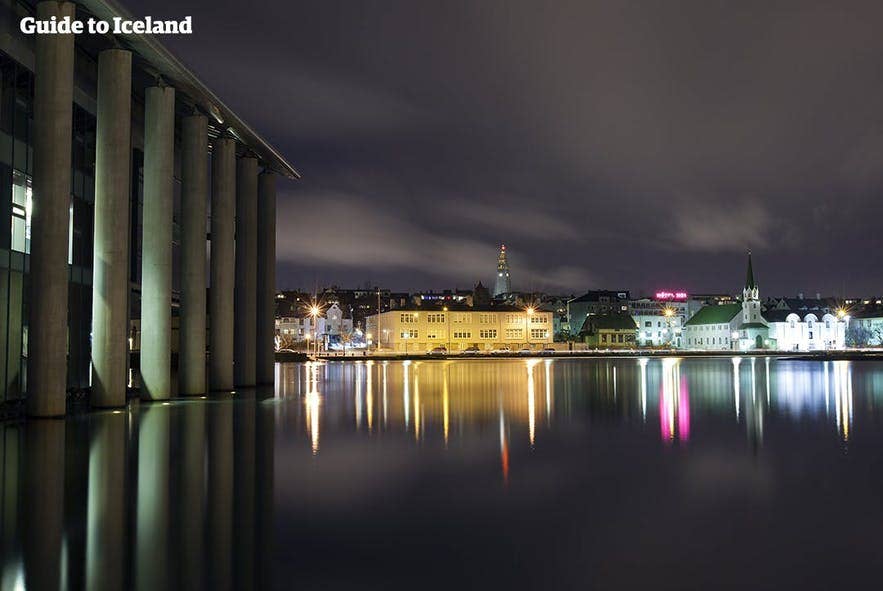 The cheapest time to fly to Iceland is January, with an average fare of 347 USD across nine cities in Europe and North America. November (372 USD) and February (388 USD) come next.
January is the cheapest month to fly to Iceland from 9 of 20 departure cities, including London, Paris, and Boston. On most Western European routes, a budget airline is 33% to 79% cheaper than Icelandair, according to our study of the best airlines to fly to Iceland.
Fares from Europe drop the most in winter. Fares from North America change less, and December is the most expensive month to fly from New York. Long-haul routes from Asia, the Pacific, Africa, and South America carry higher base fares year-round because most connect through Europe or the US East Coast.
April is the cheapest month for a full trip, even though flights cost a little more than in January. Lower hotel prices make up the difference. May in Iceland costs more, and June, July, and August have the highest prices of the year. September is also expensive, while October is cheaper and November is one of the three cheapest months.
Cheapest Time for Hotels and Accommodation in Iceland
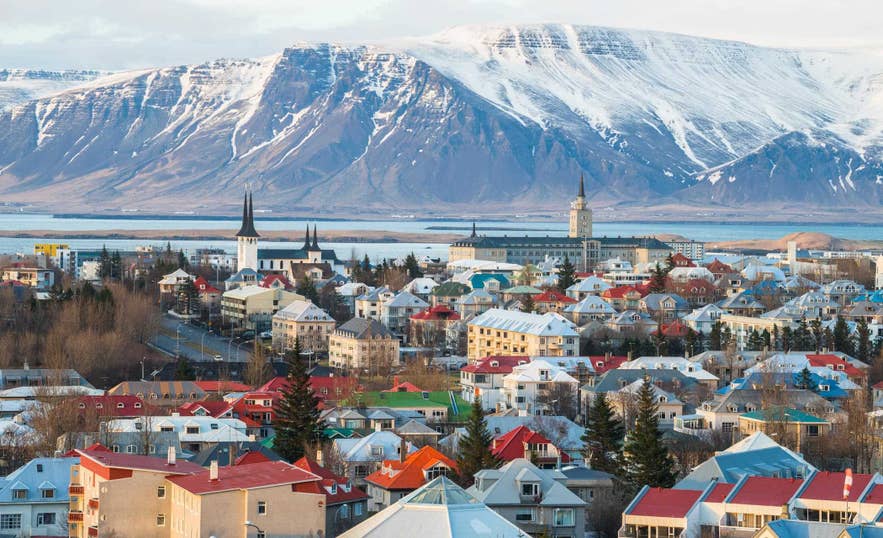 Accommodation in Iceland is cheapest in April, when room rates reach their lowest point of the year. April falls between the end of the northern lights season and the start of the summer travel season. January to March is also affordable, while a room costs about 49% more in August than in January.
You’ll find affordable places to stay in Iceland across Reykjavik hotels, Golden Circle stays, and South Coast accommodations, making it easier to plan an affordable trip.
Budget Accommodation Options by Season
-
Winter: Hotels in Iceland are ideal for reliable heating and comfort during harsh weather conditions. Self-catering apartments in Iceland suit longer stays that help reduce costs and offer flexibility when the weather limits dining out.
-
Shoulder season: Farm stays, bed and breakfasts, and campervans (when weather allows) offer a wide range of price points while keeping travel more affordable than peak summer.
-
Summer: Campsites, guesthouses, and hostels in Iceland offer the cheapest options in summer. Staying slightly outside major hotspots like Reykjavik, Vik, or Hofn can significantly reduce costs. In our study of 128 campsites in Iceland, the most expensive quarter of campsites charged a median of 6,000 ISK (around 49 USD) a night for two.
Cheapest Way to Get Around Iceland
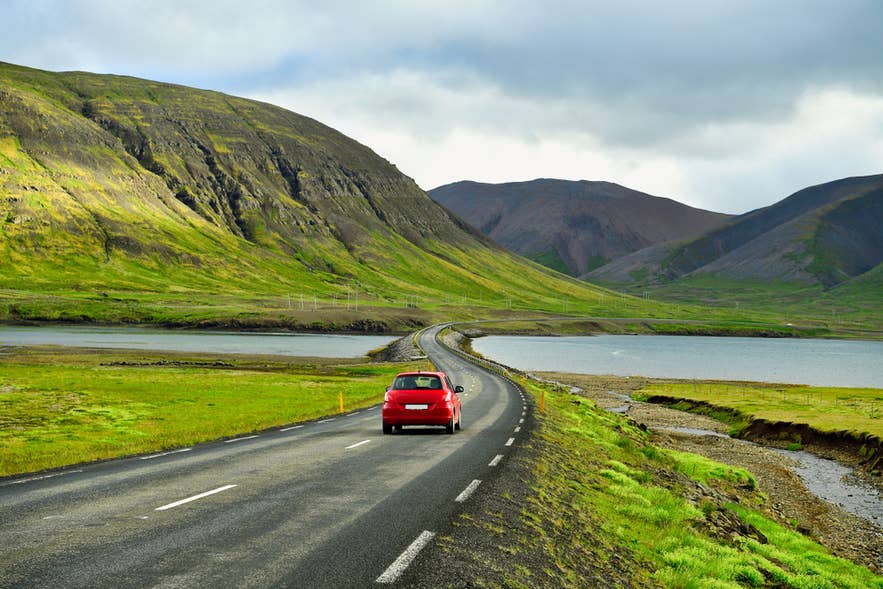 Transport is one of the highest costs in Iceland after flights and accommodation. Renting small cars in Iceland is often the most affordable way to explore, especially for two or more travelers.
Here are the most cost-effective transport options to help you plan your trip based on your travel season and budget:
-
Car rental: Renting a car in Iceland is the cheapest way to travel in Iceland if you’re in a group, especially during the off-season. Keep in mind Iceland’s new kilometer-based tax (kilometragjald), which adds a per-kilometer fee that can increase total costs on longer routes.
-
Ring Road tours: Self-drive packages in Icelandbundles car, hotels, and routes into one price. For the month-by-month picture, our breakdown of self-drive costs by departure month puts April at the bottom and July and August at the top.
-
Campervans: Campervan rentals in Iceland are best outside peak summer, with May and September offering the best balance of price, weather, and campsite access. In peak season, they are more expensive and book out quickly.
-
Airport transfer: You can get from Keflavik Airport to Reykjavik by Flybus, taxi, or rental car. The Flybus transfer is the cheapest airport transfer for solo travelers and pairs. Prices stay stable regardless of peak travel months.
-
Buses: Straeto buses operate year-round, connecting Reykjavik to many rural areas, making it a great way to get around Iceland without a car. Services are more frequent in summer, while winter schedules are reduced.
What to Do in Iceland During the Off-Season
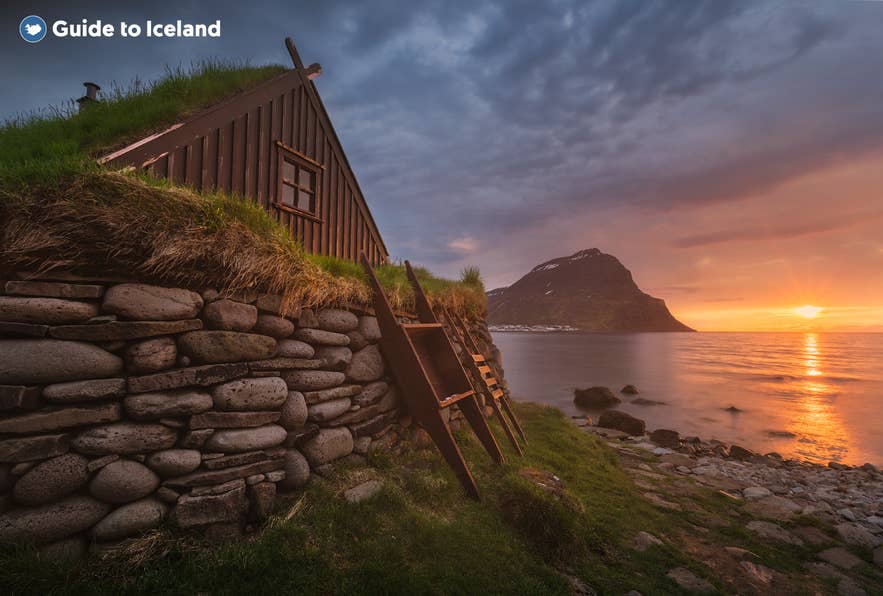
The northern lights season runs from September to April, and natural ice cave tours run from October to April. Autumn in Iceland keeps most summer tours open while crowds fall. Spring opens river rafting and reopens the wider road network as snow recedes.
Chasing the Northern Lights
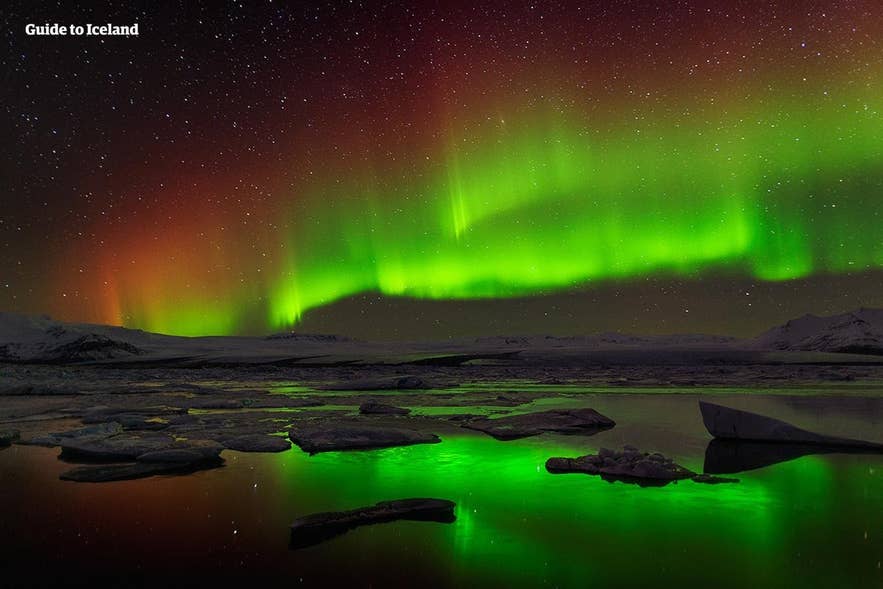
The northern lights season runs from September to April, though winter offers the darkest skies for viewing. Guided northern lights tours improve your chances, as local experts track cloud cover and move toward clearer areas away from city lights.
One of the cheapest things to do in winter in Iceland is the northern lights bus tour from Reykjavik, which is more affordable than small-group tours while still including transport and expert guidance. If you are staying longer, an 8-day northern lights winter tour with ice caving helps stretch your budget by bundling hotels, transport, and activities into one fixed price.
Go Ice Caving in Iceland
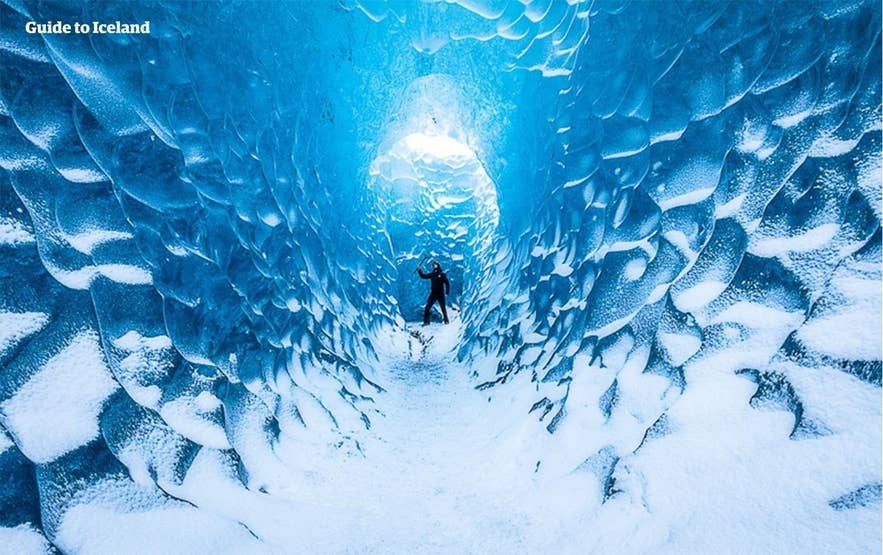
Winter is the best season to visit the natural ice caves in Iceland. Ice cave tours run from October to April. The Crystal Blue Ice Cave tour is one of the most popular options and is cheaper than private tours due to shared transport.
South Coast travelers may prefer the Katla Ice Cave tour, which runs all year and works well as a shorter day trip. If you are based in Reykjavik, the Into the Glacier Ice Cave Tour on Langjokull is another accessible option that avoids long overnight stays.
If you want to combine glacier experiences with winter highlights, a 6-day northern lights adventure package includes ice caving, sightseeing, and northern lights tours in one itinerary.
Visit Waterfalls and Black Sand Beaches of the South Coast
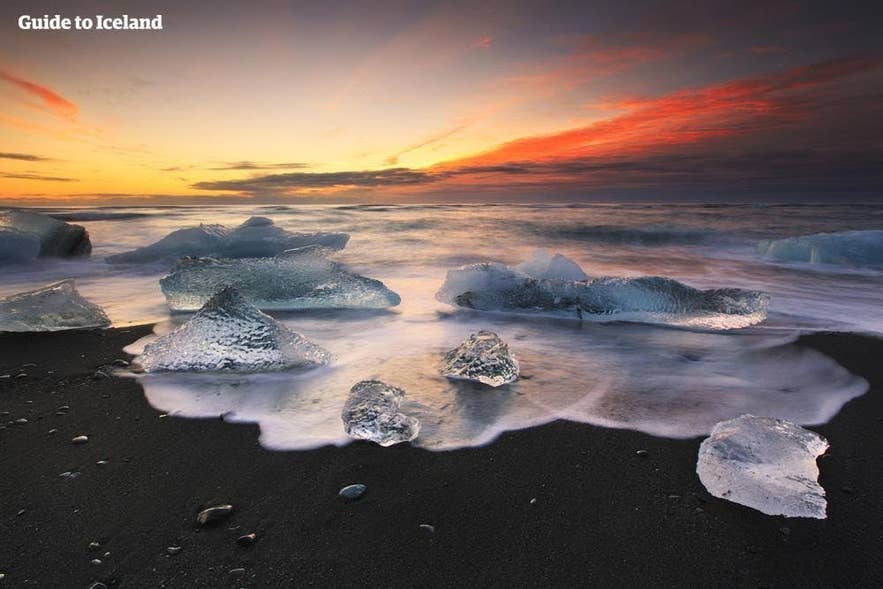
One of the best things to do in Iceland is exploring the South Coast, where many iconic sights are completely free to visit. Waterfalls like Seljalandsfoss, Skogafoss, and Reynisfjara Black Sand Beach do not require entry fees.
While the sites are free, parking fees can add up at each stop, so a guided South Coast tour can help save on parking costs while also including an expert guide. A 6-day northern lights self-drive South Coast tour with ice caving is another budget option, while combining major sights in one itinerary.
Discover the Natural Wonders of the Golden Circle
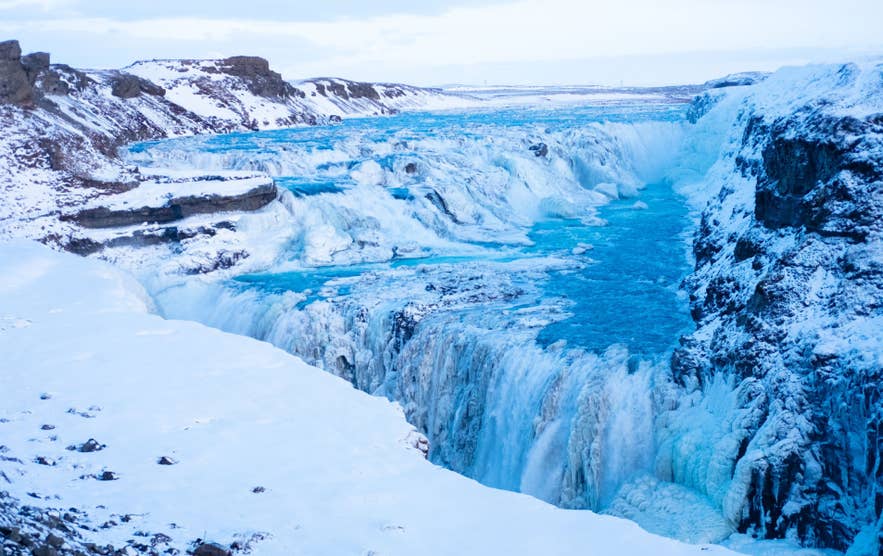
The Golden Circle is one of the most affordable ways to see Iceland’s top natural attractions in a single day. It includes Thingvellir National Park, the Geysir Geothermal Area, and Gullfoss Waterfall, all of which are free to visit with no entry fees.
While you can drive it yourself, guided Golden Circle tours are still widely used because they simplify logistics, provide transport between stops, and offer useful local insights. One of the cheapest ways to explore this route is the Golden Circle and Kerid Crater bus tour from Reykjavik.
Explore Reykjavik Landmarks
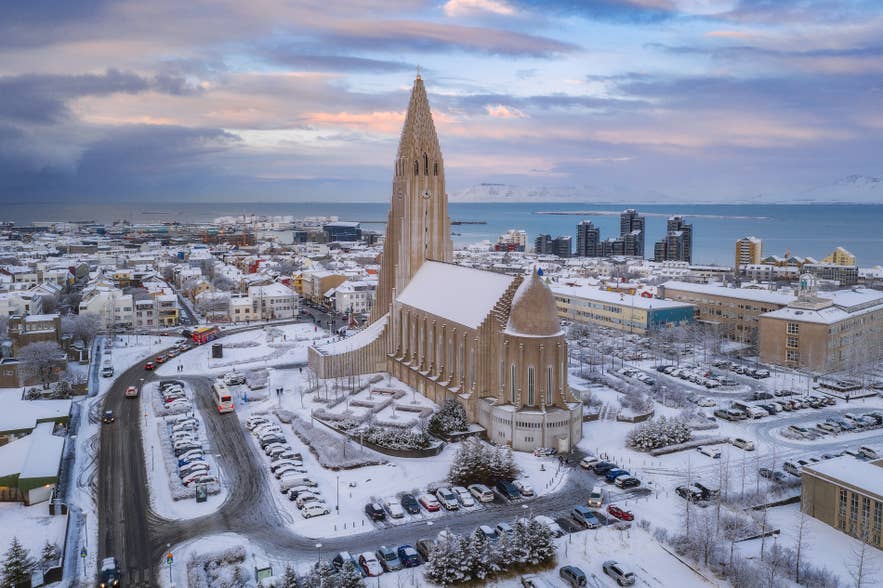 Reykjavik is one of the easiest places to explore in Iceland on a budget. There are plenty of free things to do around the city, like visiting the Hallgrimskirkja Church, Harpa Concert Hall, and the Old Harbor.
The city also works as a convenient base for day tours in Iceland to the Golden Circle, South Coast, and Snaefellsnes Peninsula, making it a practical starting point for most Iceland itineraries.
A good way to save even more is the 24-hour Reykjavik City Card, which includes free entry to several museums, galleries, and geothermal pools. It also covers unlimited bus travel in the Reykjavik capital area. You get discounts on selected shops, tours, and services.
Soak in Hot Springs and Geothermal Pools in Iceland
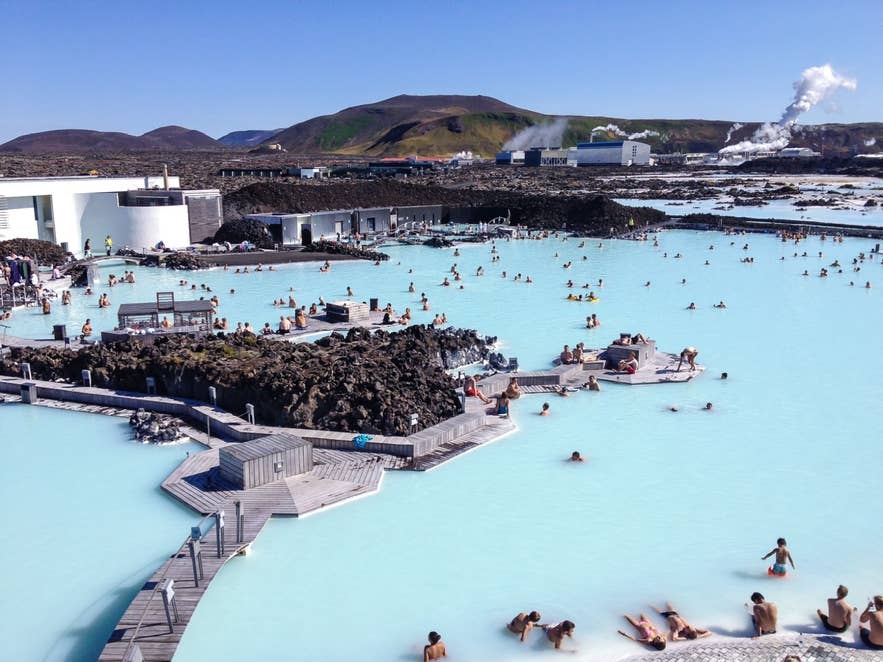
Hot springs in Iceland are one of the cheapest ways to experience the country year-round. Natural pools like Reykjadalur Hot Spring are completely free to visit, with only a scenic hike required to reach the warm river valley.
For another budget-friendly option, Reykjavik’s geothermal pools offer hot tubs, steam rooms, and heated outdoor pools at a fraction of the cost of larger spas. They are also popular with travelers, ranking as the third-most-mentioned bathing option in our study of the most recommended hot springs in Iceland
The Blue Lagoon is more expensive, but the Comfort Ticket is the cheapest entry option. Travelers with limited time often choose a 5-day winter package with Blue Lagoon entry and ice caving and guided northern lights hunting, helping simplify winter logistics.
Try Hiking in Iceland
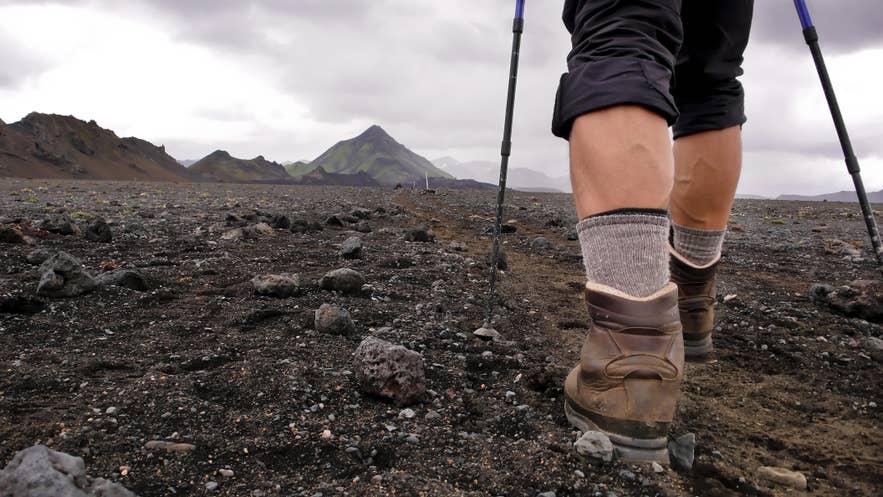 Hiking is one of the cheap activities in Iceland, as most trails are completely free and open to the public. During the shoulder season, lower-altitude hikes are still accessible, although conditions can be muddy, wet, or lightly snow-covered, so proper footwear is important.
Early September is a particularly good time for hiking in Iceland, with stable conditions and fewer crowds. Easy low-altitude hikes include Reykjadalur Hot Spring Valley, the Glymur Waterfall trail, and Svartifoss in Skaftafell, all offering rewarding scenery.
Go on a River Rafting Excursion

River rafting in Iceland is a must-do during the warmer off-season months, especially from late spring (May) to early autumn (September), when glacier-fed rivers are at their fullest from snowmelt. This creates stronger flows, better rapids, and ideal conditions for rafting.
Many river rafting tours in Iceland include gear and expert guides, making them a good-value adventure for budget-conscious travelers. Popular options include the Hvita River in South Iceland and the East Glacial River in North Iceland. If you prefer something gentler, the family-friendly river rafting tour in North Iceland is a great option for beginners.
7 Hidden Costs in Iceland (And How to Avoid Them)
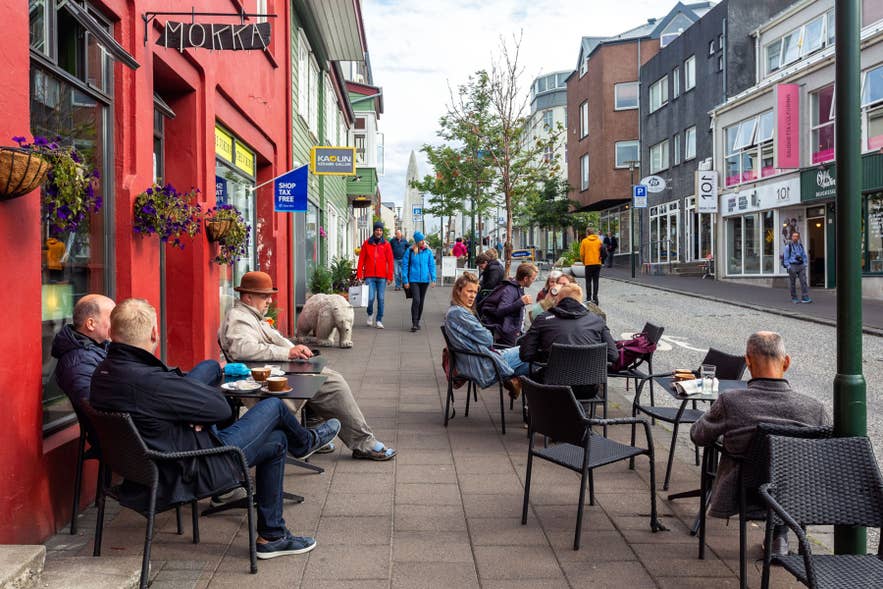 Many travelers end up overspending on tourist traps when visiting Iceland, but knowing them in advance can help you explore on a budget without missing out on experiences.
-
Bottled Water: Icelandic tap water is some of the purest in the world, so there’s no need to buy bottled water. Bring a reusable bottle and refill it as you travel.
-
Alcohol: Alcohol is heavily taxed in Iceland and only sold at state-run Vinbudin stores. If you plan to buy it, the cheapest option is at the duty-free shop at Keflavik Airport.
-
Dining Out: Eating out is one of the highest daily costs in Iceland. Three mid-range restaurant meals cost 77 to 92 USD (9,400 to 11,200 ISK) per person per day, according to our study of food prices in Iceland. Cooking every meal with groceries from Bonus or Kronan costs 15 to 20 USD (1,800 to 2,400 ISK) a day instead.
-
Tipping Culture: Tipping is not expected in Iceland. You can leave a tip for great service, but it is never required.
-
Gas Prices: Fuel costs can add up quickly on road trips. Using local discount or membership fuel cards from major stations can help reduce costs, especially on longer drives around the Ring Road.
-
Parking fees: Many popular attractions charge parking fees. Payments are usually made via machines or parking apps, so always check signage before leaving your car.
-
Rental car penalties: Unpaid parking fees are often linked directly to your rental vehicle and can result in additional charges from the rental company. Always pay on time to avoid unexpected costs.
Best Ways to Save Money on Your Iceland Trip
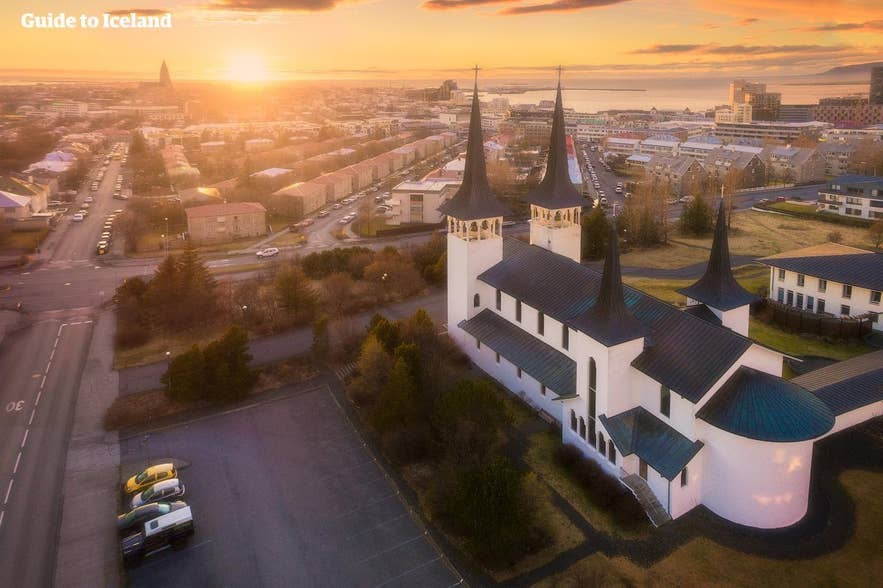 Choosing the right time to visit is one of the biggest ways to save money in Iceland, along with your travel style.
-
Take advantage of free attractions: Many of Iceland’s most spectacular sights cost nothing: Skogafoss and Seljalandsfoss Waterfalls, the Reykjanes Peninsula lava fields, countless geothermal hot springs, and miles of hiking trails.
-
Know your happy hours: Reykjavik’s bar scene can be pricey, but knowing the best happy hours in Reykjavik can significantly reduce what you spend on evenings out.
-
Use cheap bus tours: If you’re staying in or near Reykjavik, cheap bus tours in Iceland are a cost-effective alternative to renting a car for each excursion.
-
Rent a car: Splitting a cheap rental car across 2–4 people reduces per-person transport costs. Remember to factor in Iceland’s road charge of 6.95 ISK per kilometer, which applies to gas and electric vehicles, and can add to overall driving costs.
-
Book a vacation package or combo tours: Bundling flights, accommodation, and activities is almost always cheaper than booking each element separately.
-
Check Iceland tour deals and discounts: Discounted tours offer savings on specific products. Tour prices in general stay almost the same all year.
-
Tax-free (VAT refund): Non-residents of Iceland can claim VAT refunds on purchases over ISK 12,000 per receipt. Keep original receipts, attach them to a completed tax-free form, and ensure it is signed by the retailer.
-
Join the Guide to Iceland VIP Club: Members get access to exclusive offers and discounts on tours and activities year-round, which can be especially useful if you’re visiting during peak months.
Is There a Worst Time to Visit Iceland

For travelers with a reasonable budget, there is no worst time to visit Iceland. The festive atmosphere of December, the culture and music festivals in Iceland in June and July, or the first northern lights sightings of September in Iceland.
For budget-conscious travelers, however, there are clear periods to avoid. December costs more than any other month from October to May. The festive season includes Iceland’s public holidays on December 24th, 25th, 26th, and 31st, as well as January 1st.
The summer high season (June–August) is also the most expensive period overall. Demand for car rentals, tours, and accommodation peaks sharply, availability drops, and last-minute bookings become difficult even outside major towns. If you travel in summer, planning well ahead is essential.
How to Plan Your Cheapest Iceland Trip
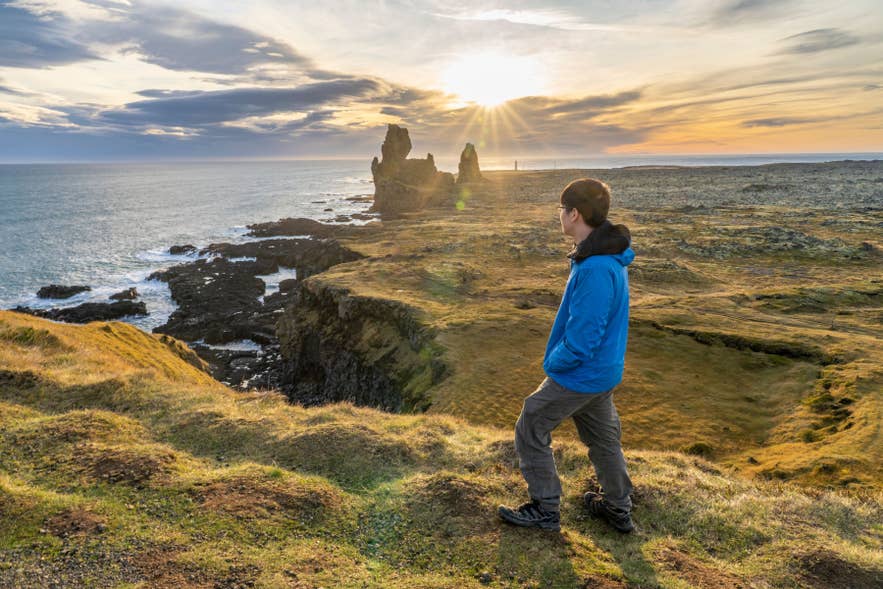 The cheapest time to go to Iceland is April, followed closely by January and November. January has the lowest flight prices, and April has the lowest hotel prices. January and November also fall in the northern lights season, and natural ice cave tours run from October to April.
For a better balance of price, weather, and accessibility, the months of April to May and September to October are also excellent times to visit Iceland. You’ll find lower prices than in summer, fewer crowds, and still have access to many tours and top attractions in Iceland.
Ultimately, the best time to visit Iceland depends on your priorities, but traveling outside peak summer is the key to traveling to Iceland on a budget.
What do you think the best time to go to Iceland is? Did you find any ways to save money on flights to Iceland? How cheap did you find off-peak travel in Iceland? Let us know in the comment section below.

Hi, I’m Richard. I lived in Iceland for a decade, during which I traveled the country extensively and worked as a guide for several leading travel companies. I’m passionate about writing and sharing the best travel experiences Iceland has to offer so visitors can discover and enjoy the magic of this incredible country just like I did.