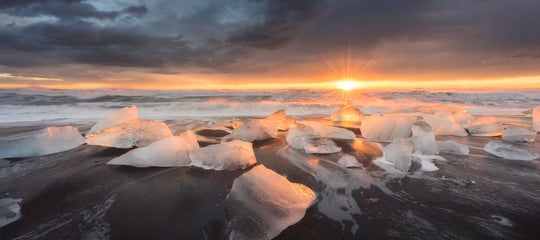
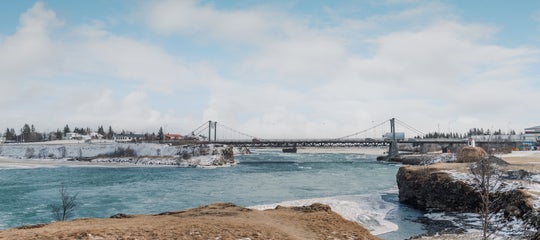
Iceland in November sits right at the edge of winter. Snow starts appearing on the mountains, ice begins forming along the roads, and northern lights excursions become increasingly popular in the lengthening darkness. Renting a car this month and exploring on self-drive tours is cheaper than in summer, and the roads are far quieter.
You'll also find better rates on accommodations in Iceland, making November one of the most budget-friendly months to visit. Our study of self-drive tour prices by month agrees, ranking November sixth cheapest of the 12, at a median of 24,749 ISK per person per day.
Why You Can Trust Our Content
Guide to Iceland is the most trusted travel platform in Iceland, helping millions of visitors each year. All our content is written and reviewed by local experts who are deeply familiar with Iceland. You can count on us for accurate, up-to-date, and trustworthy travel advice.
Driving in Iceland in November requires preparation. Roads can turn icy, especially in the mornings and evenings. The weather shifts quickly from clear to snow. Daylight shrinks from eight hours early in the month to just five by the end. These conditions are manageable when you know what to expect and how to handle them.
This guide has the practical information you need to drive confidently during winter trips to Iceland.
- Learn about How to Drive Safely in Iceland
Iceland Weather in November
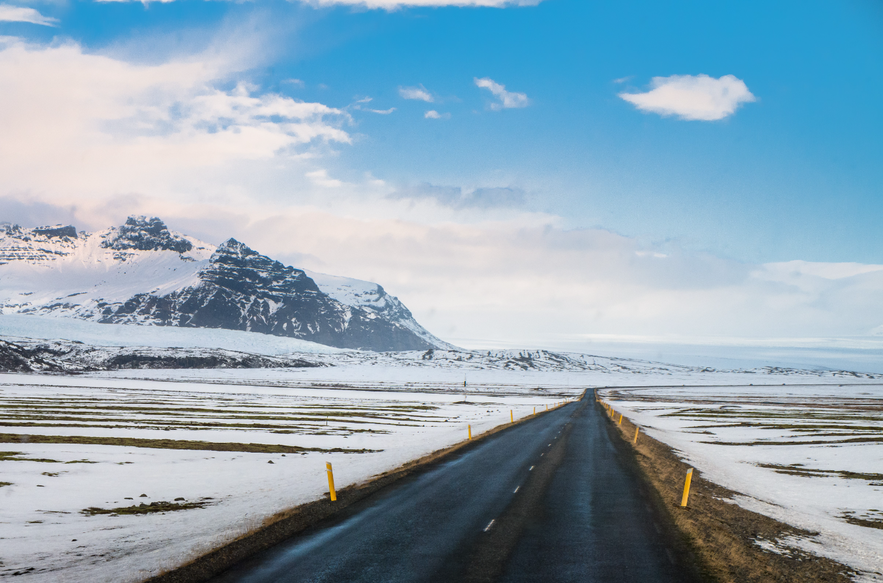
The weather in Iceland is unpredictable. There's a local saying that if you don't like the weather, just wait five minutes. You can start your day with clear skies and end up driving through a snowstorm by afternoon. Or the reverse.
Weather forecasts in Iceland in November are notoriously challenging to predict more than a day or two out. What looks fine on Monday might be completely different by Wednesday. This is why you need to check the weather forecast every single morning before you drive.
Average Temperature in Iceland in November
Iceland's weather in November typically ranges from 30 F to 39 F (-1 C to 4 C), though coastal areas tend to stay slightly milder than inland regions. The cold can feel worse than the numbers suggest. Iceland's cold is damp, and when you add wind chill, that 36 F (2 C) day can feel significantly colder.
Northern Iceland gets colder than the south, and the interior regions are always chillier than the coast. Reykjavik often feels warmer than the surrounding areas, but that's mostly because buildings block the wind, not because the temperature is actually different.
Daylight Hours in Iceland in November
Daylight shrinks fast in Iceland in November. On November 1, you get about eight hours with sunrise around 9:10 AM and sunset around 5:10 PM. By November 30, you're down to five hours with sunrise around 10:45 AM and sunset around 3:55 PM. From November 16 onward, the sun doesn't rise until after 10 AM.
This matters when you're driving in Iceland in November. You need to plan your driving routes and sightseeing around these hours. Daylight affects your daily route, not your trip length.
Our study on how many days you need in Iceland found that seven to eight days suit the Ring Road, while a full winter self-drive trip works better with around ten days for greater flexibility in changing weather and road conditions.
Most people start their days before sunrise to maximize usable daylight. The long, dark nights, however, are perfect for northern lights hunting when skies cooperate.
Iceland doesn't observe daylight saving time, so the clock stays consistent all year.
Rain and Snow in Iceland in November
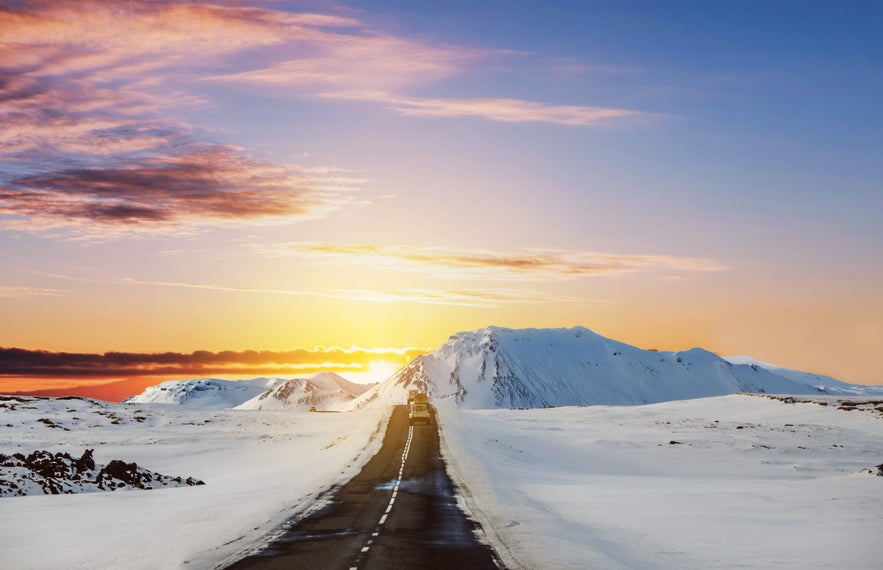 The weather in Iceland in November brings about 3.4 inches (8.7 cm) of snow on average. That's six times more than October but still only half of what December gets. You'll also see rain, sleet, and sometimes hail. Expect around 10 rainy days spread throughout the month, with roughly 3.1 inches (80mm) of total precipitation.
The mix of precipitation types makes road conditions tricky. Morning ice melts by afternoon, then refreezes at night. Rain can turn to snow as you drive inland or gain elevation. Snow in the north doesn't mean snow in the south.
Understanding Weather Warnings When Driving in Iceland in November
Iceland uses a color-coded weather warning system to help travelers stay informed about changing conditions. The Icelandic Meteorological Office issues these alerts, which are especially useful during November, when snow, wind, and ice are common.
Here’s what each color means:
-
Yellow warning: Conditions may be challenging and could affect travel plans. This can include strong winds, icy roads, or reduced visibility. Stay updated on the forecast and be ready to adjust your schedule if needed.
-
Orange warning: Weather conditions are considered dangerous, with very strong winds or heavy snow making driving unsafe. It’s best to postpone your trip and wait until conditions improve.
-
Red warning: This is the most serious level and is rare. It signals extreme weather that poses significant risks to safety. Stay indoors and avoid all travel until authorities confirm it’s safe.
Even when no warning has been issued, it’s still important to assess the situation for yourself. Iceland’s weather in November can change quickly, and some areas may be difficult to drive through even without an alert. If conditions look bad, it’s wiser to wait for clearer weather.
Hotels, tour companies, and car rental providers in Iceland follow these warnings closely and often adjust schedules to keep travelers safe. Paying attention to official updates helps you avoid unnecessary risks and enjoy your trip with confidence.
What to Pack for Driving in Iceland in November
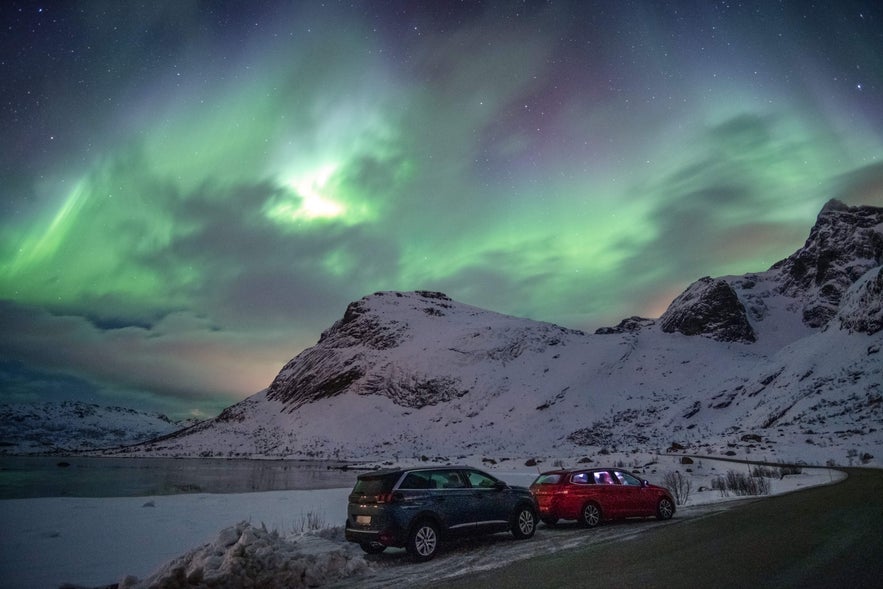 A good rule of thumb for what to pack in Iceland is to focus on warmth, waterproofing, and practicality. Choose sturdy, insulated boots with excellent grip, and wear moisture-wicking thermal layers under a fleece or wool mid-layer. Top it off with a waterproof and windproof jacket and pants to handle snow, sleet, and rain.
Bring winter accessories like gloves, a hat, and a neck gaiter, and always keep a spare set of dry items in your car. Limited daylight hours also make a flashlight or headlamp handy for early starts or late arrivals.
And since weather delays are common, it’s smart to carry snacks, water, and emergency car gear like an ice scraper, blanket, and power bank so you’re ready for anything the road or the weather throws at you. On longer winter drives, many travelers end up relying on gas stations for fuel, supplies, and a quick warm-up before continuing.
Road Conditions in Iceland in November
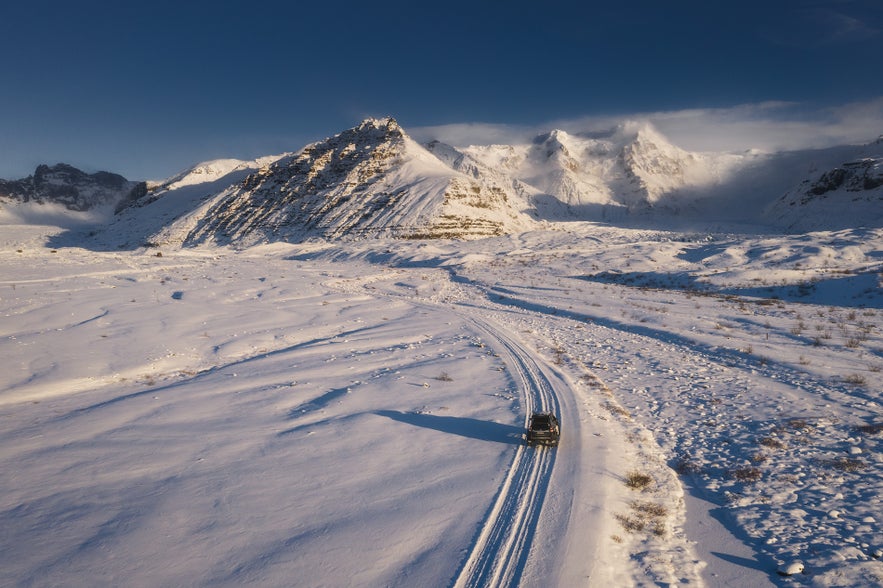 Iceland's road conditions in November change throughout the month and vary by region. Early November roads are generally more manageable with lighter snow accumulation. By late November, snow builds up and ice becomes more persistent. What's accessible along the South Coast might require more caution in the north.
The transition happens quickly. Roads that were mostly clear one week can turn icy and snow-covered the next.
Which Roads Stay Open in Iceland in November
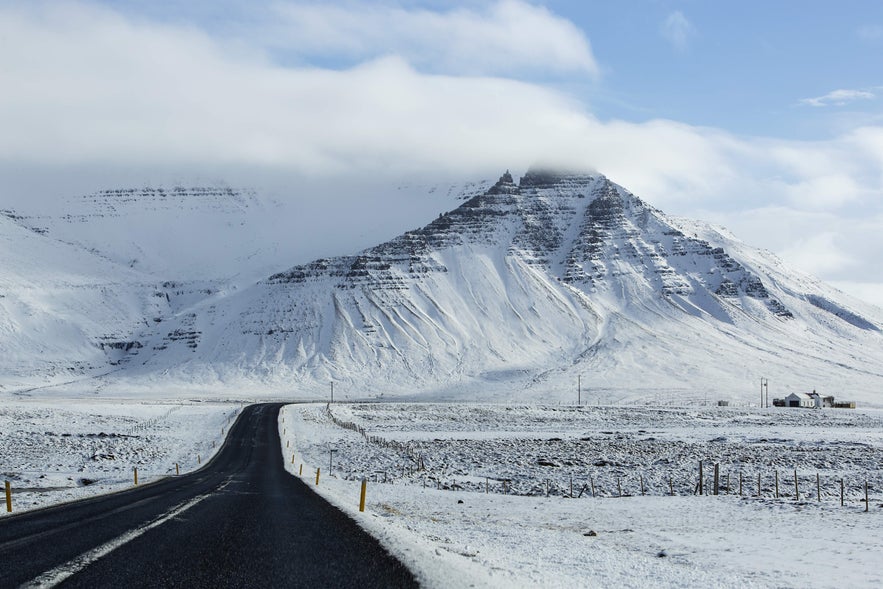
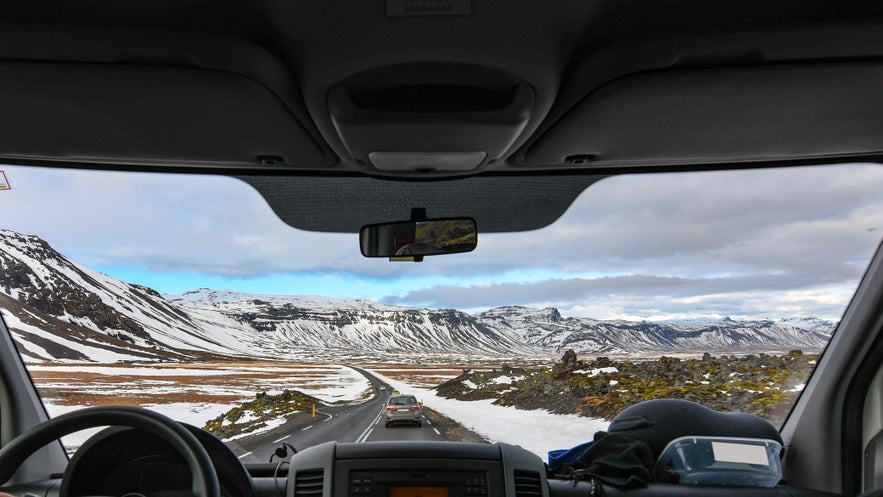
The Ring Road (Route 1) is Iceland's main highway and stays open year-round. Road crews regularly plow and maintain it, making it the most reliable route for driving in Iceland in November. However, the Ring Road still gets icy, especially in the mornings and evenings. Northern sections are typically more challenging than southern sections.
Main paved roads connecting major towns generally remain accessible. These include roads to popular destinations like the Golden Circle, South Coast attractions, and the Snaefellsnes Peninsula. Maintenance keeps them drivable, but conditions still require caution.
F-roads and Highland routes are completely closed by November. These mountain roads close for winter, usually by mid-October, and don't reopen until late spring or summer. Driving on closed roads is illegal. You'll face hefty fines if caught, and your rental insurance won't cover any damage.
Remote gravel roads in areas like the Westfjords often become impassable or are officially closed due to snow and ice. Even if not officially closed, many aren't plowed or maintained during winter.
Helpful Planning Links for Driving in Iceland in November
 These are the tools you'll use every day when driving in Iceland in November. Bookmark them before your trip and check them each morning before heading out.
-
umferdin.is/road.is: Check real-time road conditions, live webcams, and any closures or icy sections before every drive. This is the go-to source for up-to-date information on Iceland’s road network.
-
vedur.is: The official Icelandic Meteorological Office site, providing accurate weather forecasts, wind warnings, and alerts for all regions.
-
safetravel.is: Offers travel alerts, safety tips, and emergency information tailored to visitors. You can also download the SafeTravel app, which allows you to register your travel plans, receive alerts, and stay updated on road and weather conditions throughout your trip.
-
112 Iceland App: A free emergency app that shares your GPS location with Icelandic emergency services if you need help. It’s an essential safety tool for anyone driving or exploring outside populated areas.
Best Rental Car for Driving in Iceland in November
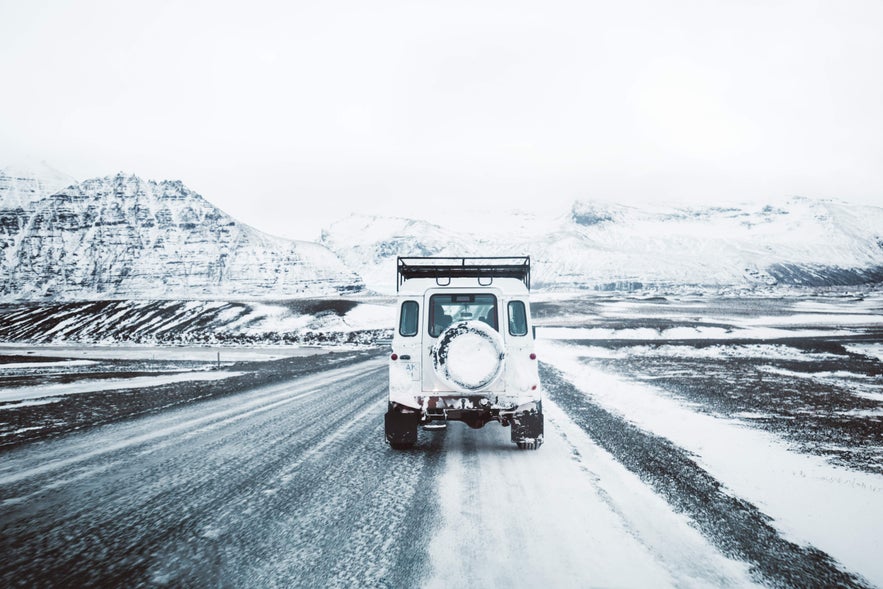 A 4x4 or all-wheel-drive (AWD) vehicle is the right choice for driving in Iceland in November. November roads get icy and snowy, and having four-wheel drive gives you better traction and control in these conditions.
Four-wheel drive helps you get moving on snow and ice, but it doesn't help you stop or turn. All vehicles, whether 4x4 or not, have the same limitations when braking on ice. The advantage of 4x4 is getting unstuck and maintaining momentum on slippery uphill sections, not preventing slides or shortening stopping distance.
Essential vehicle features when driving in Iceland in November:
-
Winter tires: Standard on all rentals from November onward. You'll get either studded or high-quality studless tires. Both work well.
-
Ground clearance: Higher vehicles handle snow buildup better and reduce the chance of getting stuck.
-
Heated seats and mirrors: Make long drives more comfortable. Common but worth confirming.
-
Safety tech: Anti-lock Braking System (ABS), Traction Control System (TCS), and Electronic Stability Control (ESC) help maintain control on slippery roads.
-
GPS and connectivity: Built-in GPS, offline maps, or in-car Wi-Fi for navigation in areas with patchy signal.
Download offline maps before your trip as backup, since Iceland's roads can be remote.
Car Rental Insurance for Driving in Iceland in November
Standard Collision Damage Waiver (CDW) covers basic damage, but November conditions create specific risks worth additional coverage:
-
Gravel Protection: Covers damage from flying gravel on unpaved roads
-
Sand and Ash Protection: Covers volcanic debris damage
-
Wind damage coverage: Wind can literally rip car doors off hinges in Iceland
Off-road driving is illegal and never covered by any insurance. Make sure to stay on marked roads.
Essential Rules and Regulations for Driving in Iceland in November
-
Headlights: Keep headlights on at all times, day and night, year‑round.
-
Speed limits: 31 mph (50 km/h) in towns, 50 mph (80 km/h) on rural gravel roads, and 56 mph (90 km/h) on paved rural roads. Always slow down for conditions.
-
Wind safety: High winds are common. Park facing into the wind and hold the car doors firmly when opening.
-
Road closures: Never drive on a road signed “Lokað” (closed). Respect all warnings and detours.
-
Off‑road driving: Off‑road driving is illegal. Stay on marked roads and tracks.
-
Emergency: Call 112 if you need police, fire, or ambulance. The free “112 Iceland” app can send your GPS location if you need help.
The Best Routes to Explore When Driving in Iceland in November
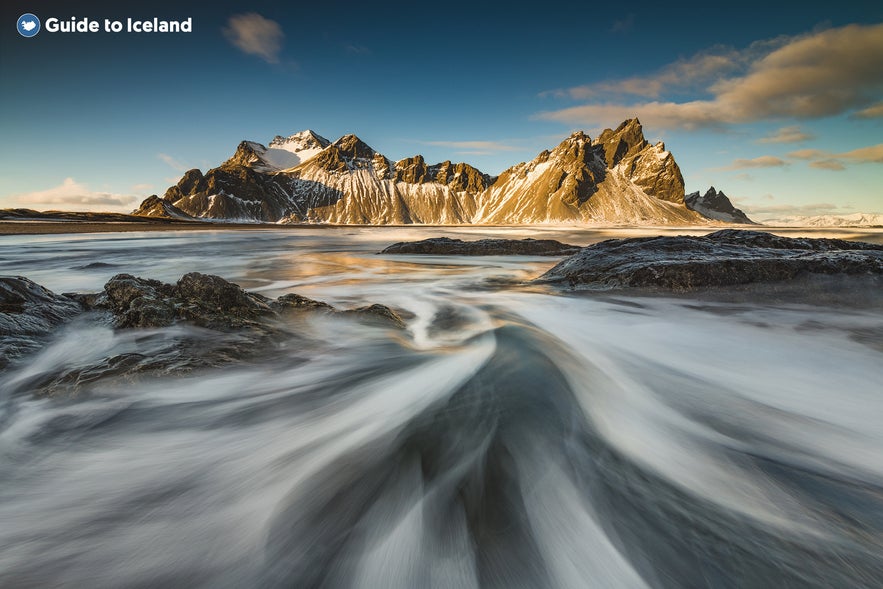 Iceland is full of wonders and natural sights that you can visit in November. Everything ranging from majestic waterfalls, beautiful glaciers, lava tunnels, charming towns, and even wildlife is available to experience during this month. Despite the colder weather and shorter daylight hours, November is still a great option for a road trip to Iceland!
Here are some of the best routes to consider while planning your road trip in Iceland in November.
The Golden Circle
This route showcases Iceland’s most famous natural wonders, from geothermal landscapes and waterfalls to glaciers and volcanic beaches. It follows a well-maintained stretch of southern Iceland, making it one of the most accessible and rewarding winter self-drive routes.
You can go on a 5-day self-drive tour of the Golden Circle and Jokulsarlon Glacier Lagoon. The route begins at Keflavik International Airport, passing through the Reykjanes Peninsula’s lava fields and geothermal areas before reaching Reykjavik.
The next day is spent driving the Golden Circle, visiting Thingvellir National Park, Geysir Geothermal Area, Gullfoss Waterfall, and Kerid Crater.
From there, the road leads east along the South Coast, where you’ll stop at Seljalandsfoss, Gljufrabui, and Skogafoss waterfalls, then visit Reynisfjara Black Sand Beach and the village of Vik.
The drive continues toward Vatnajokull National Park, with stops at Skaftafell, Jokulsarlon Glacier Lagoon, and Diamond Beach. Here, you can explore ice caves and glacier views before returning to Reykjavik and ending the journey near Keflavik.
The South Coast
The South Coast is where Iceland’s wild beauty unfolds in full scale: a land of towering waterfalls, massive glaciers, black beaches, and endless views of the Atlantic. It stretches from the lowlands near Selfoss all the way to the glacier lagoons beneath Vatnajokull, showcasing Iceland’s rawest and most cinematic landscapes.
The drive is straightforward, following the southern stretch of the Ring Road, though winter brings snow, icy patches, and strong coastal winds. Still, with proper planning, this is one of Iceland’s most rewarding road trips.
On a 6-day self-drive tour along the South Coast with ice caving, you’ll go far beyond the Golden Circle, tracing the length of Iceland’s southern frontier. After picking up your car at Keflavik Airport, the route begins with a short drive to Reykjavik before heading east past the waterfalls of Seljalandsfoss and Skogafoss, the glaciers of Solheimajokull and Myrdalsjokull, and the volcanic cliffs and sea stacks at Reynisfjara Black Sand Beach near Vik.
Continuing through the vast glacial plains of Skaftafell and Vatnajokull National Park, the journey reaches Jokulsarlon Glacier Lagoon and Diamond Beach, where you can explore blue ice caves or join a glacier hike. The return leg follows the same coastal route back to Reykjavik, offering another chance to chase the northern lights or relax in the city before heading home.
The Snaefellsnes Peninsula
The Snaefellsnes Peninsula is often called “Iceland in Miniature” because it captures nearly every type of landscape the country is known for in one region. You’ll find volcanoes, glaciers, lava fields, cliffs, black and golden beaches, and small fishing villages, all within easy driving distance.
Driving on Snaefellsnes in November is usually manageable, but icy stretches and strong winds are common, especially along the coast. Most main roads remain open, allowing you to explore the peninsula’s stunning highlights at a relaxed pace.
The peninsula’s highlights include Snaefellsjokull National Park, Kirkjufell Mountain and Kirkjufellsfoss Waterfall, and the coastal villages of Arnarstapi and Hellnar linked by a scenic walking path. You can also visit the Budakirkja Church, Djupalonssandur Beach, Ytri Tunga Beach, and the dramatic Londrangar Cliffs rising from the sea.
Compact yet remarkably diverse, Snaefellsnes is one of the best routes to explore when driving in Iceland in November, offering a perfect mix of accessibility, variety, and winter beauty.
North Iceland
North Iceland captures the country’s wilder, more remote side, where snow-covered peaks meet steaming geothermal fields and deep fjords cut into the Arctic landscape. It’s a region of contrast and solitude, offering some of the best northern lights viewing in the country thanks to its long, dark nights and low light pollution.
In November, the area feels quiet and untamed, with icy roads winding past frozen waterfalls and volcanic plains that still breathe with geothermal life.
During a 7-day self-drive tour through North Iceland, the journey begins in Reykjavik and heads north through the scenic countryside toward Akureyri, Iceland’s northern capital. From there, the road leads to the Lake Myvatn region, famous for its lava formations at Dimmuborgir, the colorful geothermal fields at Namaskard, and the tranquil Earth Lagoon Myvatn.
You’ll also explore highlights like Godafoss, the “Waterfall of the Gods,” and Dettifoss, Europe’s most powerful waterfall. Along the way, you can stop in Husavik for whale watching, hike through volcanic craters, or visit the Grjotagja Lava Cave.
On your return south, the drive passes through the coastal plains of northwest Iceland, where you’ll see the striking Hvitserkur Sea Stack rising from the ocean before looping back toward Reykjavik to complete your winter adventure.
Ring Road
The Ring Road, or Route 1, circles the entire island and connects nearly all of Iceland’s most spectacular attractions. It’s the country’s main highway and the best way to experience Iceland’s glaciers, waterfalls, volcanoes, and rugged coastlines in one trip.
In November, the Ring Road remains open, but conditions can change quickly. Expect icy sections, strong winds, and shorter daylight hours, especially in the north and east. The route is well-maintained year-round, but drivers should check weather and road updates daily and allow extra time for each leg of the trip.
A good route to follow is the 11-day northern lights self-drive tour of the complete Ring Road and Snaefellsnes Peninsula, which follows the loop clockwise for a smoother winter drive and fewer crowds.
Starting and ending at Keflavik Airport, the journey begins with a drive to Reykjavik before continuing to the Snaefellsnes Peninsula, where highlights include Ytri Tunga Beach, Budir Church, and Kirkjufell Mountain.
From there, the route heads north to Akureyri and Lake Myvatn, passing natural wonders such as Godafoss, Dettifoss, and the geothermal fields at Namafjall. You’ll then travel through the Eastfjords to the fishing towns of Seydisfjordur and Djupivogur, before reaching Jokulsarlon Glacier Lagoon and Diamond Beach in the southeast.
Continuing west, you’ll explore Skaftafell Nature Reserve, Skogafoss, and Seljalandsfoss waterfalls along the South Coast, with optional stops at Reynisfjara Black Sand Beach and Katla Ice Cave.
The trip ends with a visit to the Golden Circle, including Thingvellir National Park, Geysir, and Gullfoss Waterfall, before returning to Reykjavik and the Reykjanes Peninsula for departure.
This route offers a safe, well-paced way to experience Iceland’s top sights in November, balancing manageable winter driving with incredible scenery and plenty of cozy stops along the way.
- Read more about Iceland's best locations
- Explore the most popular activities and tours in November in Iceland
Final Thoughts on Driving in Iceland in November
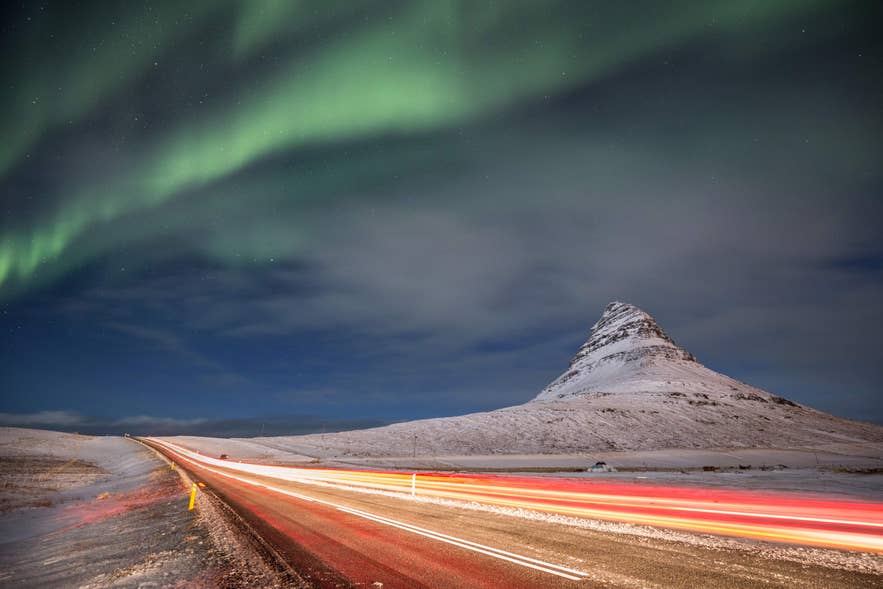 Driving in Iceland in November is as much about preparation as it is about adventure. The roads demand respect, but they also lead to some of the most breathtaking winter scenery you’ll ever experience. With the right vehicle, a flexible plan, and daily weather checks, you can safely explore glaciers, waterfalls, lava fields, and remote coastal towns while avoiding the heavy summer crowds.
This month sits at the perfect intersection of affordability and atmosphere: fewer tourists, lower prices, and endless opportunities to see Iceland’s natural beauty under snow and the northern lights. Whether you follow the full Ring Road, focus on the South Coast, or take a detour through Snaefellsnes, November rewards those who travel smart and stay curious.
Plan carefully, drive mindfully, and let Iceland’s winter landscapes do the rest.
11月在冰岛自驾安全吗?
11月在冰岛自驾需要四驱车(4x4)吗?
11月可以在冰岛开环岛公路吗?
11月冰岛哪些道路会关闭?
11月在冰岛自驾需要冬季轮胎吗?
11月在冰岛自驾会不会太危险?
11月如何查看冰岛路况?
11月在冰岛自驾时能看到极光吗?
Ready to start driving in Iceland in November? Which route are you most excited to explore? Share your plans in the comments below!

I’m Icelandic but grew up abroad, and returned as an adult to reconnect with my roots. I have a soft spot for scenic drives, peaceful geothermal spas, and the little details that turn a good trip into a great one. Here, I share all my best tips with you!